—by Jacob DeGroot
Finding the Opportunity
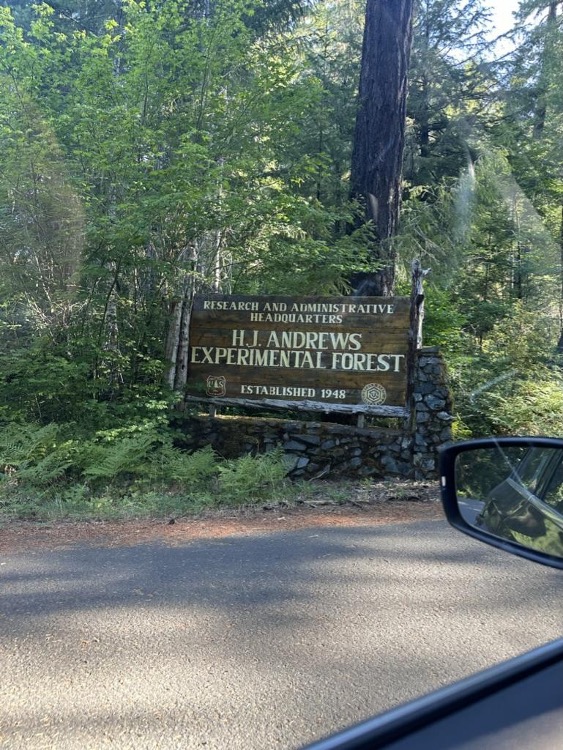
I first learned about the Authentic Research Experiences for Teachers (ARETs) program during the 2022–2023 school year through a colleague. After applying and being accepted, I had regular virtual meetings with program coordinators and scientists—including Kari O’Connell, Ivan Arismendi, Joe LaManna, and Amanda Morrison—along with other teachers in my cohort to plan for the experience.
Through these early meetings, we were introduced to the goals of the Long Term Ecological Research (LTER) Network and the specific purpose of ARETs: to embed teachers in authentic, long-term scientific research and help bridge that work back into classroom instruction.
Authentic Research Experience
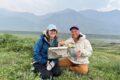
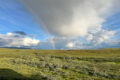
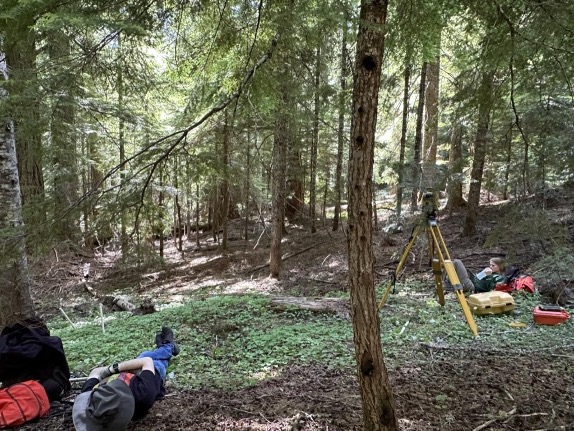
During the summer of 2023, I spent four weeks living and working at the H.J. Andrews Experimental Forest in Oregon with two research teams: the “plant crew,” led by Dr. Joe LaManna (Marquette University), and the “bug crew,” led by Dr. Ivan Arismendi (Oregon State University). Alongside graduate students, technicians, and other teachers, I contributed to long-term ecological research focused on systematic data collection.
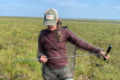
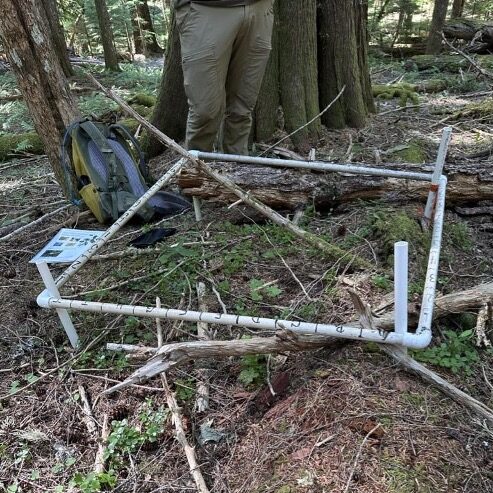
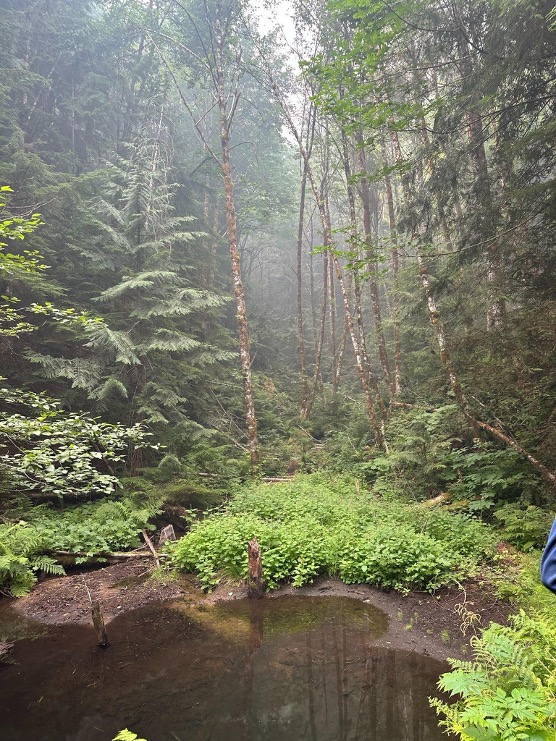
With the plant crew, our work included mapping trees within permanent plots, documenting understory plant communities, and supporting transplant experiments in which young trees are moved between low- and high-elevation sites. With the bug crew, we collected emergent aquatic insects at varying distances from streams and across different elevations, contributing to datasets that examine interactions between stream ecosystems and surrounding forests.
Fire, Disruption, and Research Opportunity
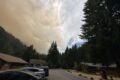
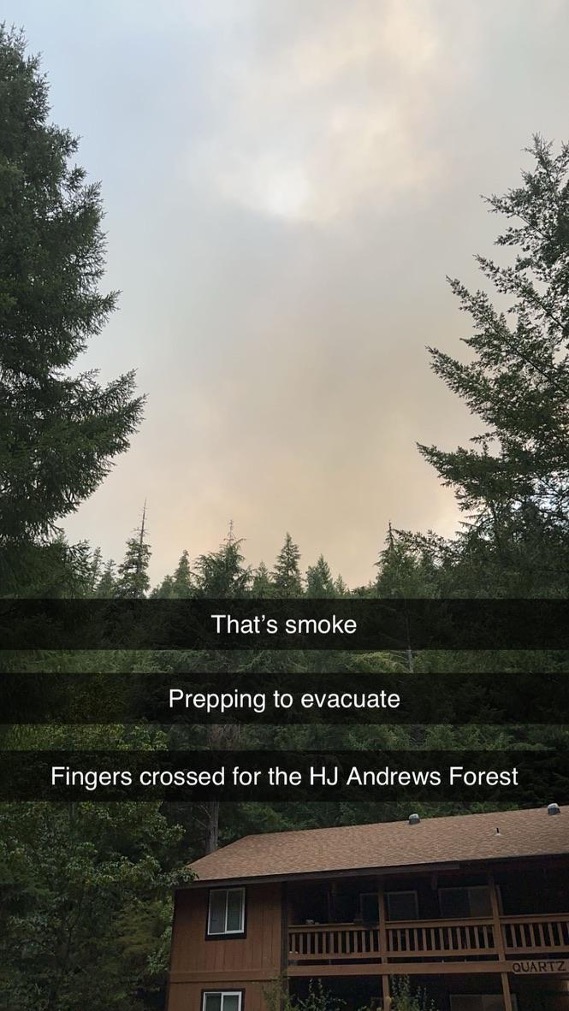
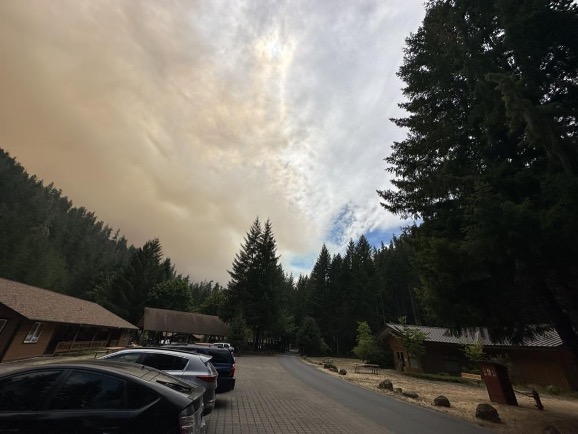
Shortly after the teachers left the H.J. Andrews in 2023, the Lookout Fire reached much of the forest, derailing many ongoing experiments and disrupting long-standing research plots. While this was an unfortunate loss for some studies, it also created a unique research opportunity. Because the Andrews maintains decades of pre-fire data, scientists are now able to compare conditions before and after the burn to study forest recovery and ecological change over time. In the summer of 2024, our second research season was disrupted almost immediately when the Ore Fire forced an evacuation on the first day teachers were in the field, prompting a rapid shift away from on-site work and into laboratory and greenhouse research at Oregon State University.
Research Continuity During the Second Summer
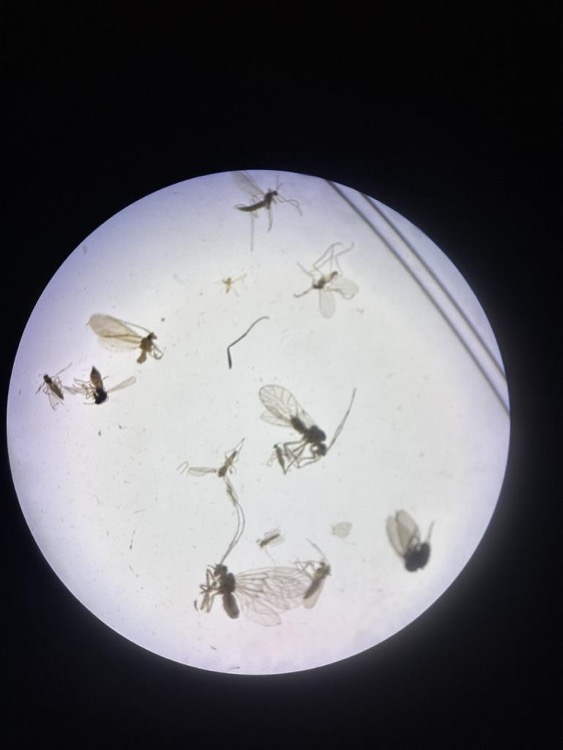
Rather than ending the research experience in 2024, the program pivoted quickly, and we relocated to Oregon State University to continue working with the same research teams in laboratory and greenhouse settings.
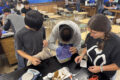
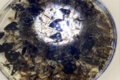
Working with Dr. Arismendi’s team, we categorized aquatic insects that had been collected near streams during the previous summer’s fieldwork at the H.J. Andrews. These specimens were identified by order, including Plecoptera, Ephemeroptera, and Trichoptera. In all honesty, I never got the hang of identification, but it gave me an appreciation for the work that goes into it.
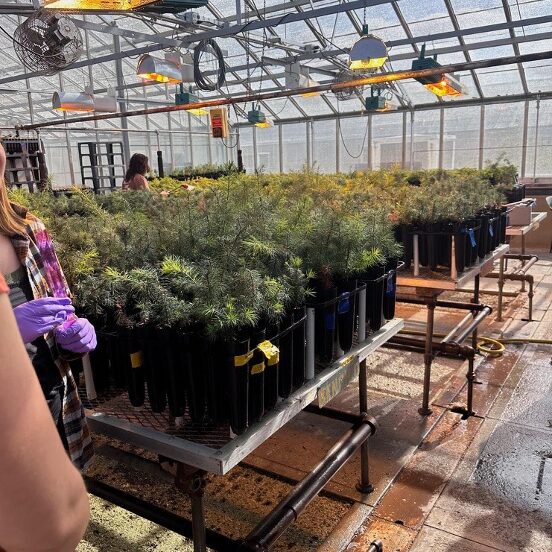
With Dr. LaManna’s team, we worked extensively in university greenhouses measuring young trees that are part of a long-term transplant study across elevation gradients. These trees are grown and maintained at Oregon State University as a planned component of the research. During the evacuation, teachers and field technicians assisted with greenhouse data collection, providing an opportunity to support the lab-based side of the study while fieldwork was paused.
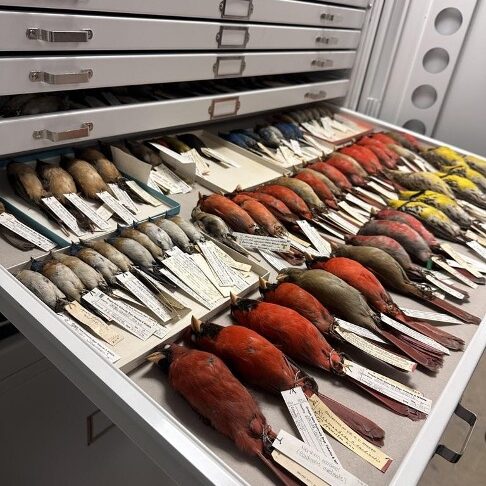
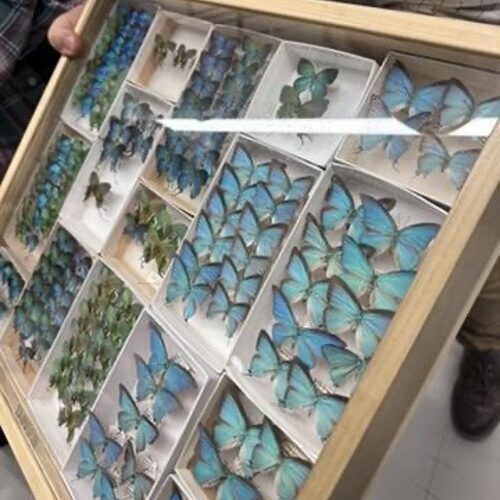
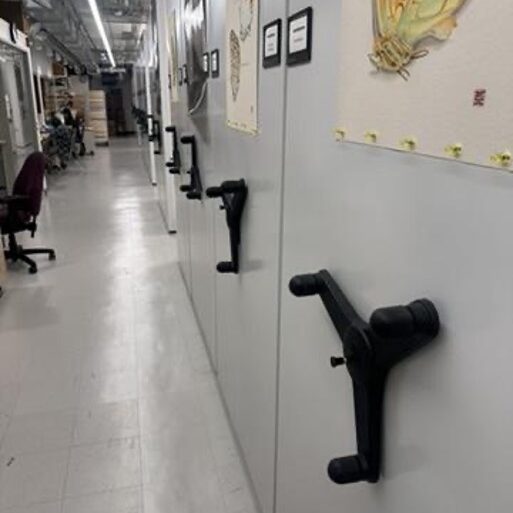
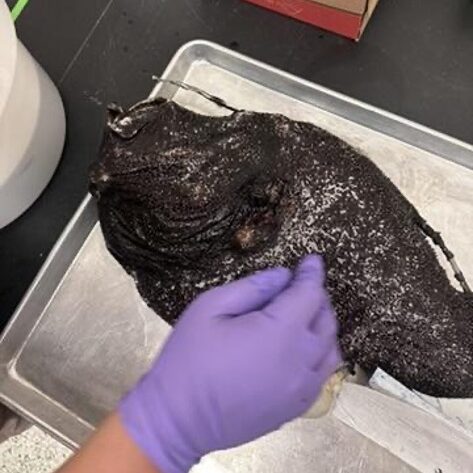
In addition to continuing our research, we were given the opportunity to tour several major biological specimen repositories at Oregon State University. These included extensive insect, bird, and fish collections used to support ecological and biological research. Scientists and collection managers were generous with their time, offering a behind-the-scenes look at how specimens are preserved and categorized. These tours were an unexpected and memorable part of the experience and provided insight into the scale and care required to maintain large biological collections.
Collaboration and Professional Learning
Collaboration was a central component of my ARETs experience. While at the Andrews, I attended weekly seminars where scientists shared ongoing research across disciplines. I also collaborated extensively with other teachers within my cohort and across LTER sites, including UC Santa Barbara and the Arctic LTER.
During the second summer, all Cohort 1 teachers participated in Datapalooza, hosted at UC Santa Barbara. This week-long program focused on data literacy and instructional strategies, including the use of Data Nuggets—classroom resources designed to help students analyze authentic scientific datasets. Datapalooza also provided opportunities to compare lesson plans and learn from science and education experts.
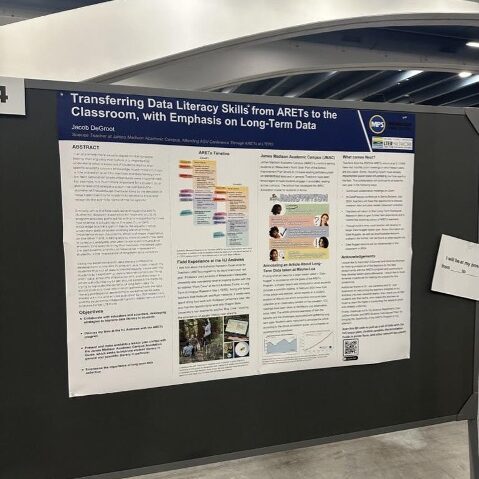
I also attended the American Geophysical Union (AGU) Conference in San Francisco in December 2023, where I presented an ARETs-developed lesson as a poster. In November 2025, I attended the National Science Teachers Association (NSTA) National Conference in Minneapolis, which focused specifically on classroom practice and instructional resources.
Impact on My Classroom
The ARETs experience reshaped how I think about teaching science by emphasizing the importance of long-term data and the role of sites like LTERs in making that data possible. I now design lessons where students analyze real datasets, compare short-term and long-term trends, and consider how disruptions—such as wildfire or limited field access—can influence scientific conclusions.
Through professional connections made at NSTA and other ARETs-supported events, I was also able to bring tangible resources back to my school, including dissection specimens, mineral sample kits, and an engineering lab kit. In the coming year, my students will participate in a virtual visit with an engineer, connecting classroom learning with real-world scientific practice.
Finally, support from the ARETs program helped fund an outdoor greenhouse at my school, creating a dedicated space for students to investigate plant growth, environmental variables, and long-term change over time. In addition to supporting Earth and environmental science concepts, the greenhouse is equipped with tools such as an insolation monitor and temperature sensors, allowing students to explore physics applications related to energy transfer, radiation, and heat. This space extends classroom learning beyond short, isolated labs and gives students repeated, real-world opportunities to collect and analyze data.
Acknowledgements
I am grateful to the scientists, coordinators, and educators who made this experience possible, including the ARETs program staff, researchers at the H.J. Andrews Experimental Forest and Oregon State University, and the teachers who collaborated throughout both summers. I would like to thank Dr. LaManna and Dr. Arismendi for welcoming teachers into their research and generously sharing their time and resources. Finally, I want to thank Amanda Morrison and Kari O’Connell, for all of their fantastic, friendly, and essential coordination. They made all of this possible.
Read more about participant experiences with the Authentic Research Experiences for Teachers @ LTERs (ARETS) and access the lesson plans they developed below.
Traci Kennedy
...toward the end of our unit, students were able to create their own graphs, and understand the implications of the...
Stephanie Dolan
This experience reignited my passion for working with students. Witnessing curiosity, perseverance, and the realities of field research firsthand reinforced...
Rebecca Hawk
This experience changed my teaching life! Now we learn about insects, collect insects, and identify insects...We even make our own...
Rachel Rigenhagen
...not only were we able to help contribute to the data being collected but also bring that experience back to...
Paige Shelton
I will have my students work with science data more frequently in our classroom. Whether it is collecting data in...
Melissa Moore
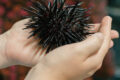
My students tested whether urchins kept indoors or outdoors consumed more kelp. The students got a taste of real, locally-relevant...
Kim Leslie
I fell in love with Amanda Young’s circle graph examples today. I saw them as awesome gateways for students to...
Jacob DeGroot
I translated these experiences into classroom lessons centered on data literacy, long-term datasets, and the realities of scientific research.
Emily Chittick
The biggest impact of this experience is in how I teach the process of science. While I was at the...
Claire Gunder
...what was so special about this program was that it introduced me and my students to a place in the...
Caroline McCoy
My two years as an ARETS Fellow profoundly changed how my students and I talk about science, approach a question,...