
In This Issue: A User’s Guide to the 2009 LTER All Scientists Meeting; LNO renewal nearly complete; How the Arctic LTER helped me prepare to be a mom; LTER Network embarks on Strategic Communication planning; Final NEON Observatory Design released; Science and Policy: Washington, D.C., in the Obama era; NSF announces ULTRA-Ex; Cedar Creek holds first Citizen Science Field Day; Andrews LTER partners ONRE; Warmer climate causing increase in tree mortality; Luquillo LTER studying recent environmental changes; Reinvigorating the LTER Climate Committee; Harvard Forest hosts workshop with an eye to the future; Culturally relevant ecology; Graduate students take stock of year’s activities; SEEDS holds 4th Annual Leadership Meeting at Sevilleta; Online course to teach science of Climate Change; Tracking wind in the McMurdo Dry Valleys; Measuring history…but which history?; Virtual Water Cooler keeps LTER Information Managers in the loop; Recommendations for LTER remote sensing data and coordination efforts; New tools for MODIS data; EcoTrends project update; Establishing hurricane network in the Greater Carribbean Region; ILTER meeting fosters collaboration between Northern Patagonia and northwestern United States.
Top Stories
Natural Areas Conference Call for Proposals

Request for Synthesis Proposals 2026
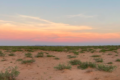
Hunting for Biocrusts: The living skin of the earth
Our second summer, we were not evacuated!

2026 Synthesis Skills Course Opens

Site Exchanges 2026

Permafrost and Passion: How Two Summers in the Arctic Reignited My Love for Teaching
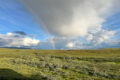
Bringing seeds of wonder and curiosity from the Arctic Circle to a Minnesota Classroom
LTER Community Call: Site Exchanges
The Forest Data Jam theme is "water and climate"