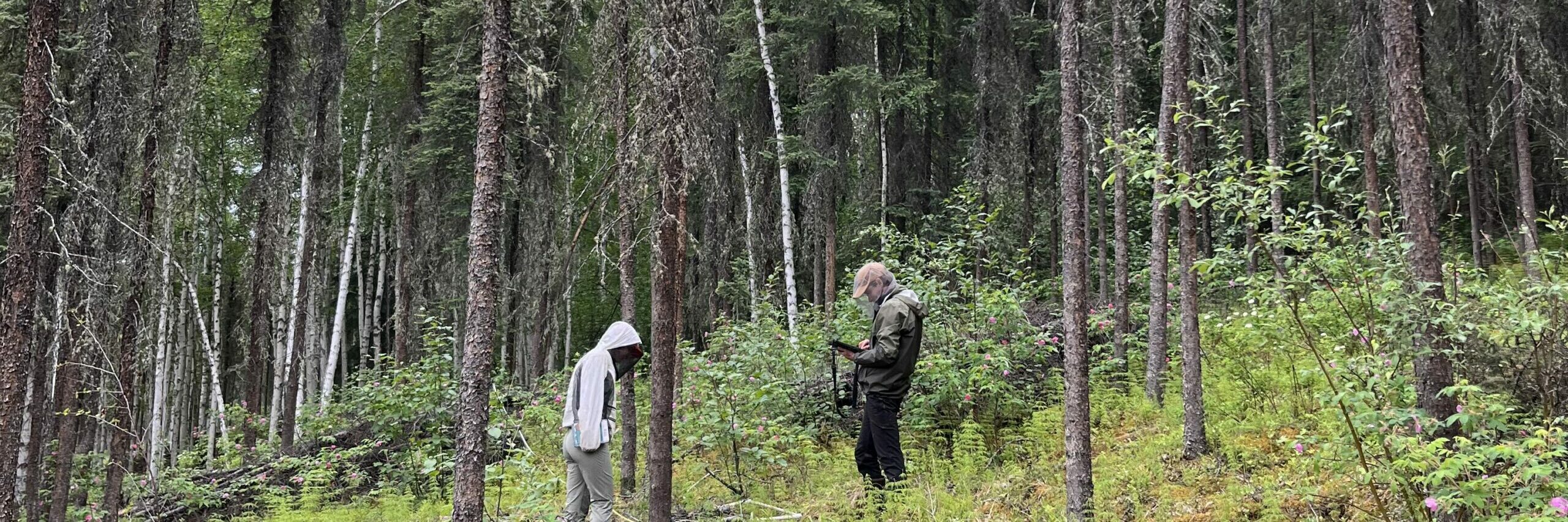
Field safety is a crucial component to broadening representation in field-based science. Field work can be a rewarding and formative experience, but it also has unique challenges including long hours, isolation, and potentially hazardous conditions and wildlife.
In this toolkit we provide information and resources related to safety in the field including relevant training, documentation, reporting, and readings that help us understand the variety of barriers and challenges in the field.
ADVANCEing FieldSafety Toolkit will be developed to include checklists, examples, fillable documents, and implementation guides that field teams can use to set codes of conduct, codes of ethics, surveys, reporting instruments, and structures to facilitate quick response in the field for different field contexts (e.g., undergraduate field campaign, ship-based research, tent-based field research). Each course module will have its unique Toolkit that will contain module-specific resources, such as the one mentioned above, and additional readings.
Module two from the ADVANCEing FieldSafety Toolkit shares a variety of tools for field leaders and participants to increase communication, and facilitate healthy dialog in a field setting.
This study presents a qualitative analysis of field researchers’ experiences based on interviews, focusing on both positive and negative aspects of conducting academic research in the field. It identifies two main issues: unclear professional behavior guidelines at field sites and difficulties accessing professional resources and opportunities. Respondents reported a lack of consequences for breaches of conduct, such as harassment and assault, which negatively impacted their careers. The study introduces a “traffic light” model to illustrate the effects of varying clarity and access on field experiences. The findings build on previous survey results and suggest that fieldsite directors and principal investigators should adopt specific policies and procedures to enhance fieldwork experiences and promote equal opportunities.
A comprehensive checklist that seeks to make fieldwork a “positive, generative, collective, and valuable experience for all participants.” Written by authors with a wide range of backgrounds and field experiences, this document stresses inclusivity over each step in the fieldwork process, from planning to the return and debrief.
A website from NAGT with resources and recommendations on field safety including being prepared for emergencies, reducing risk, and protecting yourself and your department when taking students out into the field.
This document is intended to educate staff and students about toilet stops and menstruation in the field. This document also contains a set of recommendations for field work and field trips with the aim of minimizing stress and anxiety for all parties.