—by Caroline McCoy
We turned away from the charred trees and the Blue River and drove up the winding road to the HJ Andrews Experimental Forest. Moving into our shared residence with returning and first-year ARETS, orientation to the Field station, and walking through our responsibilities in support of PhD student Tatiana Latorre and Associate Professor Ivan Arismendi, and exploring the site kicked off our first day. The second day, Tati drove us to Lookout Creek and walked us through the malaise traps and the three different sites we would be collecting from and monitoring insect emergence. Walking into our residence when we returned, we heard the news of a fire burning just north of the HJ Andrews. Overhead helicopters flew water from the reservoir to the burn, smoke rose behind the field station and large pieces of ash were carried by the wind as we packed up our car following evacuation orders.
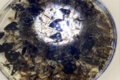
A few days later we found ourselves in Nash Hall on the OSU campus learning how to sort and order previously collected insects for the study. We also met extraordinary professors, scientists and researchers who were willing to share their area of study with us and take us behind the scenes of the various collections. There was so much to take back into the classroom. Even though the hands-on research wasn’t in the HJ Andrews, a component of it was in the lab at OSU and I looked forward to implementing lessons rooted in my first-hand experience of this program. In particular, I shared the how and the why of science, all the steps that came before a conclusion or published paper. How to ask a question, how to collaborate, how to pivot, the search for funding, the passion for pursuing long-term studies, the pursuit of knowledge and the willingness to question your beliefs based on the data, how to think critically and to wonder out loud.
My two years as an ARETS Fellow profoundly changed how my students and I talk about science, approach a question, work together, look for evidence, and most importantly, pick up the pieces when our preconceived ideas are incorrect and comb through our data and ask another question. I am a better teacher because of all the people I met, and the hands-on experience and research I participated in. All, because I had the opportunity to be an ARETS fellow.
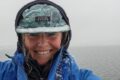
Caroline also developed a lesson plan (below) based on her experiences at the Andrews Forest LTER and a blog post titled: The Caddisfly stole my heart, describing her journey as an ARET participant and its impact in greater detail.