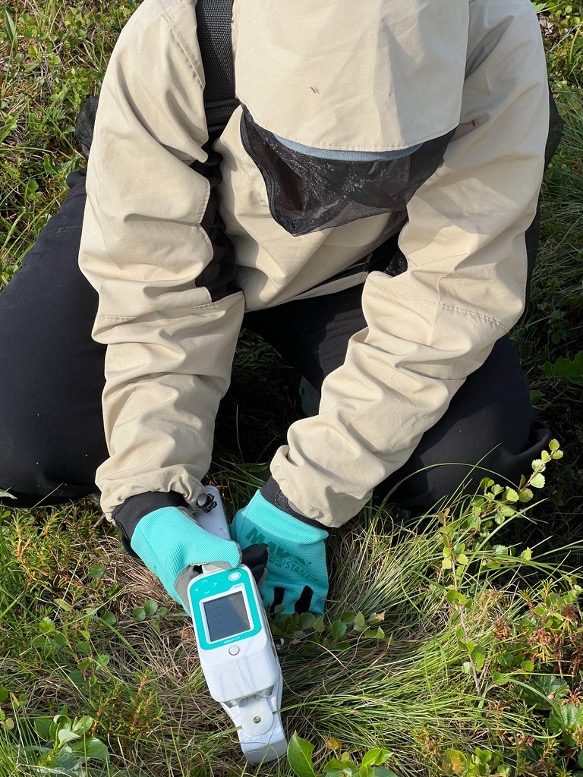
I joined the ARETs@LTER program during my first year of teaching high school biology, and I was placed at the Arctic LTER at Toolik Field Station, Alaska. I had the pleasure of visiting the LTER site during two summers for two weeks each. In the first summer, I shadowed a variety of researchers covering a breadth of topics such as pollinators in the tundra, investigations into the potential driver(s) of a phenomenon called shrubification, and naming and identifying tundra plant species. During the second summer, I focused on shadowing and assisting with Austin Allison’s research and trapping of Arctic ground squirrels. I learned a lot about Arctic ground squirrel physiology and hibernation patterns that summer, and I am currently working on writing a Data Nugget about the squirrels with my colleague, Rachel Rigenhagen.
After my first summer experience, I decided to write a new ecology curriculum for my class that centered around the phenomenon of shrubification. Toolik Field Station is located very close to Gates of the Arctic National Park, so I used that as a starting point for my students. I taught them about the conservation efforts that the U.S. government has made to protect the park, and we also discussed how Indigenous communities have been impacted. As they learned about this conservation, I introduced the definition of shrubification, which happens when woody shrubs overtake other plants such as grasses. Furthermore, we investigated some potential drivers of shrubification that were inspired from all of the research I had shadowed during my first summer: photosynthesis, permafrost thaw, resource competition, and even pollinators were all pieces of the puzzle.
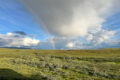
I ended the unit by connecting the concepts I had taught to shrubification in the midwestern prairie. My students had observed this happening in their lifetimes, but it was a situation that they had no name for. They could, however, recognize that it was likely an issue. I think what was so special about this program was that it introduced me and my students to a place in the world we had once considered foreign, unfamiliar, and completely abstract. It also allowed me to connect this place to our own backyard. The interconnectedness of our planet is something that I intend to continue to focus on, as I want my students to understand that even the littlest things we do to better our own community can have downstream, positive impacts on the rest of the globe.
During her time with the program, Claire also developed a lesson plan on the relationship between photosynthetic activity and shrubification, as well as a blog post describing her experiences and the impact in her classroom.