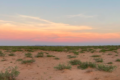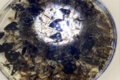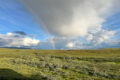
During the summers of 2024 and 2025, I participated in the ARETS LTER program at Toolik Field Station in the Alaskan Arctic Tundra. I worked alongside scientists from all over the U.S., including undergraduates from Appalachian University and advanced research teams, studying permafrost, hydrology, and wildlife ecology. I collected soil cores, monitored permafrost depth, measured water temperatures, and assisted with wildlife research.
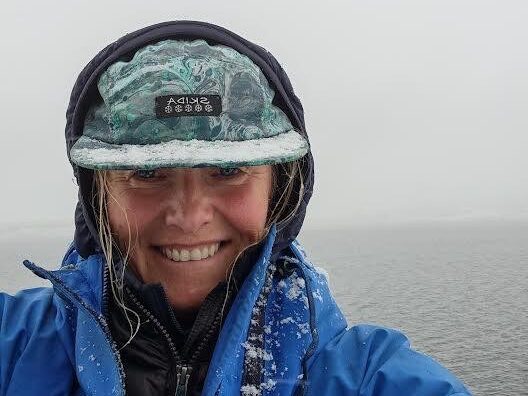
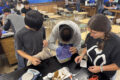
One unforgettable moment was working on the great “Pluck,” sorting roots from soil for six straight days—washing them in ice-cold water from Toolik Lake during an ice and snow storm—while the Olympics streamed in the background. It was a humorous and humbling reminder that science is often repetitive, slow, and unglamorous, but absolutely essential to discovery.
Back in the classroom, I created hands-on modules where students analyzed authentic data, modeled permafrost thaw, and explored ecological interactions. Inspired by my own fieldwork, I have had students conduct their own mini “pluck” in the schoolyard—inventorying roots, plants, and what grows around them—giving them a chance to get up close, notice patterns, and practice scientific observation right in their own environment.
This experience reignited my passion for working with students. Witnessing curiosity, perseverance, and the realities of field research firsthand reinforced inquiry-based learning, systems thinking, and connecting content to real-world science, inspiring both my teaching and my students’ engagement.
Read more about Stephanie’s time in the Arctic in her “Permafrost and Passion” blog post.
Stephanie’s lesson plan, on permafrost: