Credit: Ana Aguilar-Islas
This post is part of the LTER’s Short Stories About Long-Term Research (SSALTER) Blog, a graduate student driven blog about research, life in the field, and more. For more information, including submission guidelines, see lternet.edu/SSALTER
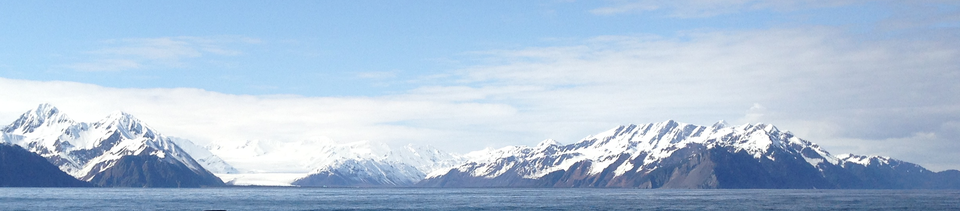
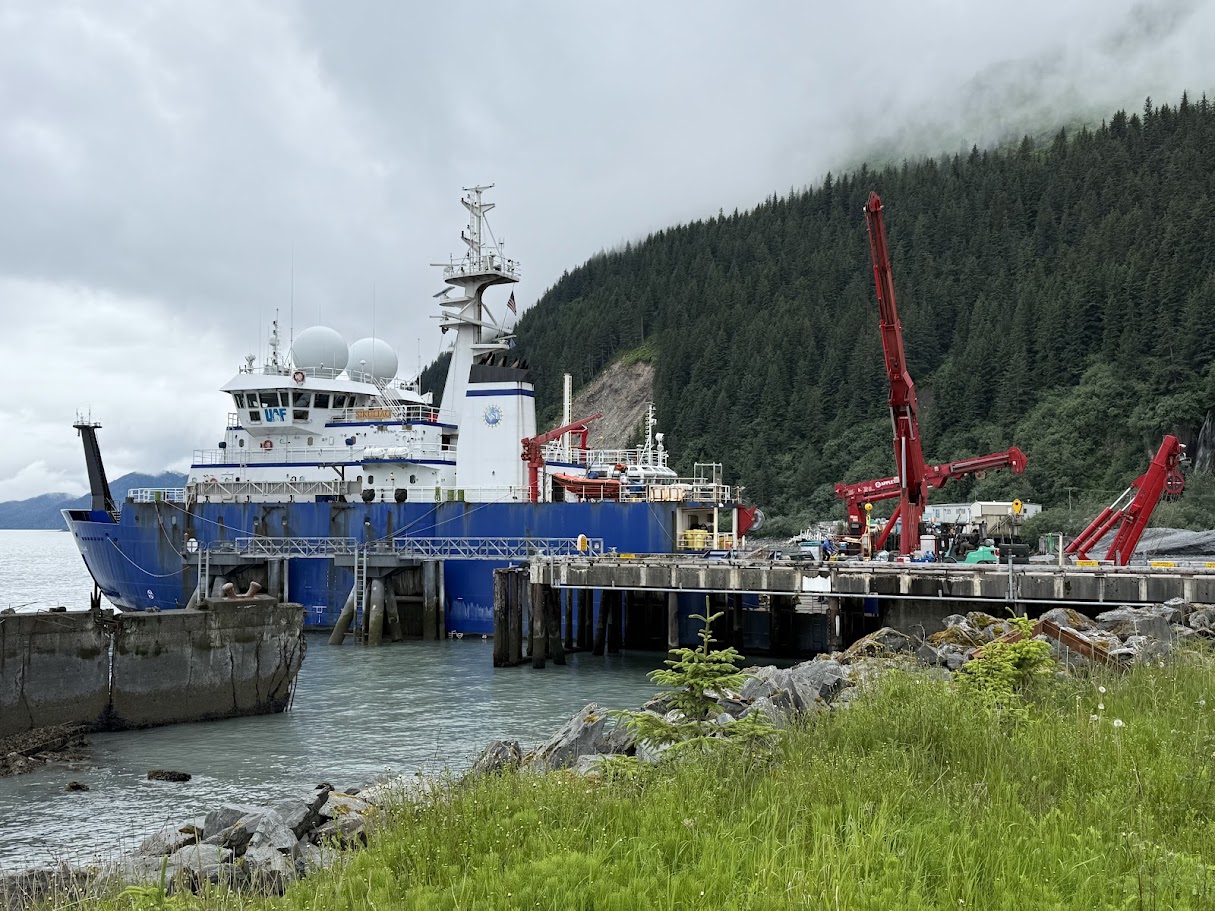
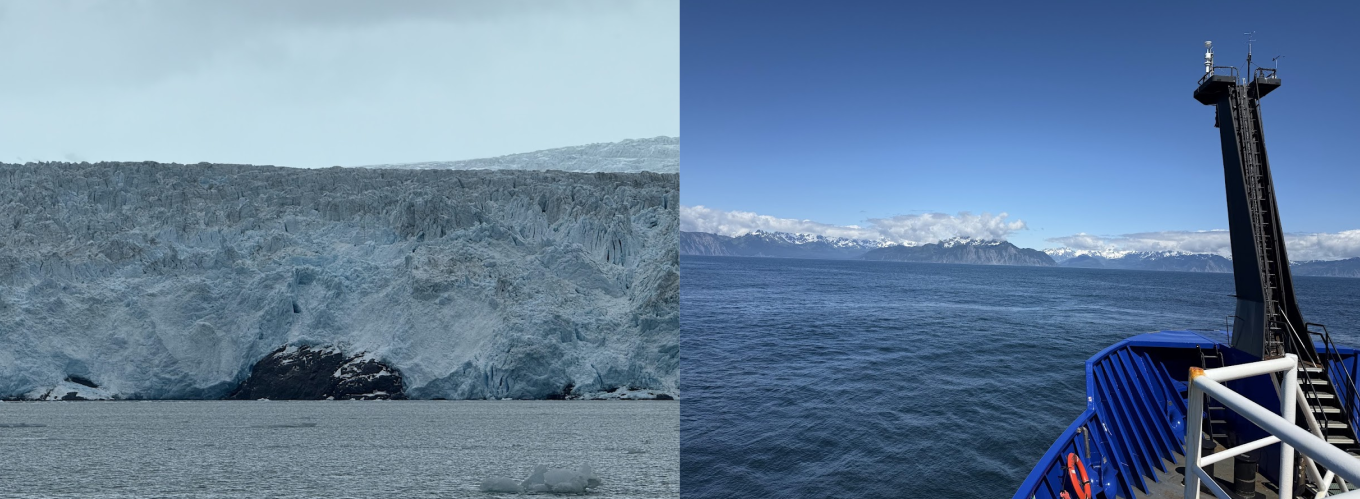
The Northern Gulf of Alaska (NGA) may appear to be a vast, gray, and rainy expanse, but beneath the surface lies a fascinating ecosystem that we at the NGA LTER have the privilege of studying. In the summer of 2025, we had the opportunity to spend 24 days at sea aboard the R/V Sikuliaq (which is the Iñupiaq word for “young sea ice”) in the NGA. We investigated how oceanic fronts impact ecosystem properties such as biological production, diversity, and nutrient cycling to understand ecosystem resilience. Spending nearly a month at sea bonds you together in such a unique way and teaches you lessons you might not have thought you needed to learn. Here, we share a few of them with you.
Credit: Ava Meier
Perspectives of a Chemical Oceanographer by Sarah Belcher:
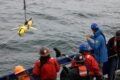
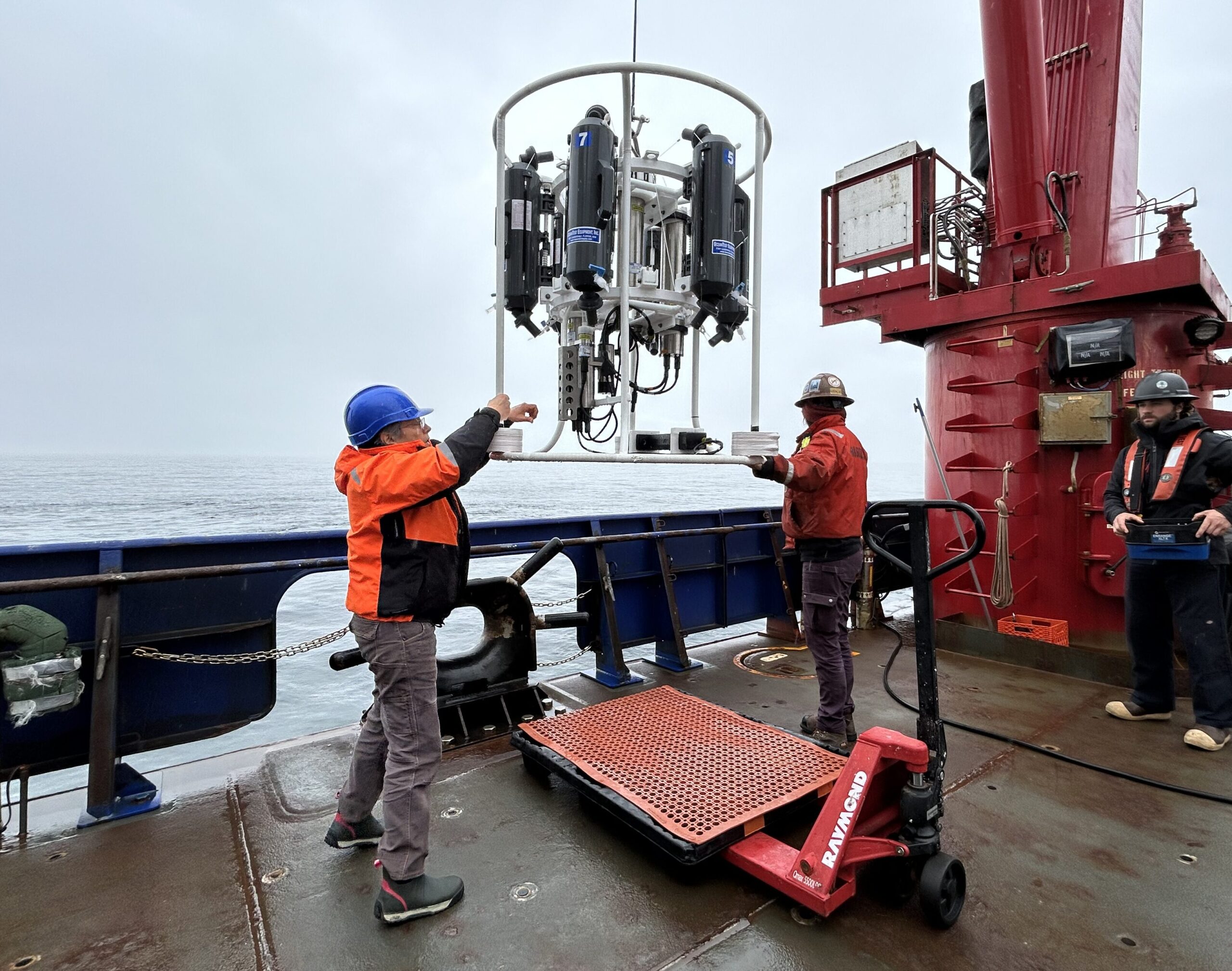
A common misconception is that an oceanographer’s field days exclusively involve diving in brightly colored coral reefs in crystal-clear waters. The reality is that in the Northern Gulf of Alaska, most of our time in the field is spent standing on the deck of a ship in the pouring rain either deploying, waiting for, or recovering instruments. With scientific operations running 24-7, long days blur into even longer nights, and it’s easy to lose track of time and to maintain any sense of a strict schedule. Exhaustion came to a head when we had what we titled the “CTD Marathon” (an instrument measuring conductivity, temperature, and depth, among other oceanic properties). This involved doing continuous CTD casts for a full tidal cycle (12 hours). Obtaining these samples came with the consequence of having the worst case of insomnia. Imagine starting your workday at 7 am, working until midnight, and then the last item on your list failing. Now imagine trying again with no luck, which leads to some troubleshooting at around 1 am, only to realize that the batteries had been dead the entire time. By the time the sun came up, I understood that an oceanographer’s work happens in the quiet, exhausting hours when persistence is everything.
Credit: Sarah Belcher
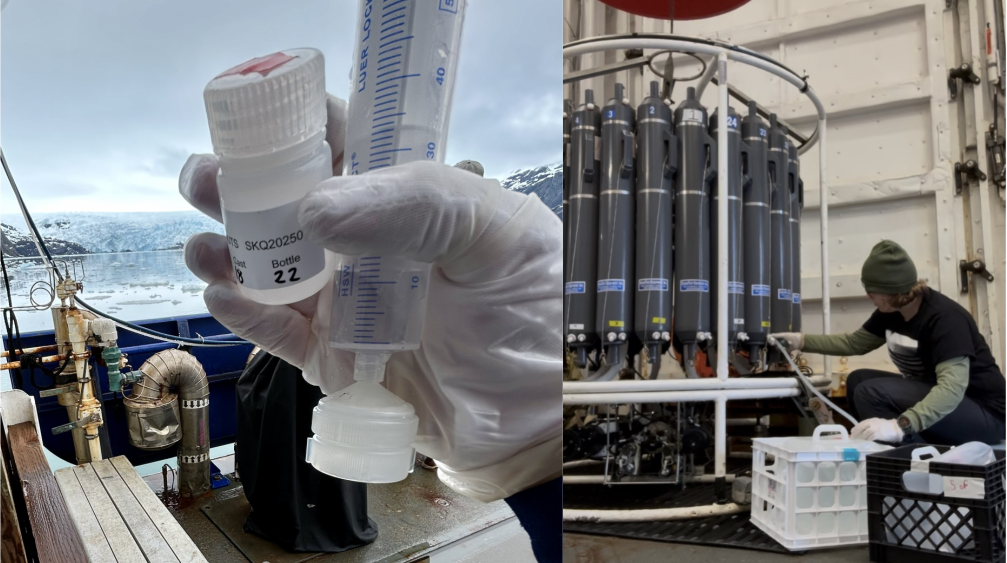
A fellow shipmate once told me that “marine science is 90% filtering things.” As someone studying nutrient cycling, I could not agree more. Over the course of 24 days, I had syringe-filtered over 300 water samples, placed them in the freezer, and then waited to return to the lab to begin analyses for phosphate (dissolved inorganic form of phosphorus). We simultaneously collected unfiltered seawater, leaving all the particles for total phosphorus analysis. At some point the motions blur together: load the syringe, push the water through, swap the filter, and repeat until your entire sense of time is measured not in hours but in how many sample bottles you have left and hope you don’t run out. (We did not run out; in fact, we had enough clean bottles to spend another 24 days sampling!) Once both the phosphate and total phosphorus concentrations are measured back in the lab, I can calculate particulate phosphorus concentration. Phosphorus is ‘sticky’ and will associate with both biological and lithogenic particles, though the strength of stickiness will be different for different particle types. Knowing how much particulate phosphorus may desorb off a particle and become phosphate is important for understanding the scale of nutrients available for primary production, as well as the amount that becomes unavailable from adsorption onto sediment. This may be a significant process in waters with high particle concentrations, such as the glacial fjords and river deltas here in the NGA.
Credit: Sarah Belcher
Sometimes, Things Go Wrong by Ava Meier:
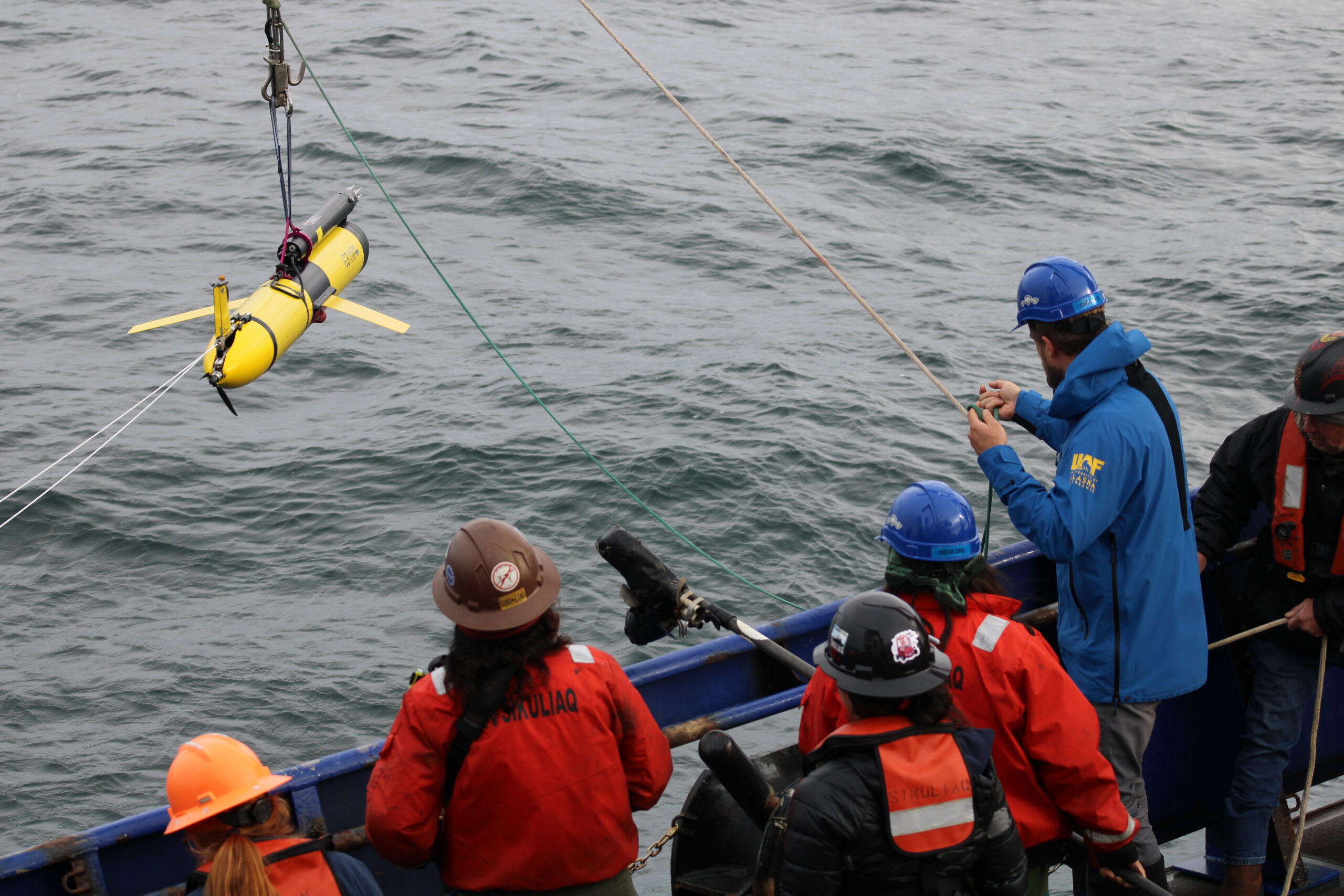
Before this research cruise, I had spent a maximum of about 2 days at sea in a much smaller research vessel. The concept of being in a relatively confined space away from solid land for so long was completely foreign to me, yet I felt strangely calm and eager. I was geared up to collect data for my thesis and to spend some time in the field. I study turbulence and nutrient fluxes in and around significant fronts in the NGA, so I deployed an autonomous underwater glider with a mounted turbulence instrument (called a MicroRider) to sample the study site.
Credit: Sarah Belcher
I also had a vertical turbulence profiler called a VMP (vertical microstructure profiler), which I would use to collect concurrent turbulence profiles (or as a backup in case of instrument failure). Nutrient data were collected with an optical, high-resolution sensor called a submersible underwater nutrient analyzer (SUNA).
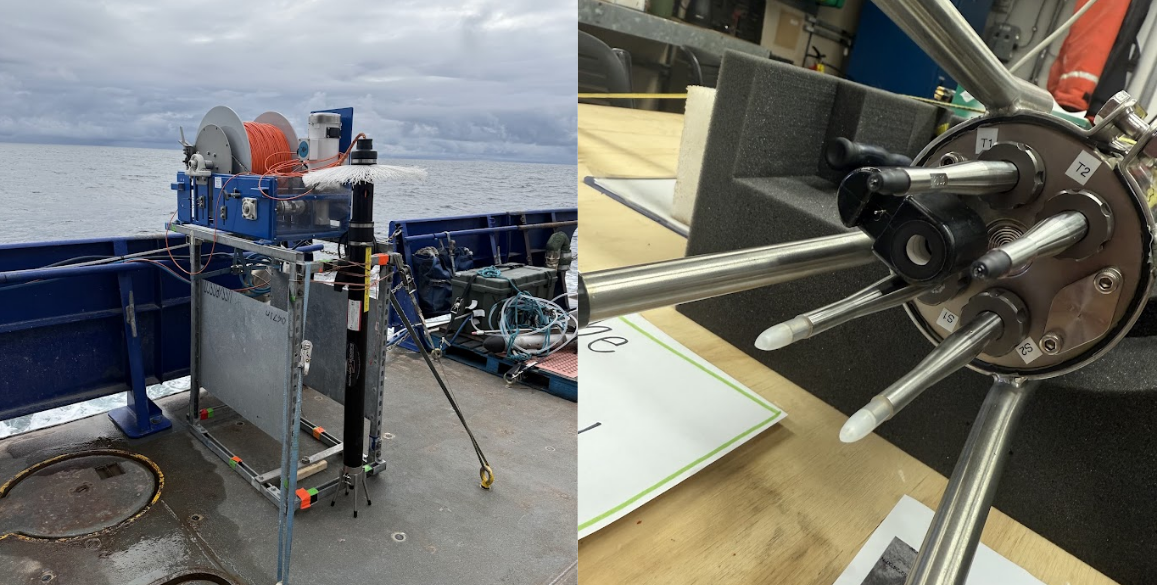
Credit: Ava Meier
What I was not prepared for was both my main instrument and backup instrument experiencing complete failure within the first two weeks of our time at sea. This left me completely blindsided as these data were being collected for my thesis, which I was planning on writing and defending in a year’s time. Feeling a tad forlorn, I went through the motions of the rest of the cruise, hoping what little data I was able to collect would be sufficient to at least get me started on my thesis. As it turns out, my preliminary data analysis showed some exciting results, enough to push for further sampling to take place this spring (after the MicroRider and the VMP took a trip to the manufacturer for a little doctor’s visit, of course).
I am certainly not alone in an experience like this; a consequence of being out in the field is that things quite often go awry. In fact, it might be one of the most reliable things about fieldwork. If anything, this experience has taught me how to roll with the punches, how to best attack a problem that might arise, and how to avoid encountering it in the future. I am 100% certain that I will continue to face problems like these in my life and my career, and I am grateful and excited for the valuable knowledge that I might gain from them.
Credit: Ava Meier
Despite co-existing in the same limited space as the 40 different scientists and ship crew members, the gray water, cloudy skies, and rough seas can often feel like a crowded loneliness. However, the drive to understand Alaska’s marine ecosystems keeps us motivated on each research trip. As we write this, we are preparing for the upcoming fieldwork season. Despite the long hours, unpredictable conditions, and the occasional instrument failure, each research trip brings us closer to understanding the Gulf of Alaska’s dynamic ecosystems. While the work is demanding, it’s also deeply rewarding. Out there, beneath open skies and surrounded by an endless ocean, we are reminded that science isn’t just about getting answers. It’s about staying curious and pushing to see what lies beneath the surface.
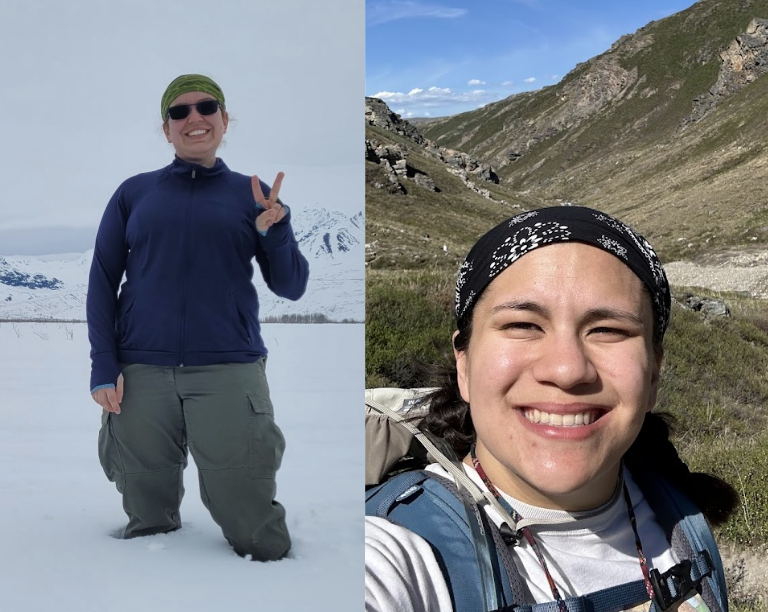
Far Left: Sarah Belcher is a second-year master’s student in Chemical Oceanography at the University of Alaska Fairbanks. Her research with the NGA LTER involves phosphorus cycling, specifically investigating spatial and seasonal phosphorus distributions and adsorption-despotion reactivity.
Left: Ava Meier is a second-year master’s student in Physical Oceanography at the University of Alaska Fairbanks. Her research is based in the Northern Gulf of Alaska as part of the NGA LTER and involves investigating how oceanic frontal structure and associated turbulence impacts fluxes of nutrients.