Three years ago, I found myself, like many teachers do, at a crossroads. After 20 years in the classroom, I was questioning everything: Do I stay in this job? Do I make a change? The dynamics of teaching had shifted, and I felt the pull of routine settling in. I needed something to shake me out of complacency—but I had no idea that the solution would come from one of the most remote places on Earth.
That shake-up came in the form of the ARETS LTER program: a summer in the Arctic on the Alaskan Tundra. A chance to leave my classroom and step into a world of permafrost, tundra, and never-setting sun. Without hesitation, I applied—and was awarded one of the coveted spots. Accepting was easy; preparing, not so much.
My first moment of doubt came on the tarmac in Fairbanks, Alaska. I was instructed to make my way to a hotel where a van would be waiting to drive me 8–14 hours north. Eight to fourteen hours? I thought. How could an estimate be so vague? I was also told to bring food in case the journey took longer—there would be nowhere to stop along the way. As I boarded the van, I asked myself, “What am I getting myself into? Does anyone even know where I’m headed?” But there was no turning back now.
Credit: Photo credit: Stephanie Dolan
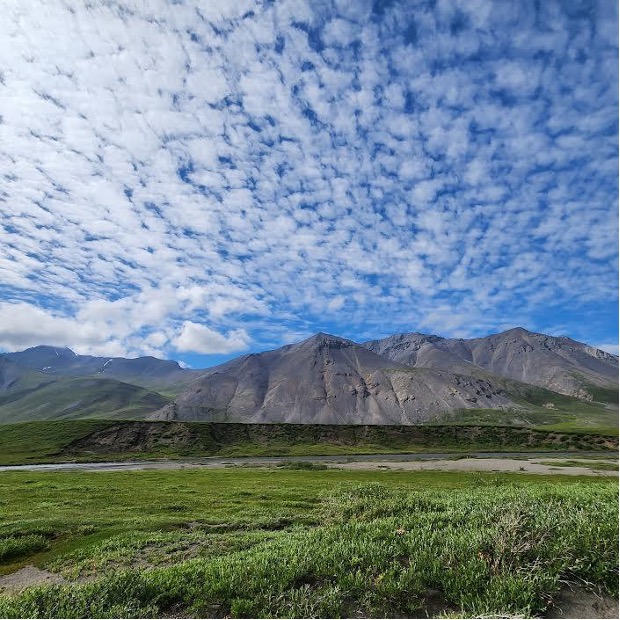
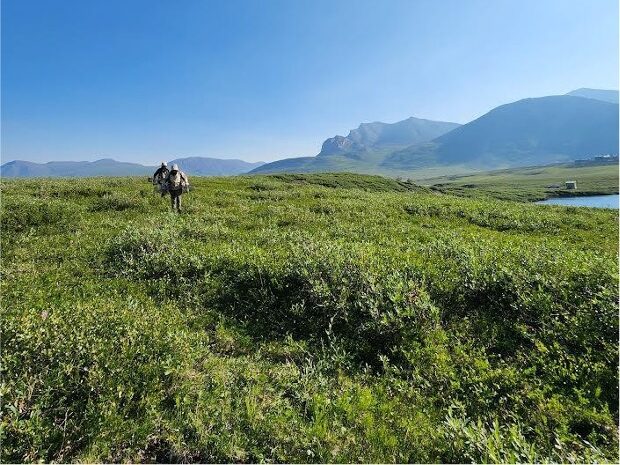
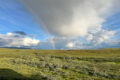
Driving north from Fairbanks to Toolik Field Station, over the Brooks Range. Photo credit: Stephanie Dolan
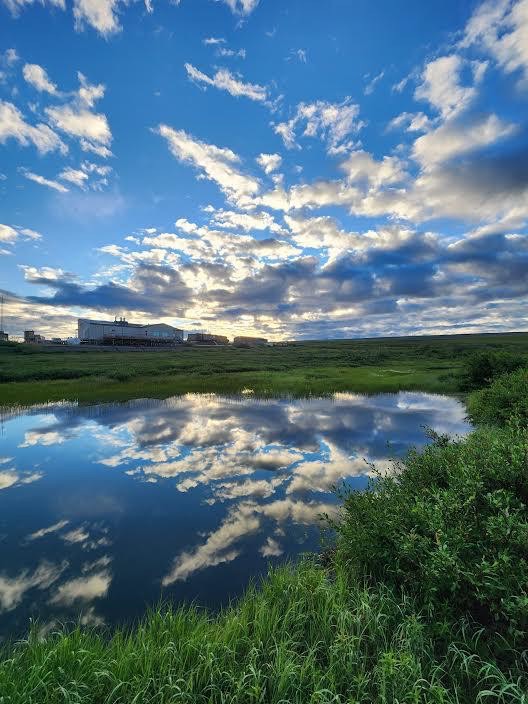
The ride north was magical. I met my teacher cohort for the first time, and conversation, laughter, and photo-taking filled the hours. The landscape unfolded like nothing I had ever seen—mountains, rivers, tundra stretching endlessly under skies that refused to darken. By the time we reached Toolik Field Station, I knew I had stepped into a world that would challenge and transform me in ways I could never have imagined.
At Toolik, we were assigned to research teams with working scientists. Summer 1, I worked alongside a young group of undergraduates from Appalachian University studying hydrology. As we loaded the van for fieldwork, it hit me: I was old enough to be each student’s mother. These bright, eager scientists were barely older than my own students, yet they were conducting real-world research under the Arctic sky. It was awe-inspiring.
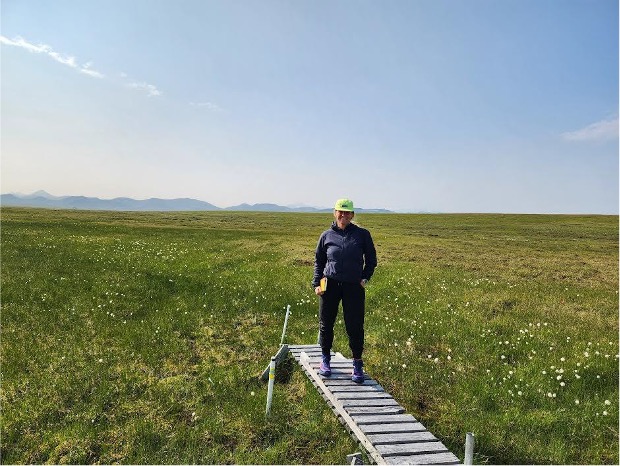
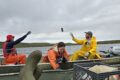
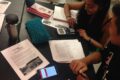
Collecting water and soil data with undergraduates from Appalachian University. Photo credit: Stephanie Dolan
As we settled into the rhythm of collecting soil cores, measuring permafrost depths, and monitoring water temperatures, I found myself handing out bug spray, snacks, and water. They jokingly dubbed me their field “Mom.” Talking with them, I learned about the mentors and experiences that had shaped their paths—the curiosity and dedication that brought them to this remote tundra. It was humbling and inspiring to witness their growth firsthand.
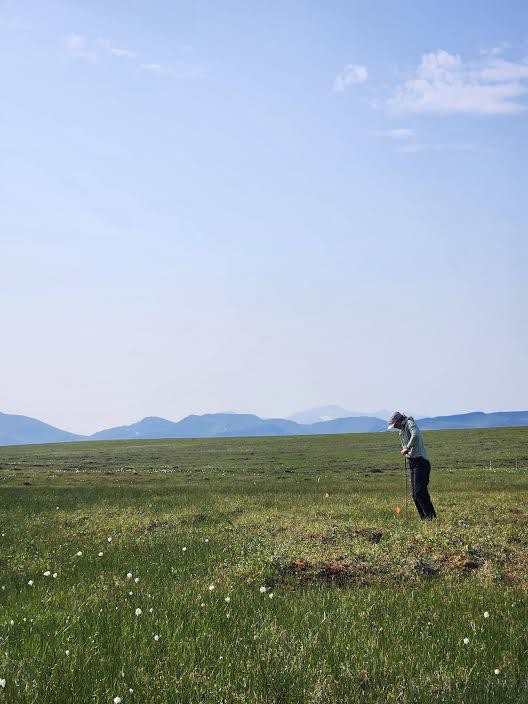
Summer 2 brought a different challenge. I joined a slightly older team studying ground squirrels. While more experienced, they faced field challenges like hauling traps across tundra terrain to reach sites accessible only by foot. When plans went awry—as they always do in fieldwork—I watched scientists navigate dilemmas with patience and adaptability, adjusting methods without compromising data integrity. Observing their problem-solving and resilience was transformational. I felt privileged to be a “fly on the wall” in this process.
Hauling squirrel traps over tundra terrain while conducting wildlife research. Photo credit: Stephanie Dolan
Over the two summers (2024–2025), my passion for teaching was reignited. Experiencing science in action—data collection, problem-solving, and collaboration—gave me stories, methods, and insights to bring back to my classroom. I designed modules inspired by my fieldwork, where students analyzed real data, explored ecological interactions, and discussed the implications of permafrost thaw. They learned to think like scientists—posing hypotheses, designing experiments, and reflecting on results—making learning tangible and meaningful.
This experience reshaped how I view both science and teaching. I learned the value of patience, resilience, and teamwork—skills essential in both the Arctic and the classroom. Most importantly, I saw that teaching is not just about content delivery; it is about sparking curiosity, fostering inquiry, and connecting students to the broader world.
For teachers and students alike, my message is simple: seek experiences that challenge you, that take you out of your comfort zone, and that allow you to witness the process of discovery firsthand. Whether in the Arctic or your own backyard, science is everywhere, waiting to inspire curiosity and spark growth. By embracing these opportunities, we can transform not just our understanding, but the way we teach, learn, and engage with the world.
My summers at Toolik Field Station reaffirmed a simple truth: teaching and research are intertwined. Authentic field experiences can transform educators and students alike, inspiring curiosity, critical thinking, and a lifelong passion for discovery.
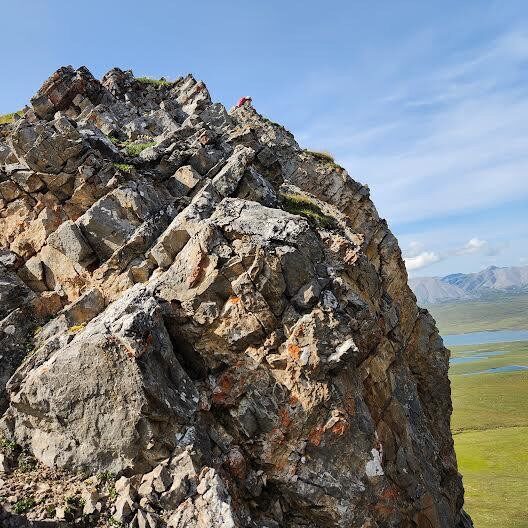
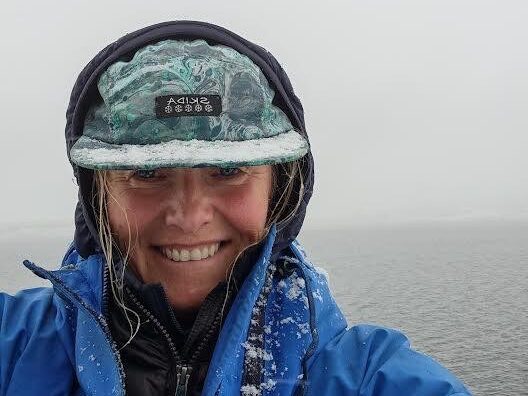
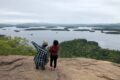
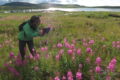
Caption: Afternoon hikes on our time “off”. Photo credit: Stephanie Dolan
Read more about participant experiences with the Authentic Research Experiences for Teachers @ LTERs (ARETS) and access the lesson plans they developed below.
This experience reignited my passion for working with students. Witnessing curiosity, perseverance, and the realities of field research firsthand reinforced...