Lin Hou, A PhD student at the California Current (CCE) LTER site, will visit the Northeast Shelf (NES) LTER to refine her Imaging Flow Cytobot (IFCB) analysis techniques, drawing on approaches used in the Sosik lab at Woods Hole Oceanographic Institution. Lin already deploys the IFCB at CCE and conducts image analysis, but she builds her classifiers independently. The Sosik lab employs techniques for training set design and taxonomic schema development that will substantially improve the robustness of Lin’s analyses as well as future CCE analyses.
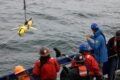
While there, Lin will participate in the fall 6-day cruise (Oct. 6) for the Northeast U.S. Shelf (NES) Long-Term Ecological Research (LTER) to learn about a new imaging system in action. The new imaging system developed in Sosik’s lab is able to capture diatom chains >250 µm, which are common during seasonal blooms in the California Current Ecosystem (e.g., Pseudo-nitzschia, Chaetoceros) but are incompletely imaged with current IFCB size constraints. This new imaging system can potentially expand diatom quantification and analysis in the CCE.
Tangible outcomes include expanded classifiers for CCE-LTER and CalCOFI datasets, improved deep-learning detection models for chain-resolved cell counts and morphology, standardized annotation workflows aligned with broader IFCB repositories, and evaluation of next-generation imaging technologies for potential deployment in the CCE. This exchange will strengthen integration of imaging with ecological and -omics datasets and expand LTER’s capacity to resolve large phytoplankton morphology in productive coastal systems.
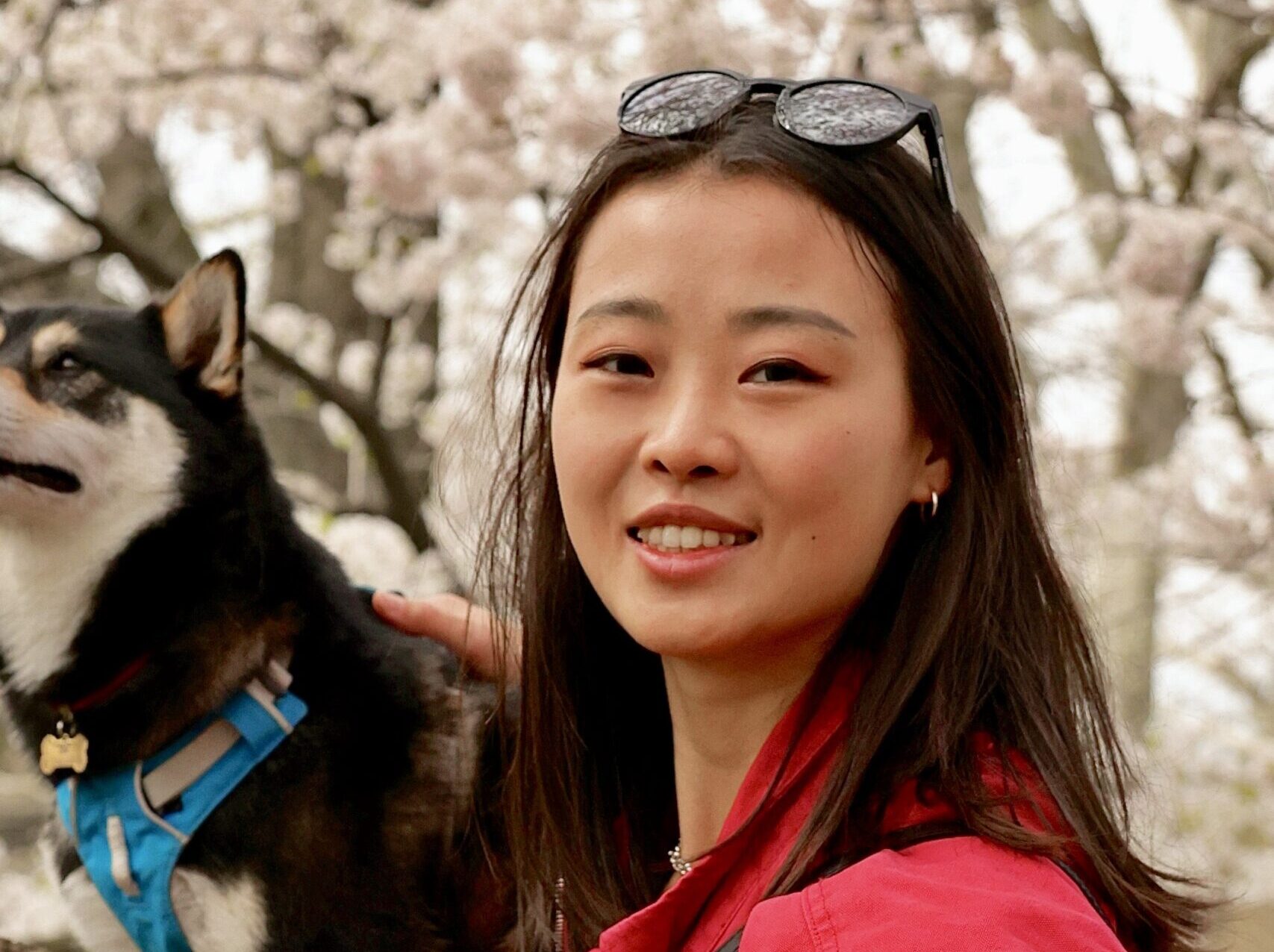
Vivian (Lin) Hou, is a fourth-year PhD candidate in the lab of Andrew E. Allen at Scripps Institution of Oceanography, UC San Diego, studying marine microbial ecology. Her research integrates multi-omics and image analysis to understand microbial interactions, bloom dynamics, and harmful algal blooms, particularly Pseudo-nitzschia and its domoic acid production. She works with high-resolution time series and develops microbial interaction networks to link environmental variability with community function. Lin also uses Imaging FlowCytobot (IFCB) data to build machine learning classifiers for plankton identification. Her work combines field campaigns at sea with computational approaches to uncover mechanisms driving coastal ecosystem dynamics.