Traci Kennedy
…toward the end of our unit, students were able to create their own graphs, and understand the implications of the data after analysis

Short post, potentially with links to products and programs. Initially for ARETS pages, but may be useful elsewhere.
…toward the end of our unit, students were able to create their own graphs, and understand the implications of the data after analysis
This experience reignited my passion for working with students. Witnessing curiosity, perseverance, and the realities of field research firsthand reinforced inquiry-based learning, systems thinking, and connecting content to real-world science, inspiring both my teaching and my students’ engagement.
This experience changed my teaching life! Now we learn about insects, collect insects, and identify insects…We even make our own bug costumes after we learn about insect morphology!
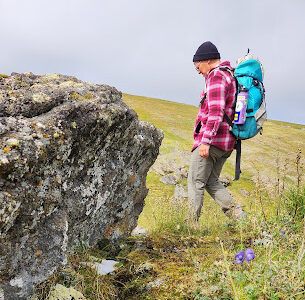
…not only were we able to help contribute to the data being collected but also bring that experience back to our students in Minnesota.
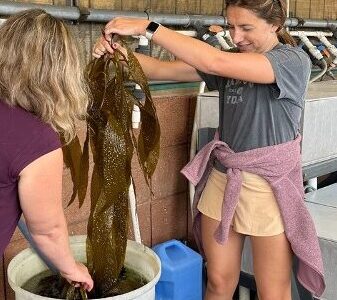
I will have my students work with science data more frequently in our classroom.
Whether it is collecting data in a lab or using science datasets, this allows my students to be curious, ask questions, and explain key scientific concepts with data.
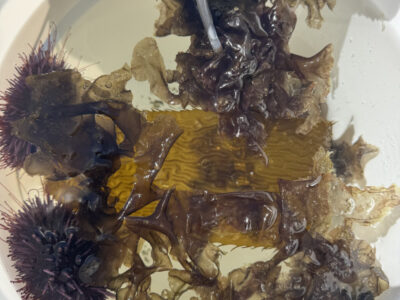
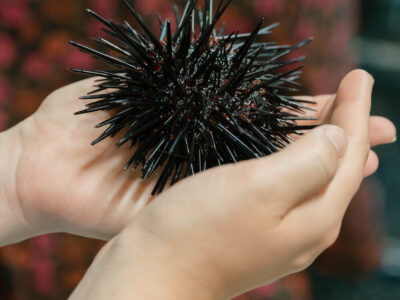
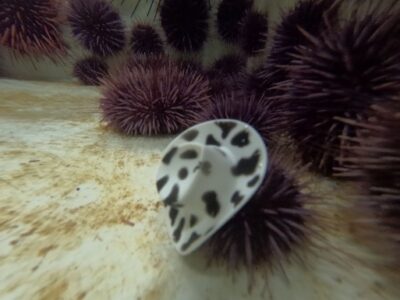
My students tested whether urchins kept indoors or outdoors consumed more kelp. The students got a taste of real, locally-relevant research directly connected to the work of the Hofmann Lab at UCSB.
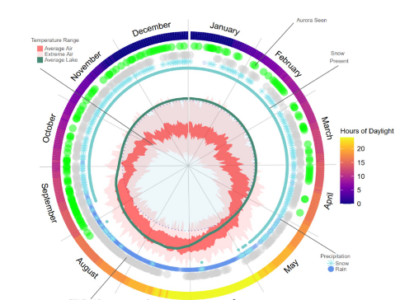
I fell in love with Amanda Young’s circle graph examples today. I saw them as awesome gateways for students to explore visual data in a new/more exciting/artsy way.
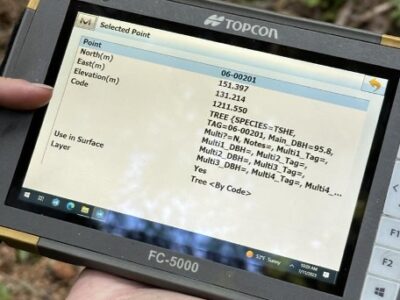
I translated these experiences into classroom lessons centered on data literacy, long-term datasets, and the realities of scientific research.
The biggest impact of this experience is in how I teach the process of science. While I was at the LTER, I spent a lot of time thinking about how science is long and messy. As teachers, we sometimes make the message too “clean” to make a main point – but it’s critical that students grapple with the mess!
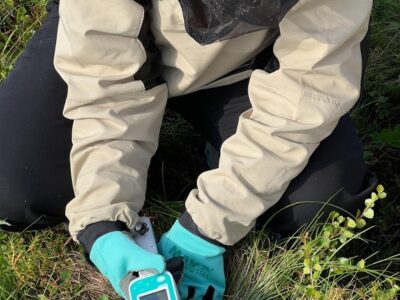
…what was so special about this program was that it introduced me and my students to a place in the world we had once considered foreign, unfamiliar, and completely abstract. It also allowed me to connect this place to our own backyard.
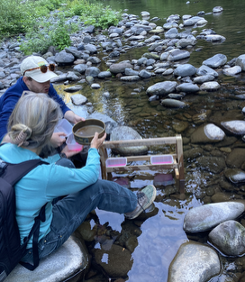
My two years as an ARETS Fellow profoundly changed how my students and I talk about science, approach a question, work together, look for evidence, and most importantly, pick up the pieces when our preconceived ideas are incorrect and comb through our data and ask another question.