“Storytelling and poetry, observation and experiment, myth and mathematics are all authentic windows on the world.”
–Charles Goodrich
Arts and humanities activities contribute to the LTER missions of public engagement, outreach, and education, and can help build interdisciplinary collaborative capacity needed for complex problem solving.
The LTER Arts and Humanities Working Group (AHWG) supports community building and resource sharing among facilitators, researchers, artists, educators, and others interested in place-based arts, humanities, and science integration across the LTER Network.
Explore our webpage to discover site-based programs, upcoming meetings, archives, and other resources in support of arts and humanities work at sites of long-term ecological inquiry.
For alerts about our upcoming meetings, please join our email list.
Arts and humanities programs at individual LTER sites
Arts and Humanities Working Group Presentation Gallery
Events


Arts and Humanities Stories
-
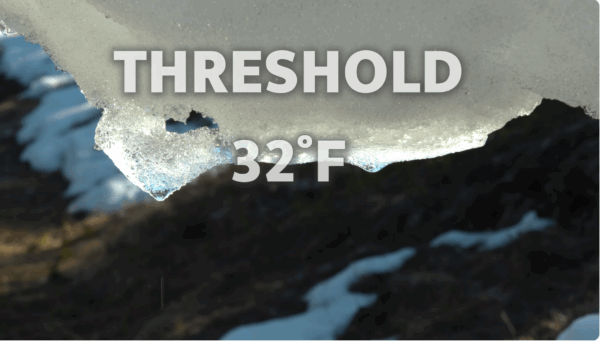
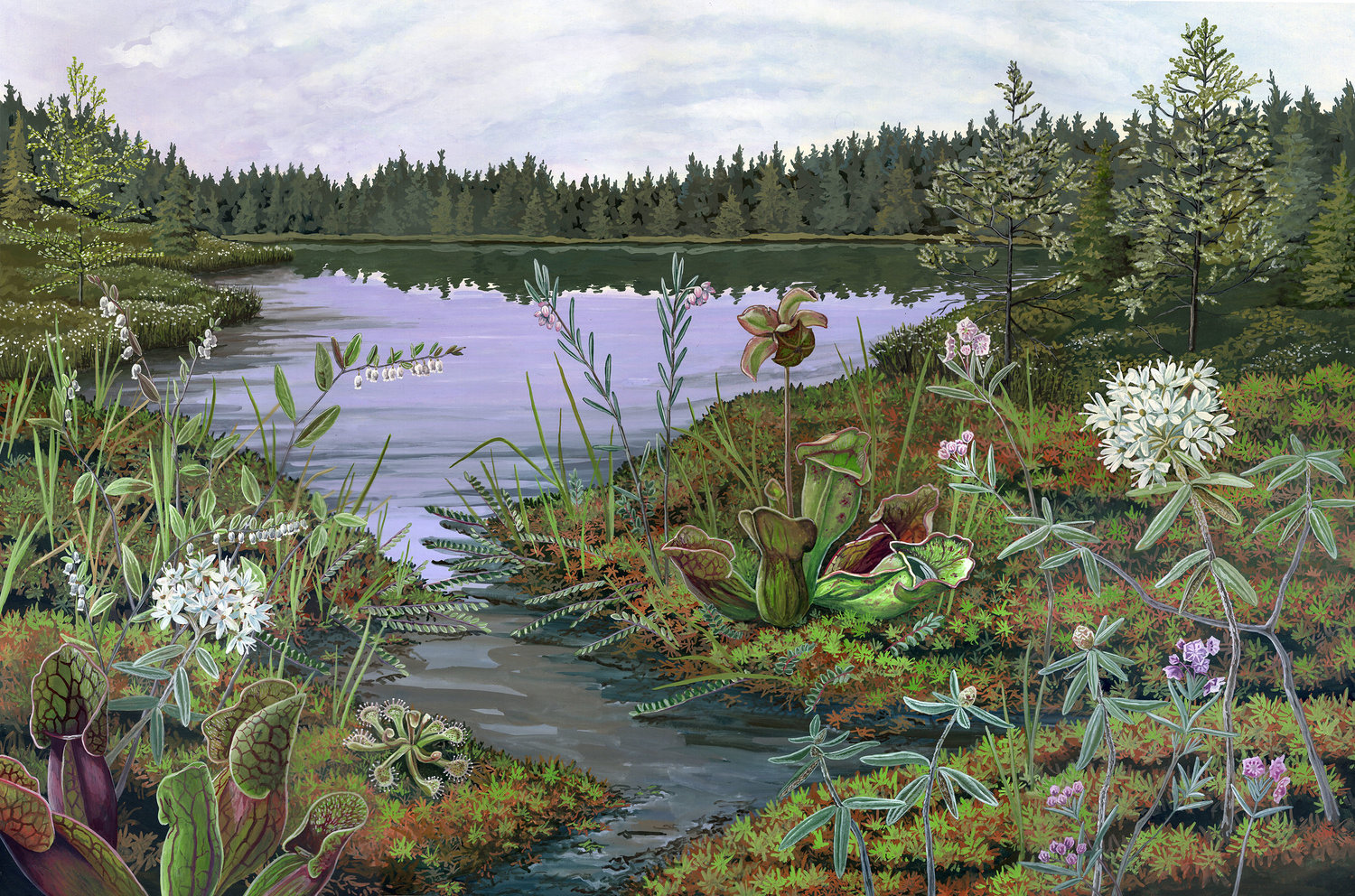
Threshold 32F exhibit offers multiple perceptions of change
In a new traveling exhibit, Threshold 32F, from the In a Time of Change project, visitors are treated to a mix of poems, paintings, and research notes that takes them…
-
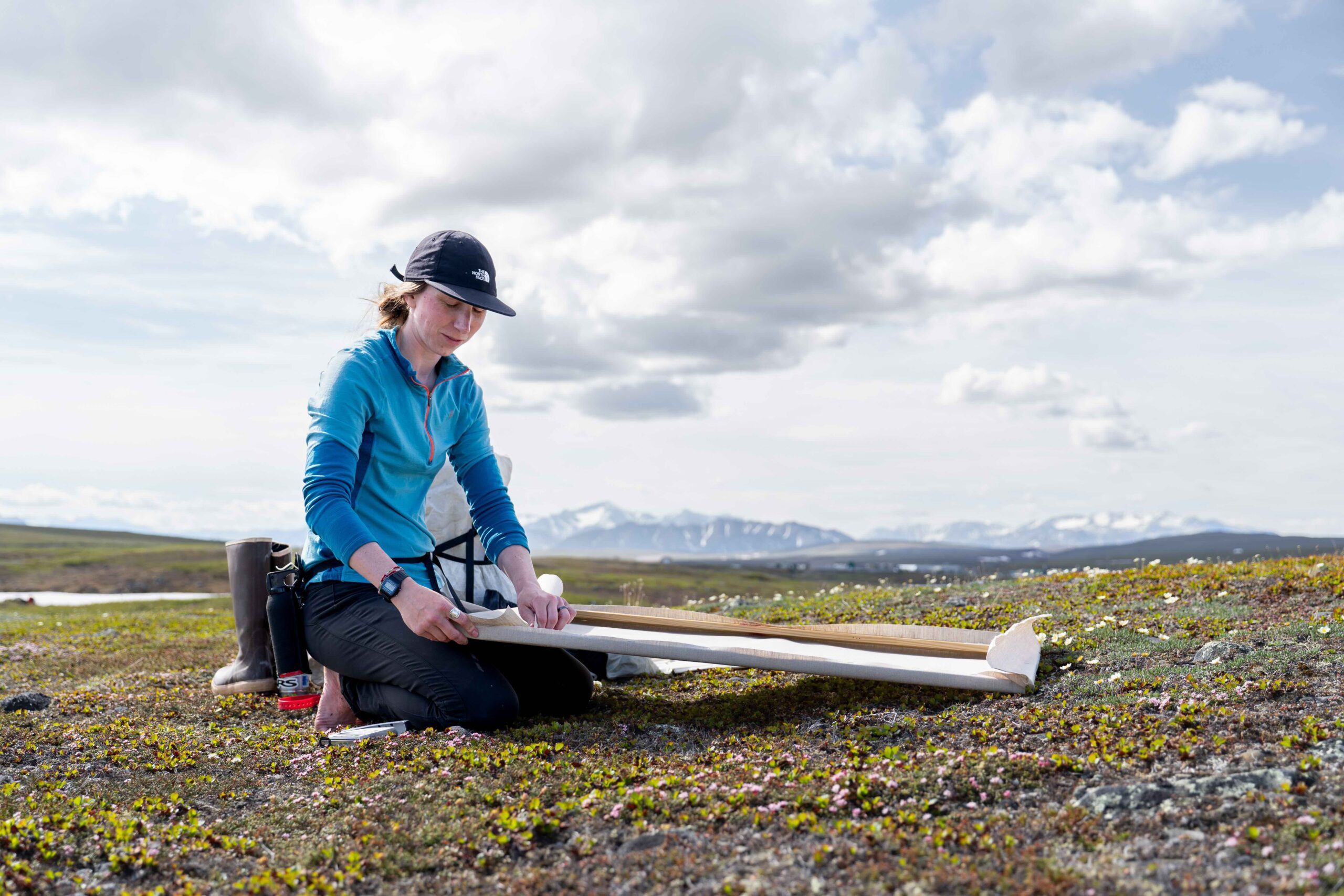
Letting art do the work that science cannot: Bonanza Creek’s In a Time of Change program
The In a Time of Change program at the Bonanza Creek LTER brings together artists and scientists to generate new ways of understanding nature.
-

Oyster Reef Soundscapes (VCR)
Martin Volaric (UVA Environmental Sciences) & Eli Stine (Music) Researchers studying intertidal oyster reefs are using sound recordings as a proxy for reef activity. During Summer 2018, researchers at the…
-
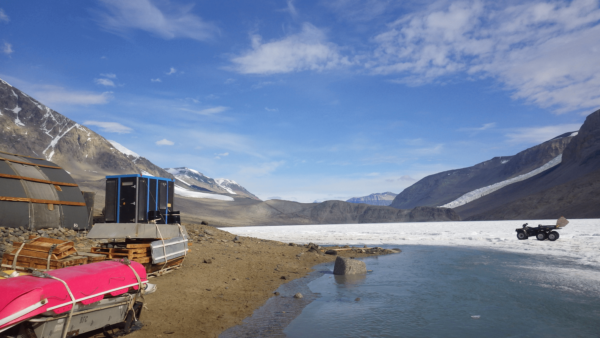
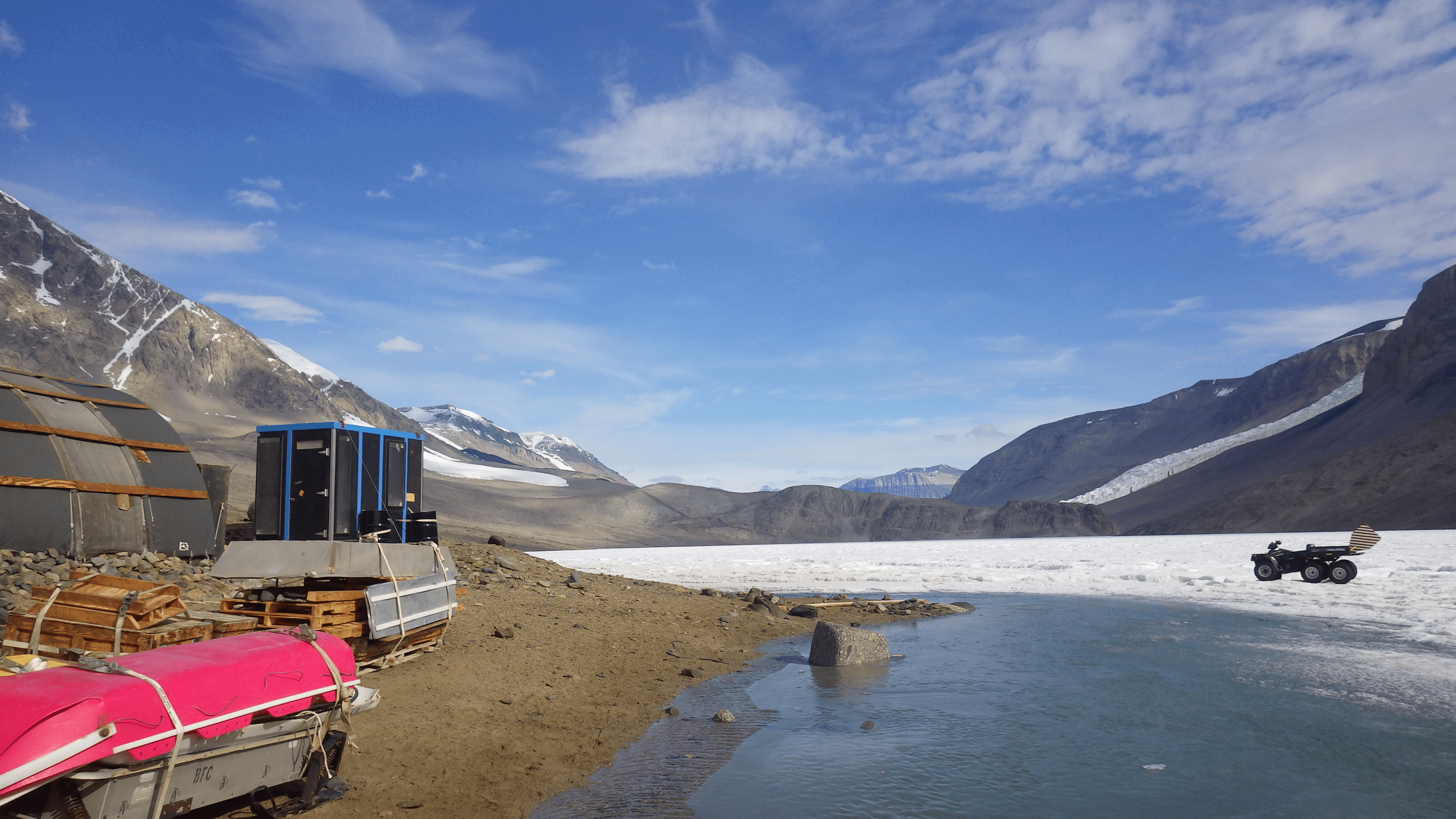
Environmental History of the McMurdo Dry Valleys (MCM)
As part of their current project, researchers at MCM LTER are writing a detailed study on the environmental history of the McMurdo Dry Valleys. The monograph will be available online…
-
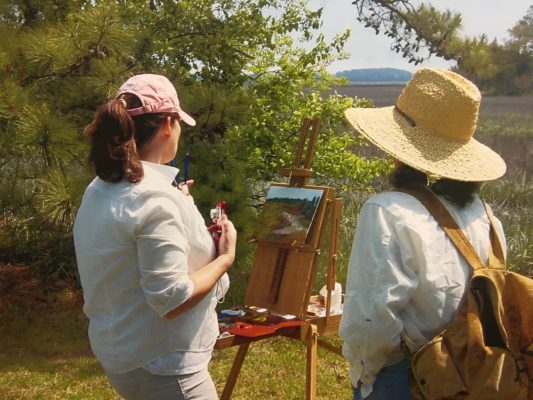
Art & Ecology (VCR)
Each year, art and science teachers are invited to Art and Ecology workshops that link Plein Aire landscape painting and observational drawing to salt marsh ecology and climate change impacts…
-
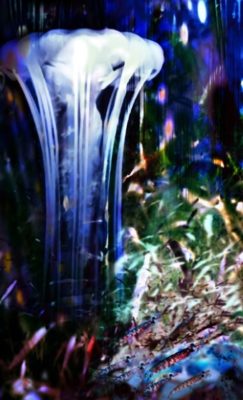
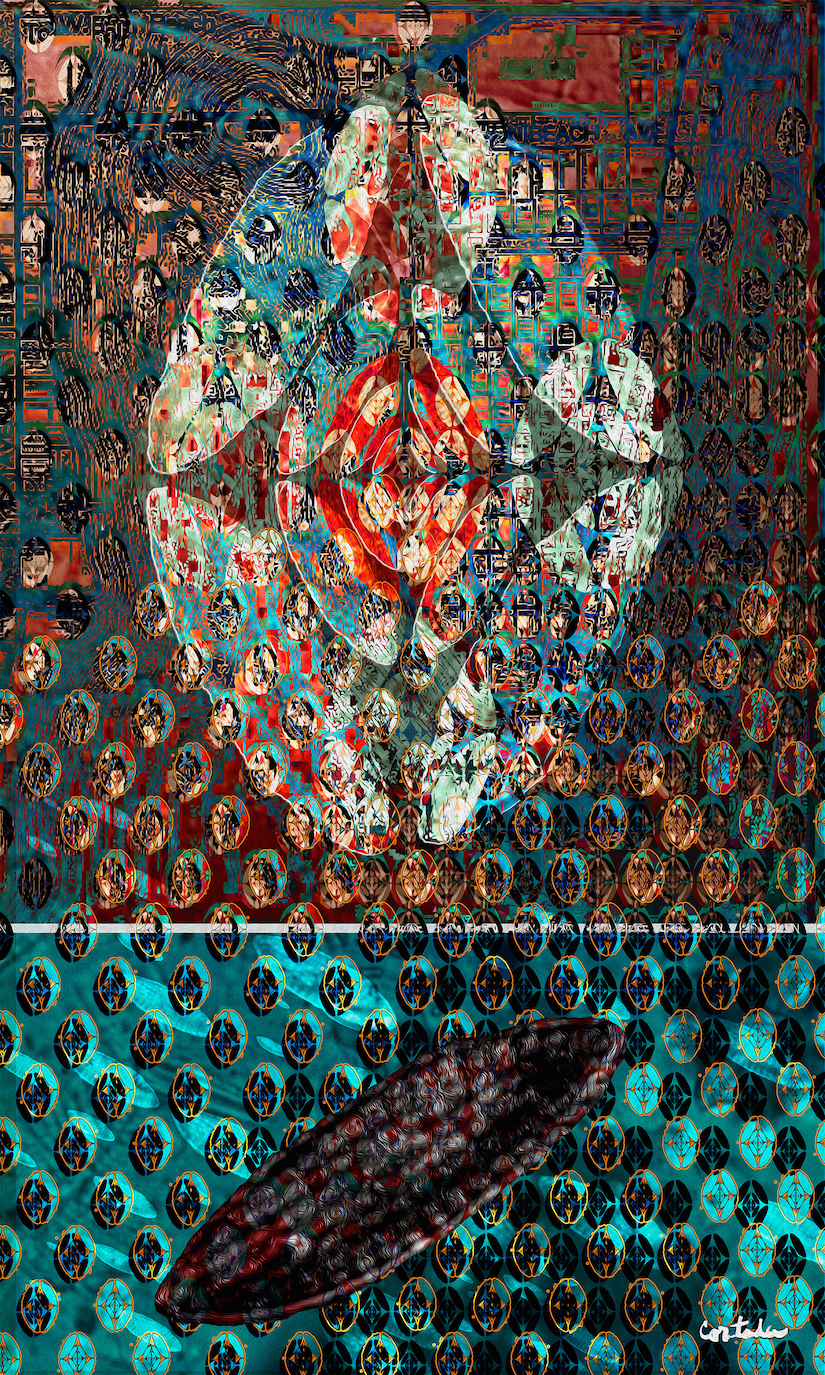
Collaboration with artist Cynthia Rubin (NES)
Biological oceanographer Susanne Menden-Deuer at the University of Rhode Island has an ongoing collaboration with artist Cynthia Rubin. Murals are on display on the doors to Woods Hole Oceanographic Institute…
-

STEAM with Falmouth High School (NES)
Several WHOI PIs have participated in the “STEAM” program with Falmouth High School art teacher Jane Baker. The STEAM educational movement advocates for the integration of Arts (“A”) into more…
-
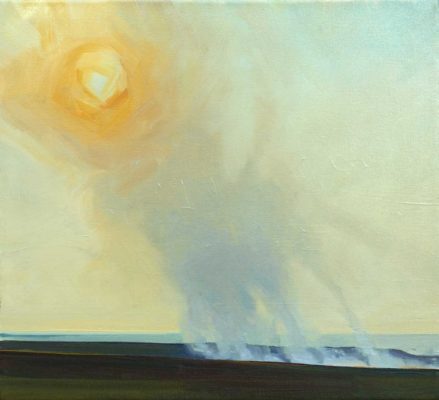
Painting in Plein Air (KNZ)
Lisa Grossman‘s work ranges from depicting the role of fire in maintaining the tallgrass ecosystem to traditional landscape studies. Grossman has lectured on her plein air work during the Natural…
-

After the Burn (KNZ)
Kansas State University Associate Professor of Art Erin Wiersma creates “paintings” using charred prairie biomass by working directly with the researchers during prescribed watershed burns at Konza Prairie Biological Station.…
-
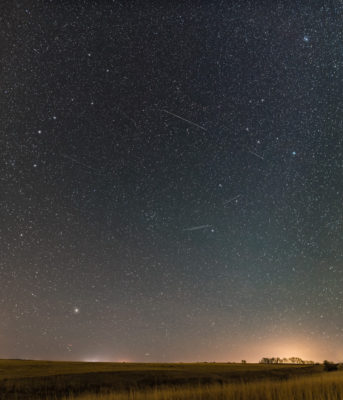
Constellation (KNZ)
Credit: Alan DyerElizabeth Dodd‘s creative nonfiction essay “Constellation” draws on a narrative of the observed tallgrass prairie and the night sky. Informed by the patchwork of burned and unburned grassland…
-

Tallgrass Artist Residency (KNZ)
The Tallgrass Artist Residency frequently collaborates with the Konza Prairie Biological Station. For more information, visit the program website. Rena Detrixhe, 2017 Tallgrass Artist in Residence, combines collected or scavenged…
-
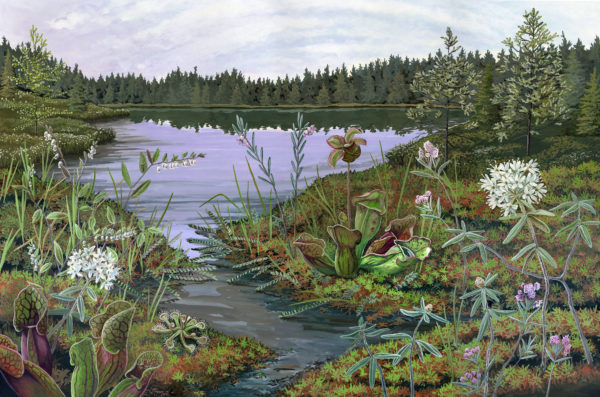
Artist in Residence Program (NTL): Drawing Water
Artists are enthusiastically embraced and encouraged during their residency at Trout Lake Station. A local artist has served as a science and art champion, and guides the public through small…
-

Outside of Time | Forest Landscapes (AND)
During his time as Artist in Residence, David Paul Bayles took a series of photographs to capture his surreal experience at Andrews Forest. His Outside of Time | Forest Landscapes…
-
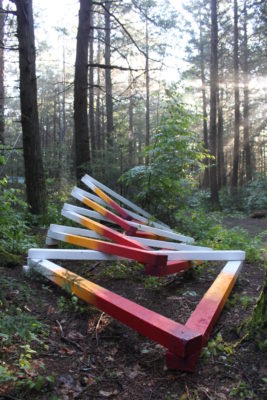
Hemlock Hospice (HFR)
David Buckley Borden was the 2016 artist and designer in residence at Harvard Forest. His creations were featured as an Art/Science Installation and Exhibition from October 2017 to November 2018.…
-

Artist in Residence Program (CDR): Cedar Creek Reflections
The diverse plant and animal communities and long-term studies at Cedar Creek Ecosystem Science Reserve provide a unique opportunity for artists to investigate the intersection of science, nature, and humanity.…
-

Art Student Sarah Rose at Sevilleta Field Station (SEV)
All science and art students spend a summer at the University of New Mexico Sevilleta Field Station, where they participate in journal club, seminars, and other summer REU activities. Art…
Ecological Reflections
This collection of art and science projects from across the LTER Network was inspired by Ecological Reflections, a project of researchers associated with the H.J. Andrews Experimental Forest LTER and the Spring Creek Project for Ideas, Nature, and the Written Word. Ecological Reflections sought to bring the environmental sciences, arts, and humanities together in long term attention to places and their cultural and moral meanings, as these change over time and generations. The idea held great resonance for many LTER scientists, especially those at sites with existing art and science collaborations. Six workshops, held since 2006, explored multiple facets of the connections between these creative endeavors and led to the Ecological Reflections web site, a few network-wide exhibits, and several new projects at LTER sites and elsewhere.
Not all LTER sites have active arts-science-humanities projects, but many do. Some embrace the vision held by Ecological Reflections of arts and humanities as a different kind of long term record. Others simply enjoy the jolt of creativity and the potential for deeper community engagement that such projects provide. This page offers a home for all these authentic ways of seeing and being and is offered as a complement to Ecological Reflections, which continues to be managed by the Spring Creek Project.
“There is an unusual richness and joy in the community of art and science.”
–Kathleen Dean Moore
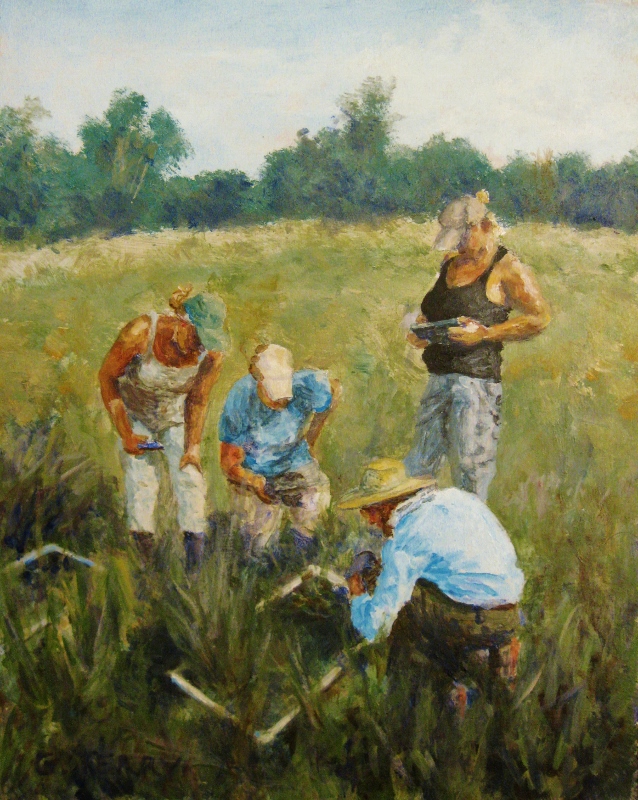
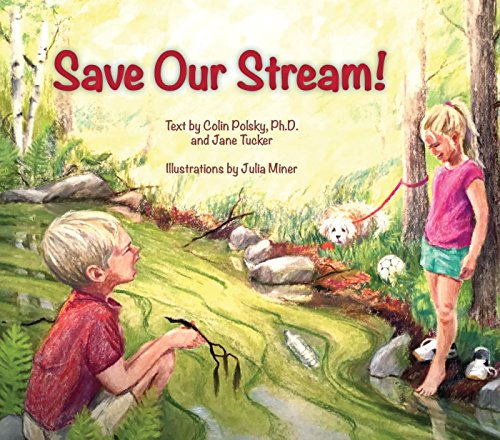
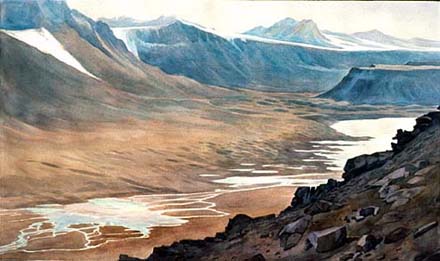
Each image below represents an individual art-science project at an LTER site (or several). Please enjoy your journey through them.