“Storytelling and poetry, observation and experiment, myth and mathematics are all authentic windows on the world.”
–Charles Goodrich
Arts and humanities activities contribute to the LTER missions of public engagement, outreach, and education, and can help build interdisciplinary collaborative capacity needed for complex problem solving.
The LTER Arts and Humanities Working Group (AHWG) supports community building and resource sharing among facilitators, researchers, artists, educators, and others interested in place-based arts, humanities, and science integration across the LTER Network.
Explore our webpage to discover site-based programs, upcoming meetings, archives, and other resources in support of arts and humanities work at sites of long-term ecological inquiry.
For alerts about our upcoming meetings, please join our email list.
Arts and humanities programs at individual LTER sites
Arts and Humanities Working Group Presentation Gallery
Events


Arts and Humanities Stories
-
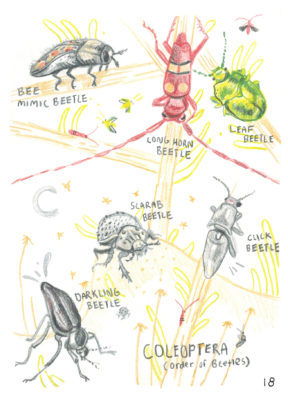
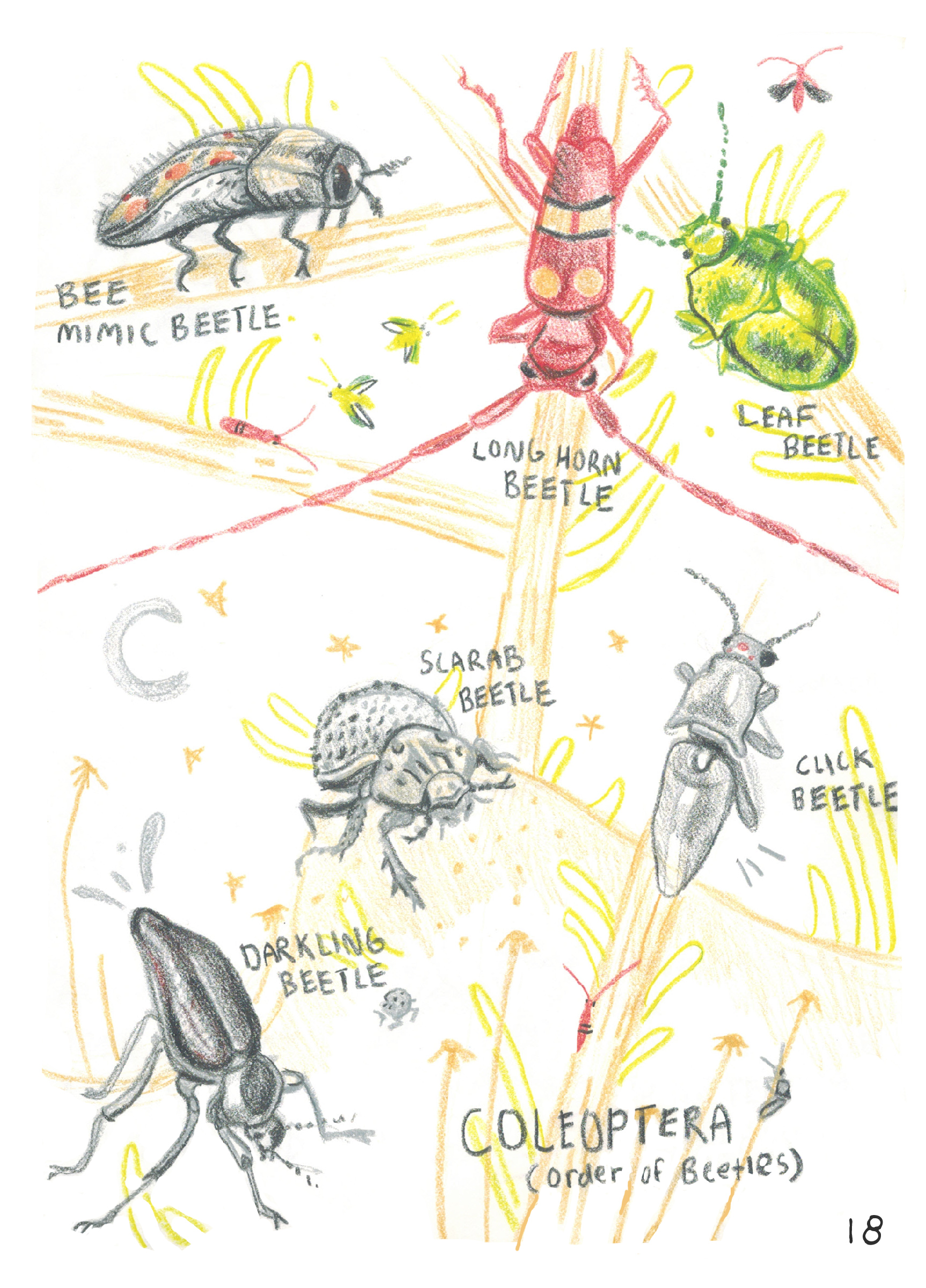
Art Student Siena McKim at Sevilleta Field Station (SEV)
All science and art students spend a summer at the University of New Mexico Sevilleta Field Station, where they participate in journal club, seminars, and other summer REU activities. Art…
-

Climate Variability: An installation at the Sevilleta LTER (SEV)
Climate Variability Installation uses art to express fundamental questions about climate change in dryland ecosystems. The RAC supported project engages students across disciplines, the general public, and staff at the…
-
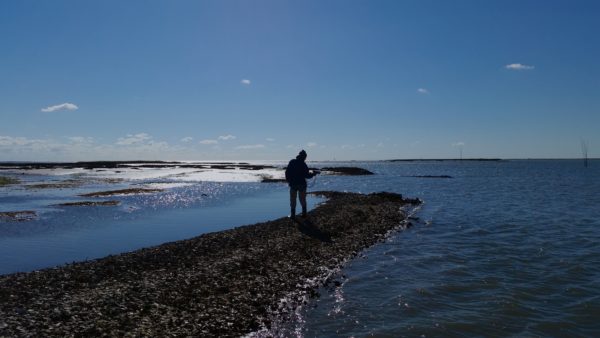
Environmental Humanities Conservatory (VCR)
The Environmental Humanities Conservatory is a collaboration between VCR-LTER and the UVA Department of Religion and Environmental Resilience Institute that aims to use listening to detect and understand coastal futures.…
-
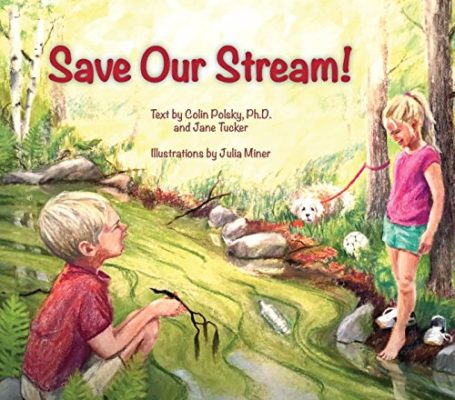
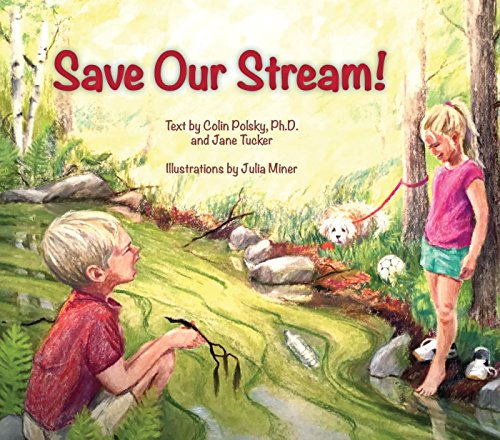
Save Our Stream (PIE)
Art related projects are pursued opportunistically. One scientist is currently compiling photographs and writing short essays to be published as a book. Ideas pending funding include an illustrated coloring book…
-
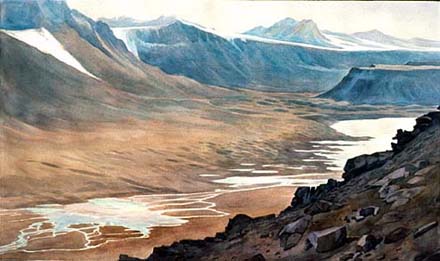
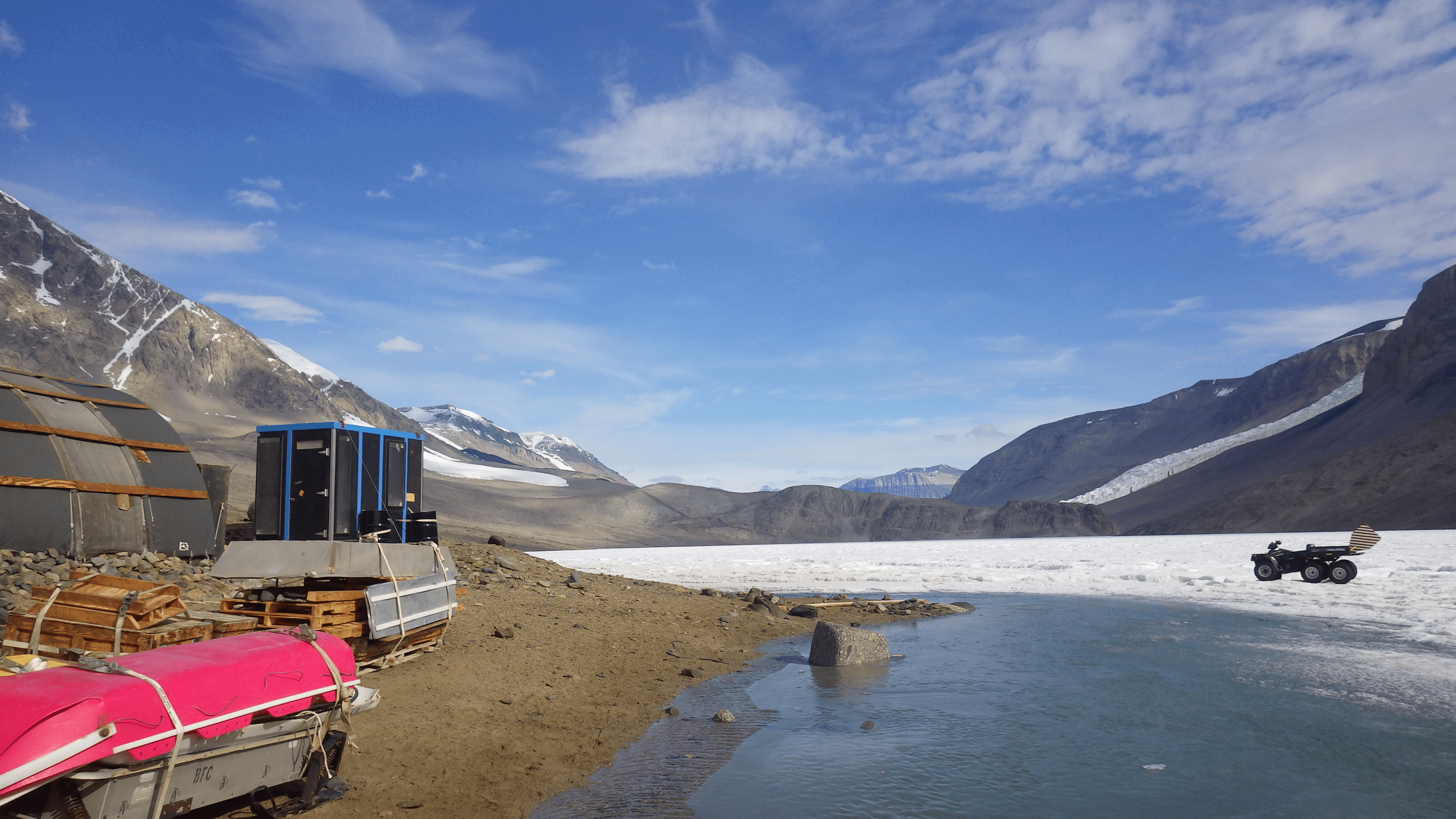
NSF Antarctic Artists & Writers at McMurdo Dry Valleys (MCM)
They also frequently collaborate with Antarctica-based members of the NSF Artists and Writers program. Other McMurdo arts and media collaborations can be viewed here.
-

Fire and Form on the Konza Prairie (KNZ)
Kansas State University photographer Edward Sturr documented prescribed burns on Konza Prairie for a decade between 2001 and 2012, focusing on the dynamic and formal qualities of fire and how…
-
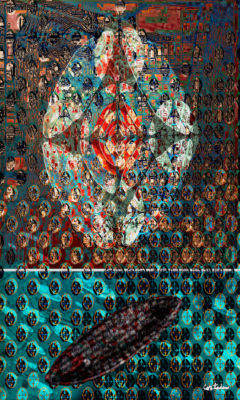
LTEaRTS at Florida Coastal Everglades (FCE)
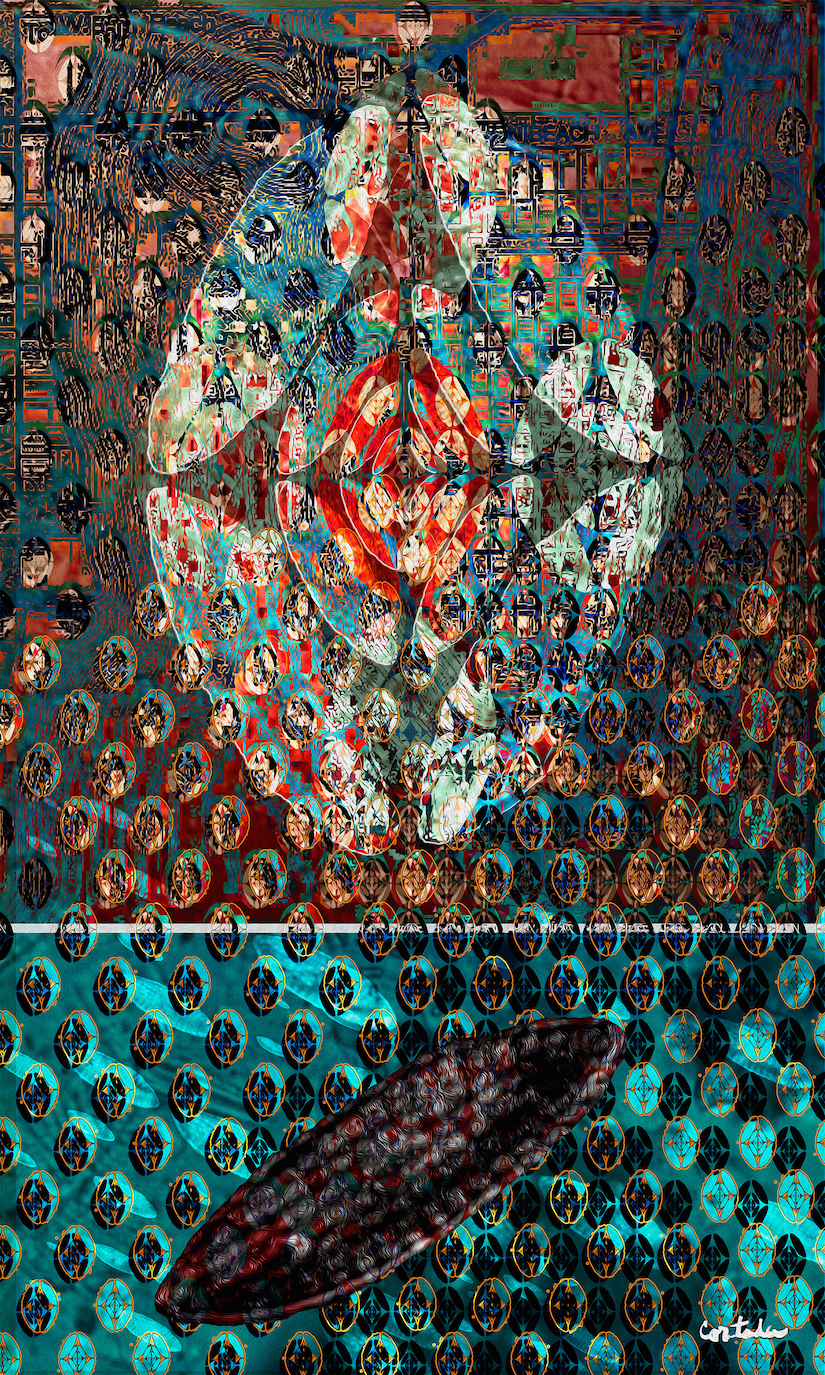
FCE LTEaRTs has an ongoing partnership with artist Xavier Cortada, the Tropical Botanic Artists Collective, and the AIRIE program (Artist in Residence in Everglades). Artists have worked with FCE scientists…
-

Inaugural LTER Idea Cafe Generates Innovative Pitches
The All-Scientists’ Meeting only happens every 3 years. The workshops offer an amazing smorgasbord of fresh results, new theory, tools, and opportunities to make progress on old challenges. But as…
-
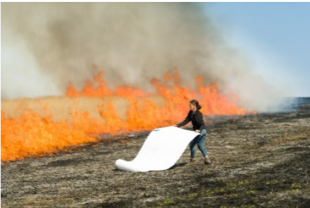
After the Burn – Making Art out of Grassland Fires
Fire is a natural force that has shaped grasslands for millennia, and it remains crucial for managing and conserving tallgrass prairie today. Fire also inspires and captivates the human spirit.…
-
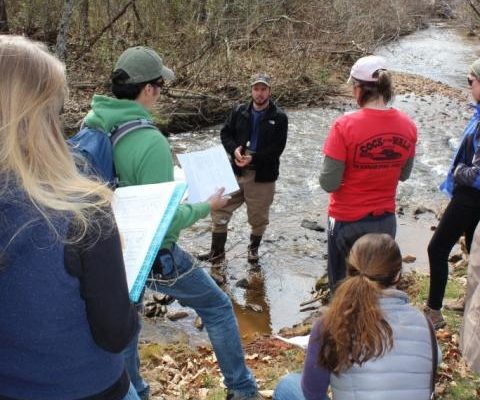
LTER Road Trip: Coweeta Listening Project
I flip open my copy of The Franklin Press while sipping coffee at a field station, and there, in a bi-monthly column, is an article by Coweeta Hydrologic Lab staff,…
-

LTER Road Trip: Hemlock Hospice
The hemlock is a native tree species that was once common from northern Alabama to Nova Scotia. Stretching tall with thick needles, the hemlock creates an entire ecosystem beneath its…
-
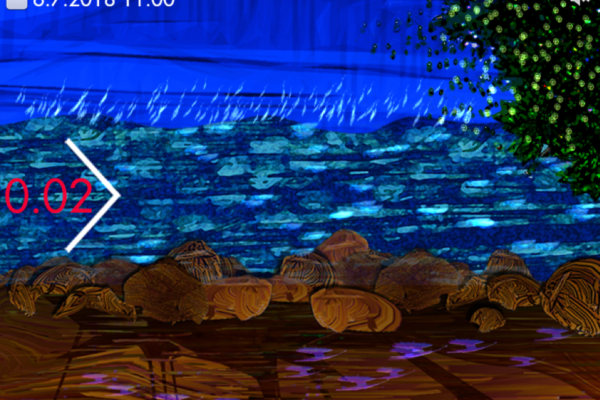
LTER Road Trip: Music and Art Meets Science at Hubbard Brook
Envisioning Data at Hubbard Brook It’s not every day that you walk into a forest and find musical instruments set up carefully next to a gurgling stream. Yet melding art…
-

Art and Humanities LTER Programs Build Empathy for Nature
Do arts and humanities programs at LTER sites further the Network’s mission? Recent research posits that art-humanities-science collaborations generate empathy – and associated emotions like inspiration, awe, and wonder –…
-

Environmental Historians Enable Time Travel: Extending the Long Term Dataset in the Antarctic
A historian travels back a century into the cold, windblown Antarctic, landing at the edge of McMurdo Sound. A group of explorers recently returned to the coast recount their trip…
-
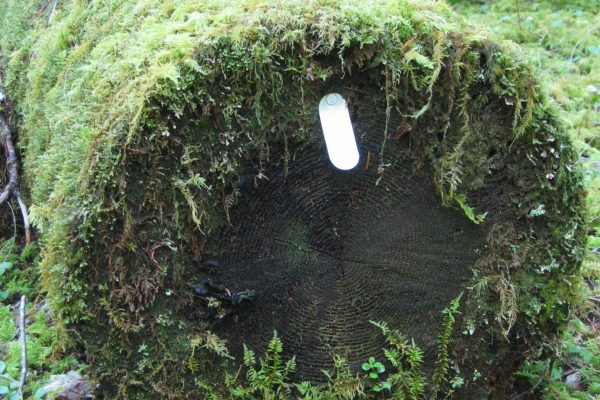
Rot: The Afterlife of Trees
For artists participating in the multimedia exhibit “Rot: The Afterlife of Trees” at the Corvallis Arts Center, rotting trees are inspiration.
Ecological Reflections
This collection of art and science projects from across the LTER Network was inspired by Ecological Reflections, a project of researchers associated with the H.J. Andrews Experimental Forest LTER and the Spring Creek Project for Ideas, Nature, and the Written Word. Ecological Reflections sought to bring the environmental sciences, arts, and humanities together in long term attention to places and their cultural and moral meanings, as these change over time and generations. The idea held great resonance for many LTER scientists, especially those at sites with existing art and science collaborations. Six workshops, held since 2006, explored multiple facets of the connections between these creative endeavors and led to the Ecological Reflections web site, a few network-wide exhibits, and several new projects at LTER sites and elsewhere.
Not all LTER sites have active arts-science-humanities projects, but many do. Some embrace the vision held by Ecological Reflections of arts and humanities as a different kind of long term record. Others simply enjoy the jolt of creativity and the potential for deeper community engagement that such projects provide. This page offers a home for all these authentic ways of seeing and being and is offered as a complement to Ecological Reflections, which continues to be managed by the Spring Creek Project.
“There is an unusual richness and joy in the community of art and science.”
–Kathleen Dean Moore
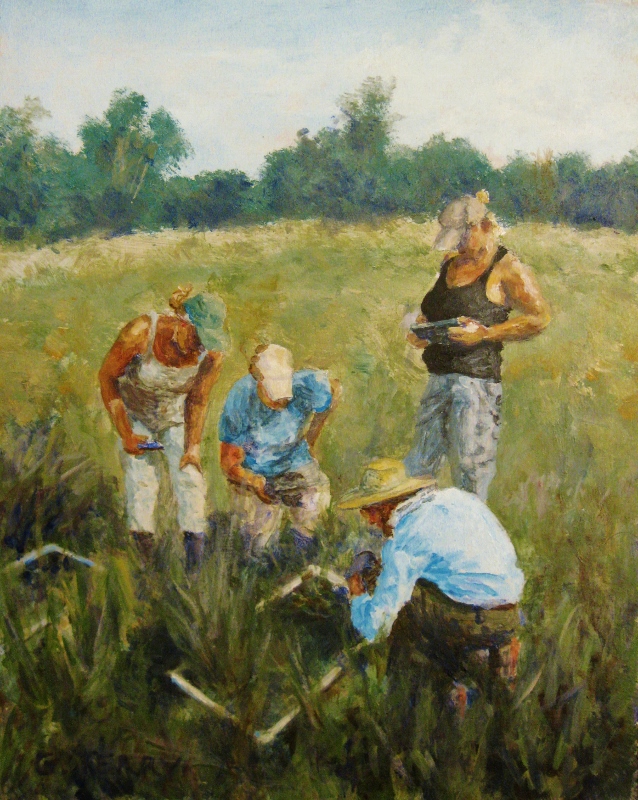
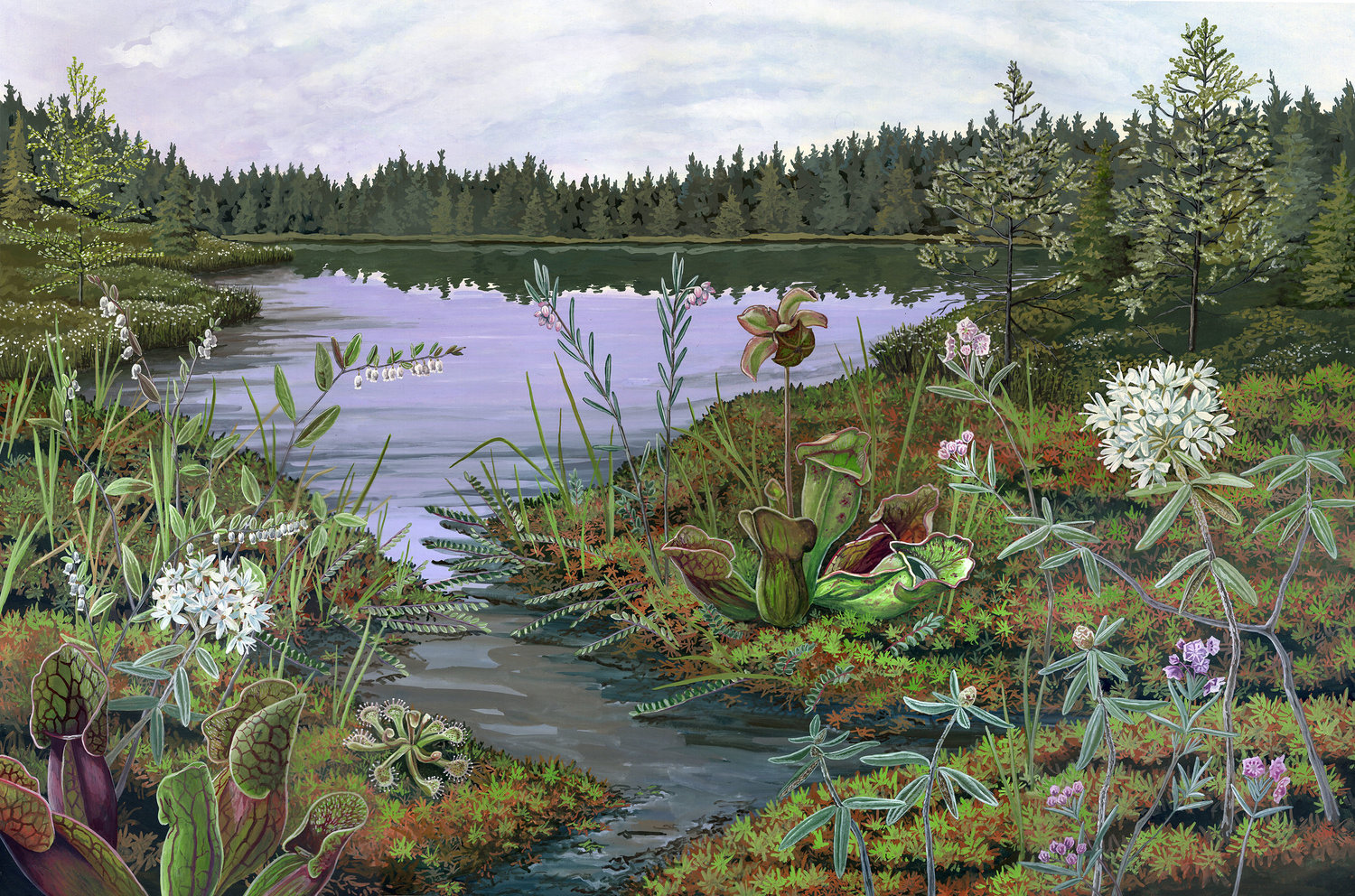
Each image below represents an individual art-science project at an LTER site (or several). Please enjoy your journey through them.