What (and when) is the point-of-no-return?

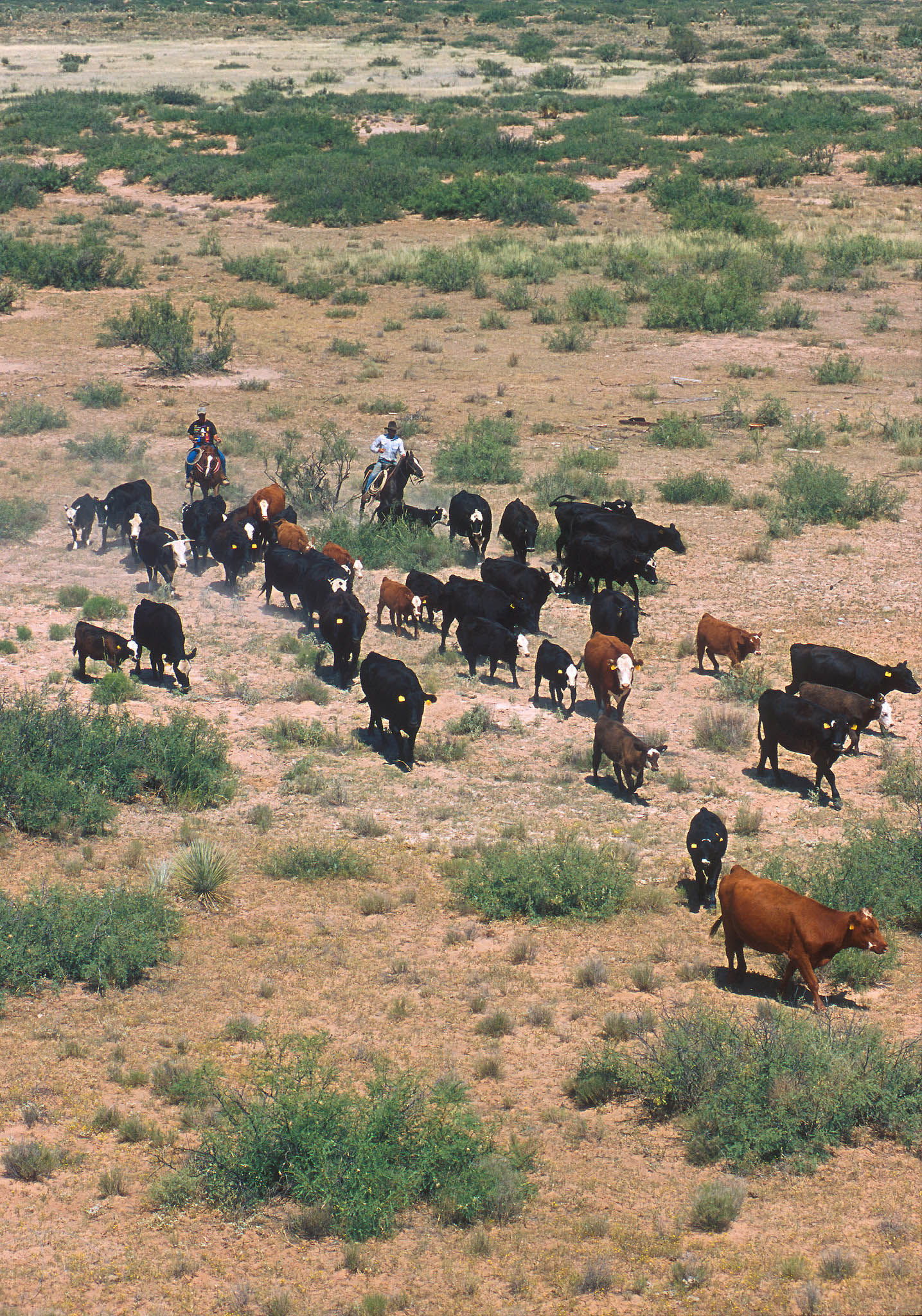
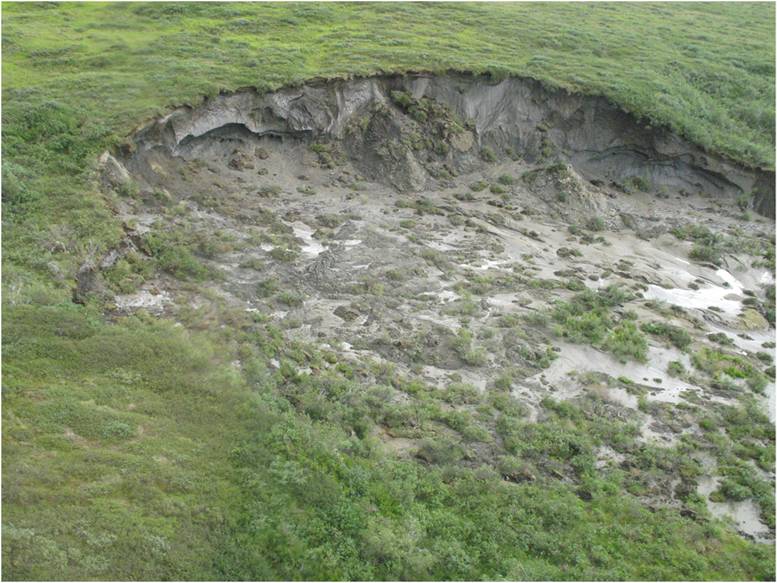
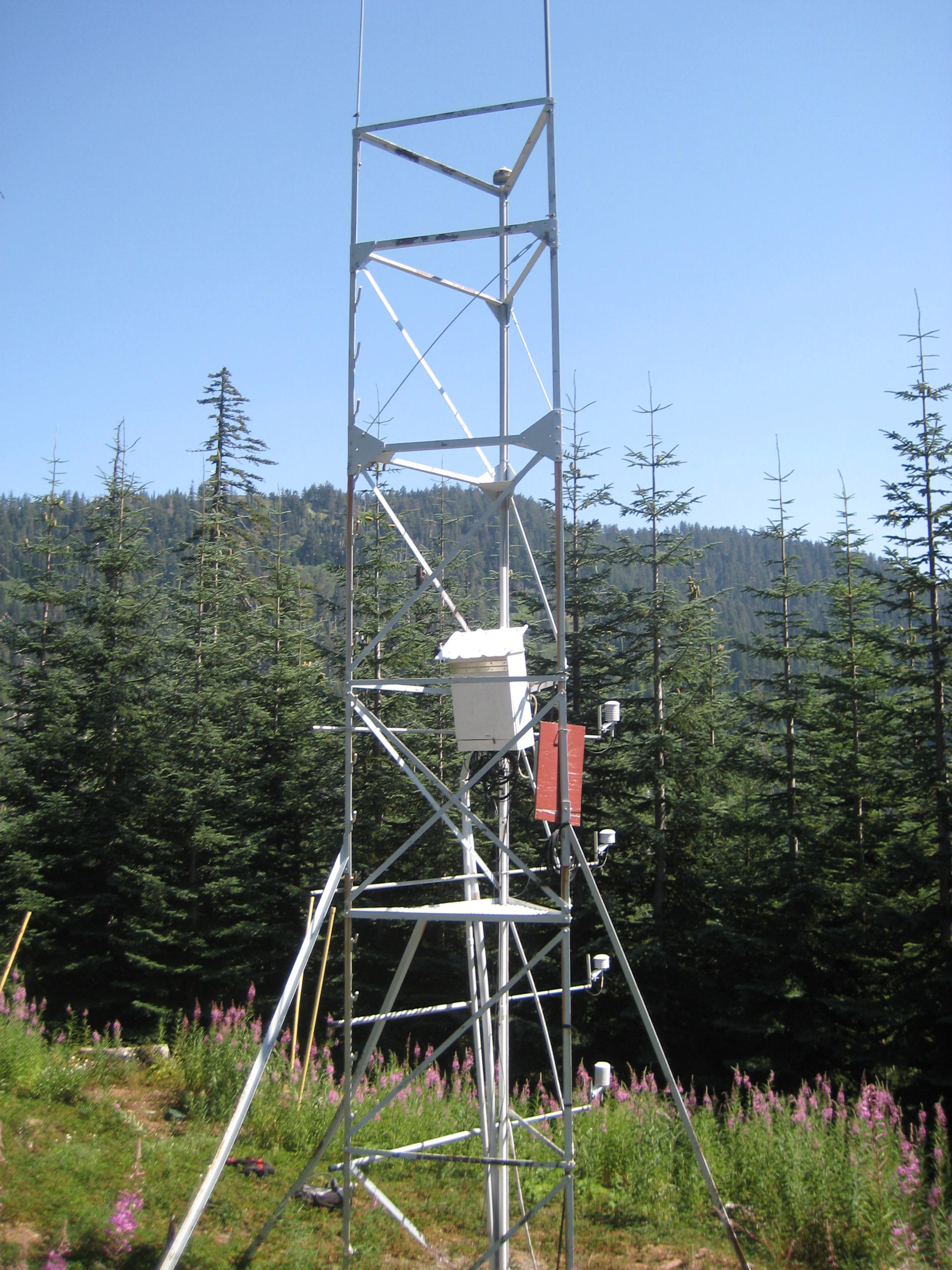
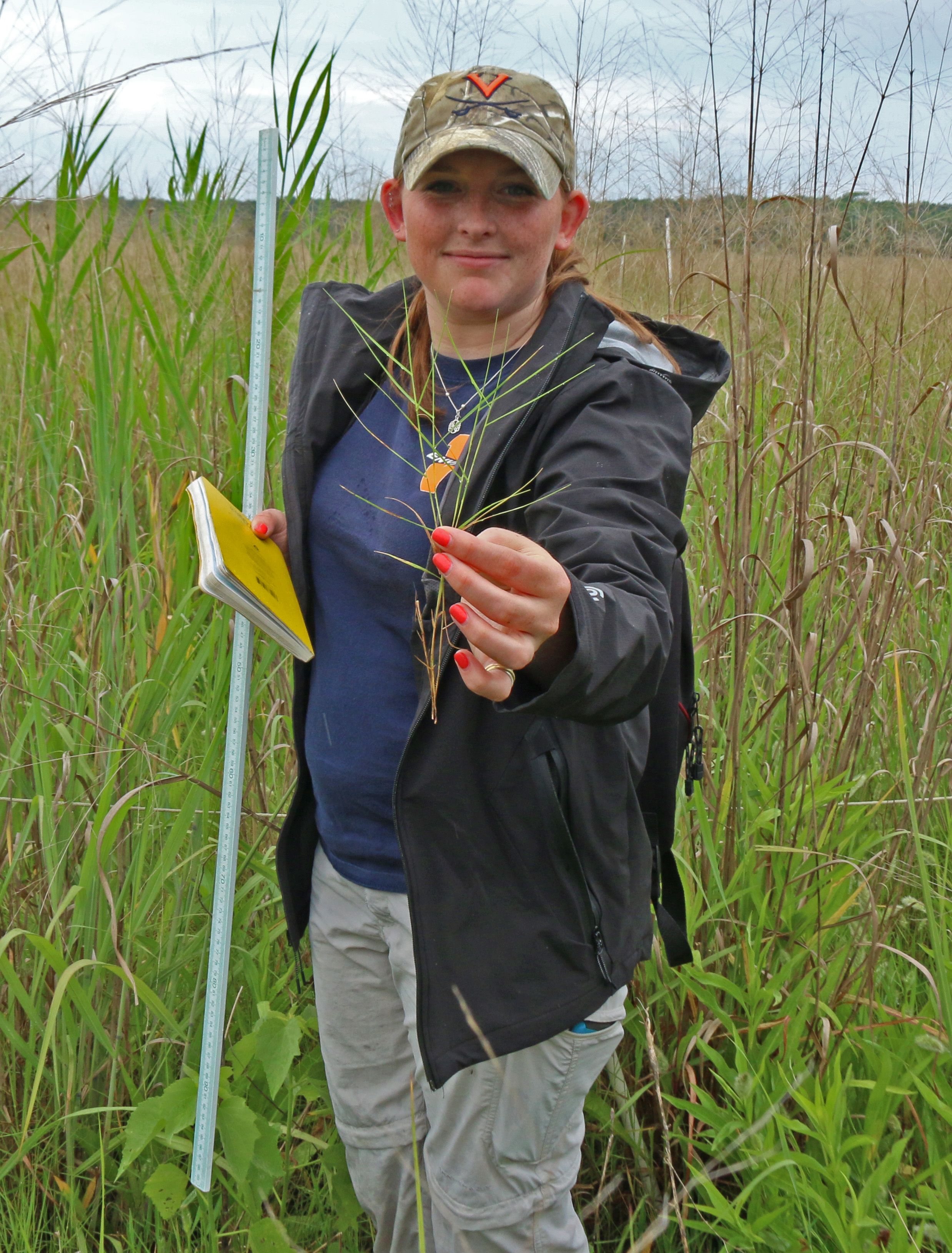
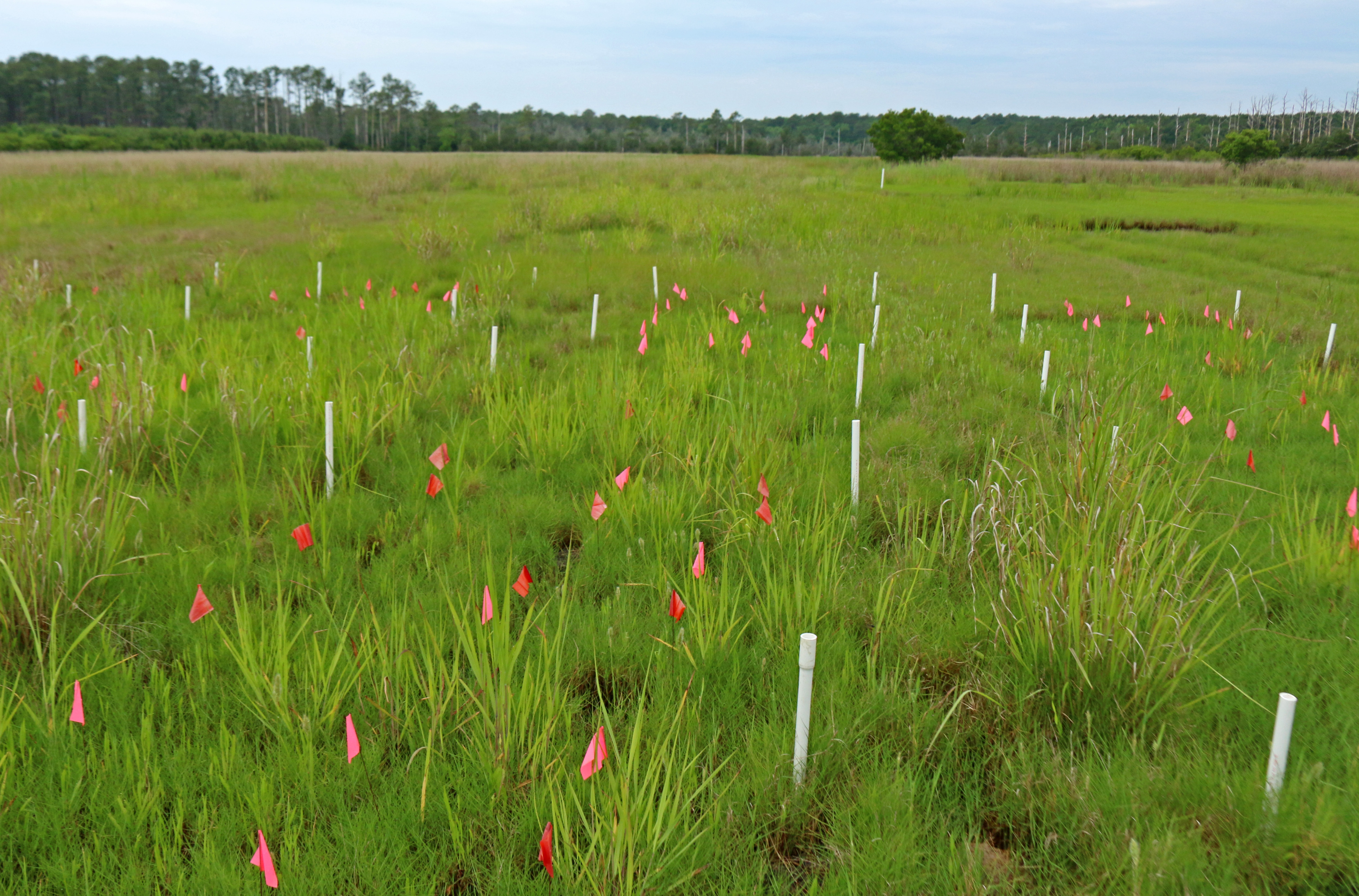
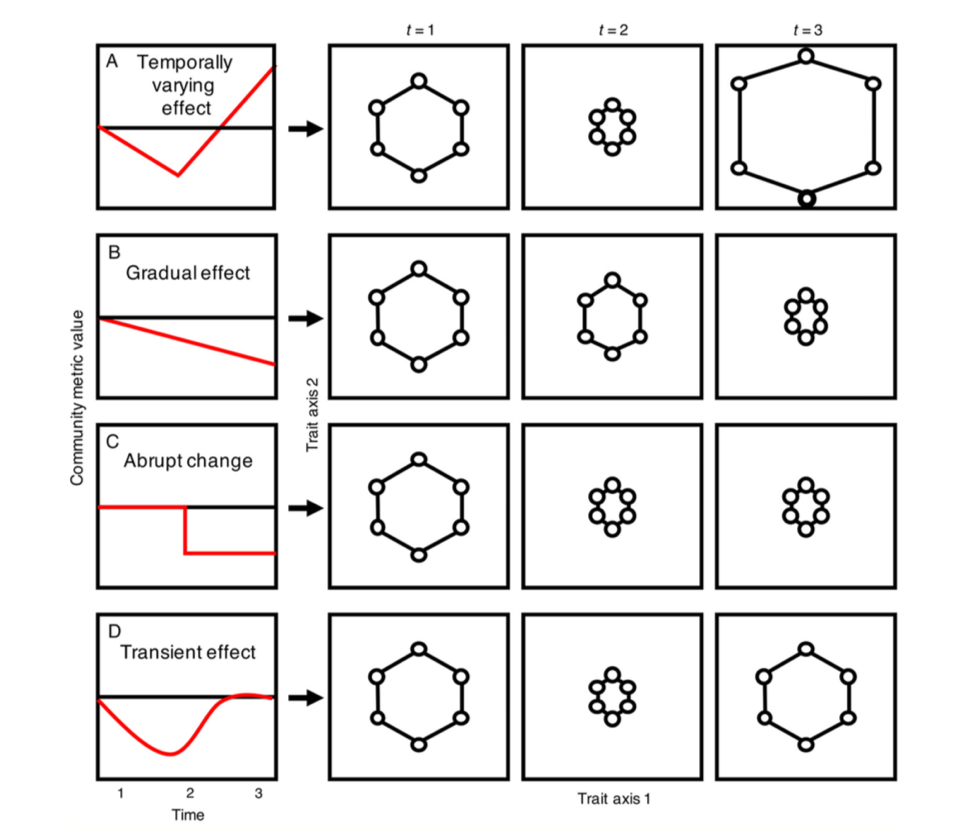
How-and when-do ecosystems change character? Are those shifts reversible? And what signs might precede them? Such questions are hard enough to answer in a single place. One might think that incorporating different kinds of ecosystems would only complicate the problem. But a group of scientists in the Long-Term Ecological Research Network is finding a remarkably consistent pattern by combining models and data across several long-term ecological experiments.










 E Zambello/LTER-NCO
  E Zambello/LTER-NCO
 CC BY-NC 2.0" data-envira-gallery-id="site_images_45206" data-envira-index="13" data-envira-item-id="47656" data-envira-src="https://lternet.edu/wp-content/uploads/2017/11/23100091611_26762a1fac_k-600x400.jpg" data-envira-srcset="https://lternet.edu/wp-content/uploads/2017/11/23100091611_26762a1fac_k-600x400.jpg 600w" data-title="23100091611_26762a1fac_k" itemprop="thumbnailUrl" data-no-lazy="1" data-envirabox="site_images_45206" data-automatic-caption="23100091611_26762a1fac_k - Henk Sijgers. CC BY-NC 2.0" data-envira-height="225" data-envira-width="300" />