Melissa Frost | Kellogg LTER to Konza LTER

headshot of a smiling woman with shoulder-length strawberry-blond hair over an image of prairie grasses in the sunrise

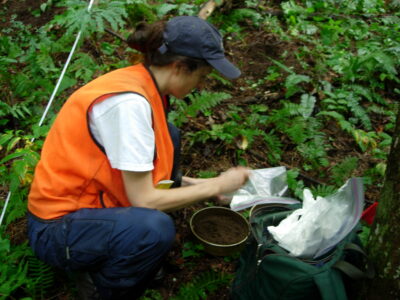
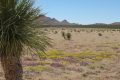
Melissa plans to visit the Konza Prairie (KNZ) LTER to observe a field trip in action and get inspiration for what could be possible in the KBS partnership network and schoolyard research. She is planning long-term data collection at a distributed network of schoolyards and would like to base her approach on that taken by KNZ Education Manager Jill Haukos.
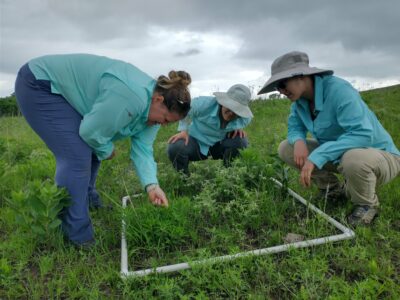
The functional groups of prairie strip people

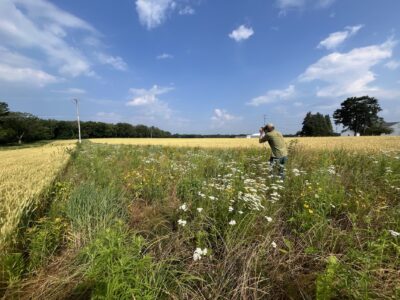
Rachel Drobnak describes the “functional groups” of people who make prairie strip ecology such an exciting and rewarding field to work in at Kellogg Biological Station

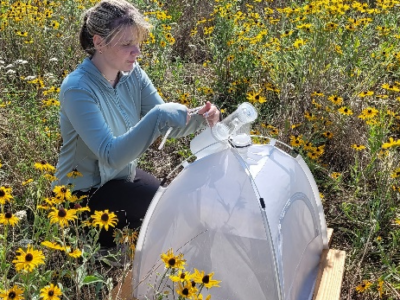
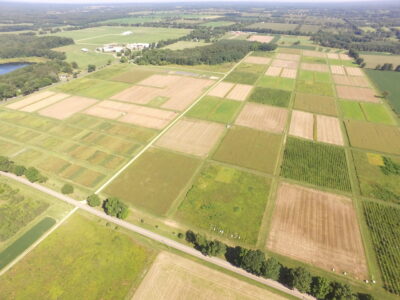
Planted prairie strips are safe for native pollinators

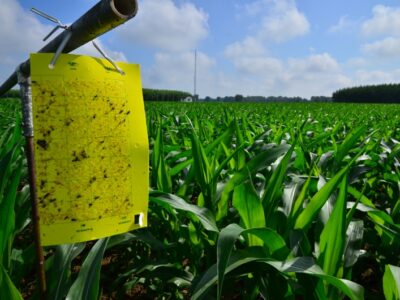
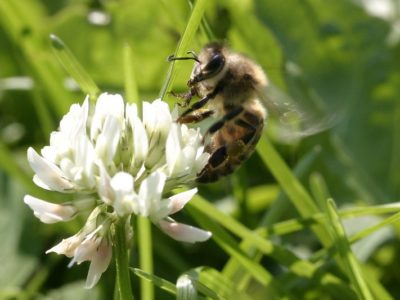
Strips of native prairie planted within agricultural monocrops are not an “ecological trap”  for native pollinators, but also do not reduce the runoff of insecticides that may pose a threat.

In “The Conversation”: Climate change is already disrupting US forests and coasts

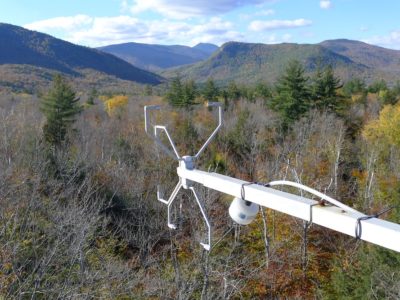
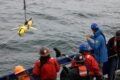
Scientists have been consistently documenting environmental changes at research sites like this one in the Cascade Mountains for decades. US Forest Service Michael Paul Nelson, Oregon State University and Peter Mark Groffman, CUNY Graduate Center Record-breaking heat waves and drought have left West Coast rivers lethally hot for salmon, literally cooked millions of mussels and… Read more »

Kellogg LTER Researchers Play Key Role in New Biology Integration Institute

Many ecological functions depend on symbiosis, where two organisms come together to form emergent traits neither displays alone. Microbes like bacteria and viruses are often at the center of these interactions. A new $12.5M National Science Foundation (NSF) grant will fund an ambitious endeavor to synthesize biological data across several disciplines to study the role… Read more »