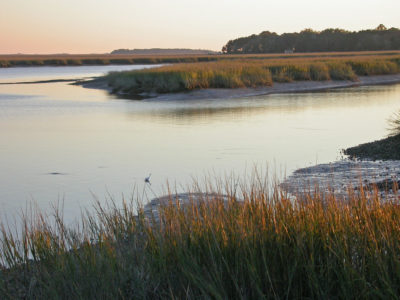
Sea-level Rise and Storms are Altering Salt Marshes
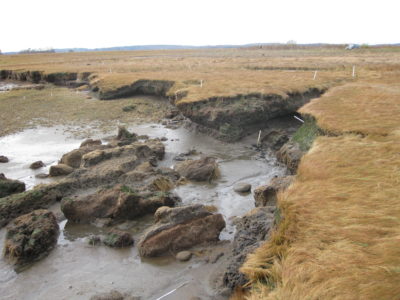
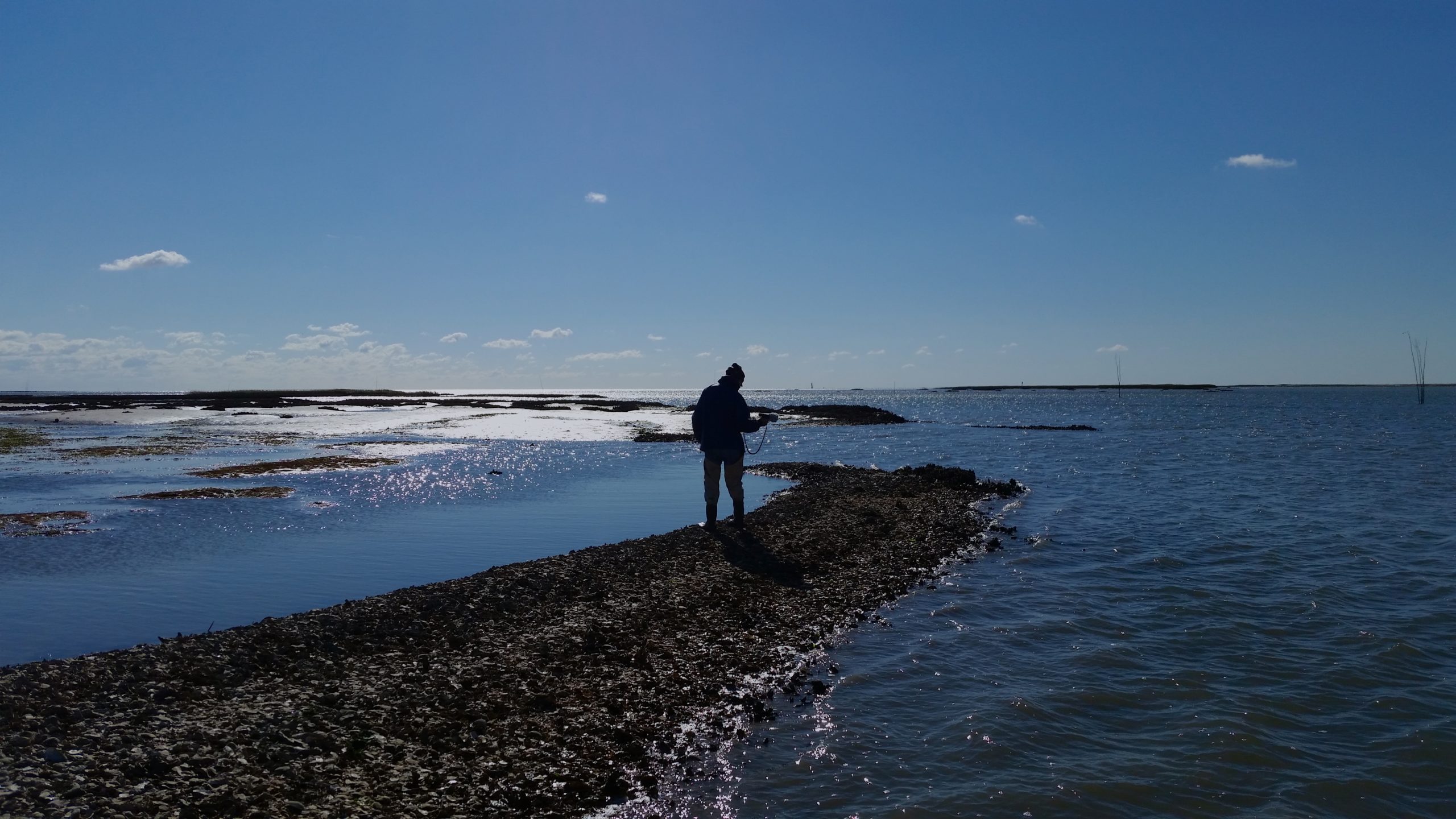
Credit: Sergio FagherazziFor marshes where rates of sea level rise exceed about 3 mm/year, external sediment supply is critical to marsh survival. Although riverine sediment inputs to the Great Marsh are low, PIE LTER research has shown that marsh edge erosion during moderate intensity storms currently supplies enough sediment to maintain the marsh platform. However,… Read more »

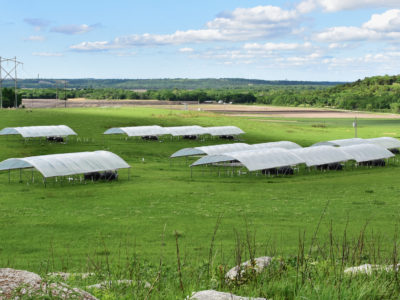
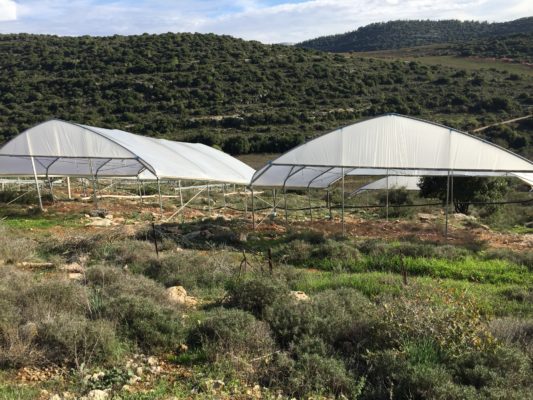 International Drought Experiment" data-envira-gallery-id="site_images_82142" data-envira-index="5" data-envira-item-id="82314" data-envira-src="https://lternet.edu/wp-content/uploads/2020/01/Matta_rainout-533x400.jpeg" data-envira-srcset="https://lternet.edu/wp-content/uploads/2020/01/Matta_rainout-533x400.jpeg 533w, https://lternet.edu/wp-content/uploads/2020/01/Matta_rainout-scaled.jpeg 2560w" data-title="Matta_rainout" itemprop="thumbnailUrl" data-no-lazy="1" data-envirabox="site_images_82142" data-automatic-caption="Matta_rainout -
  E Zambello/LTER Network Office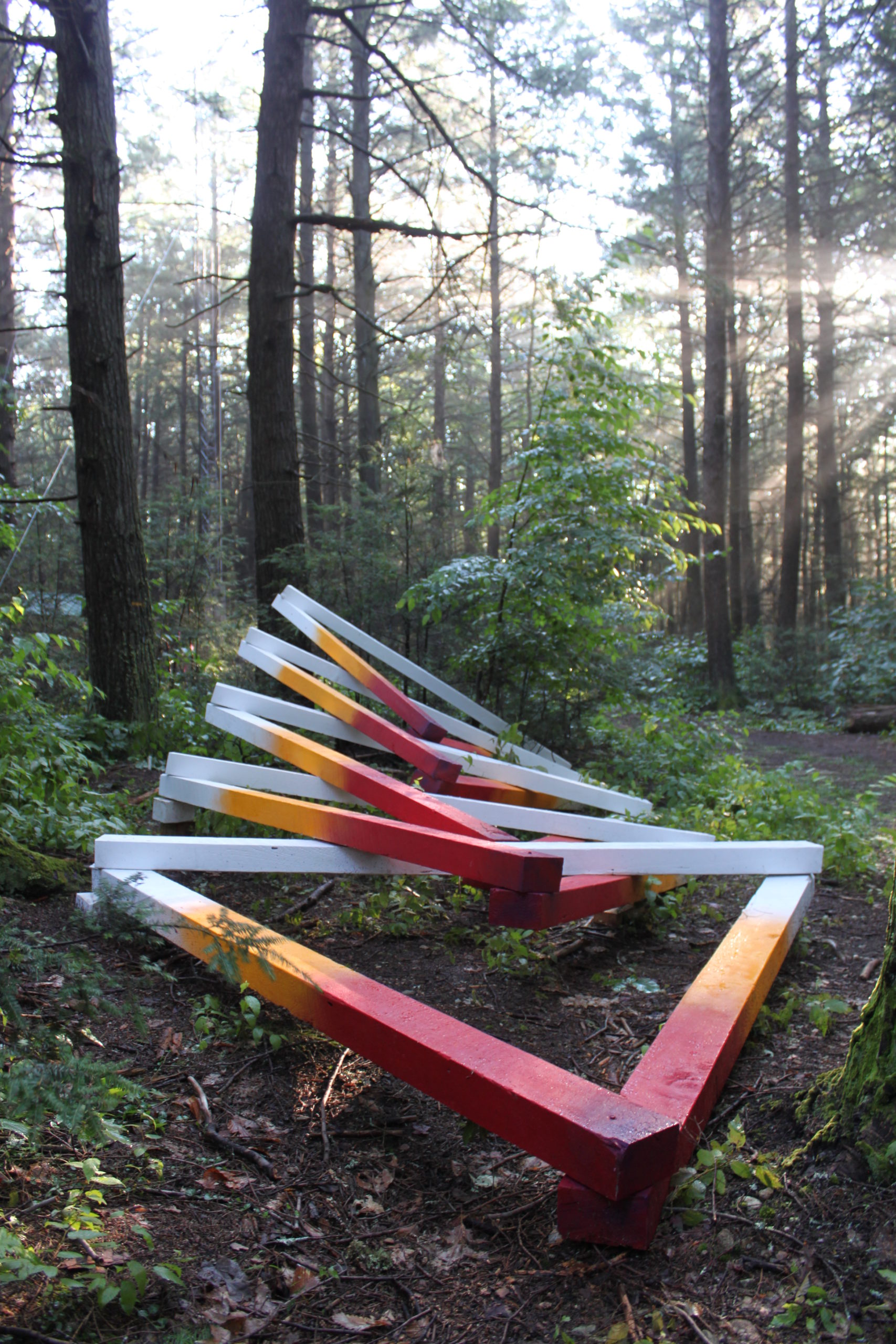
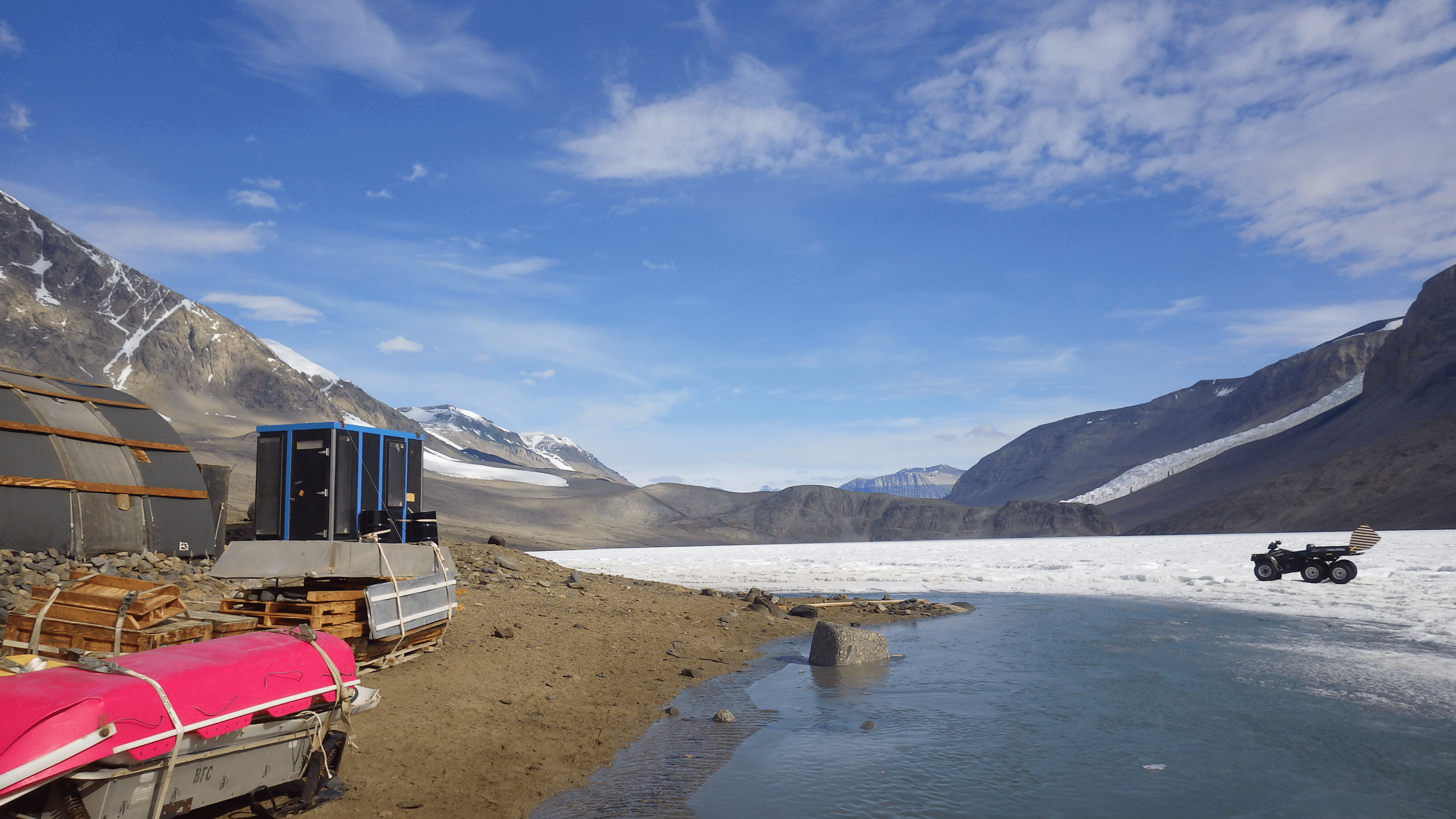
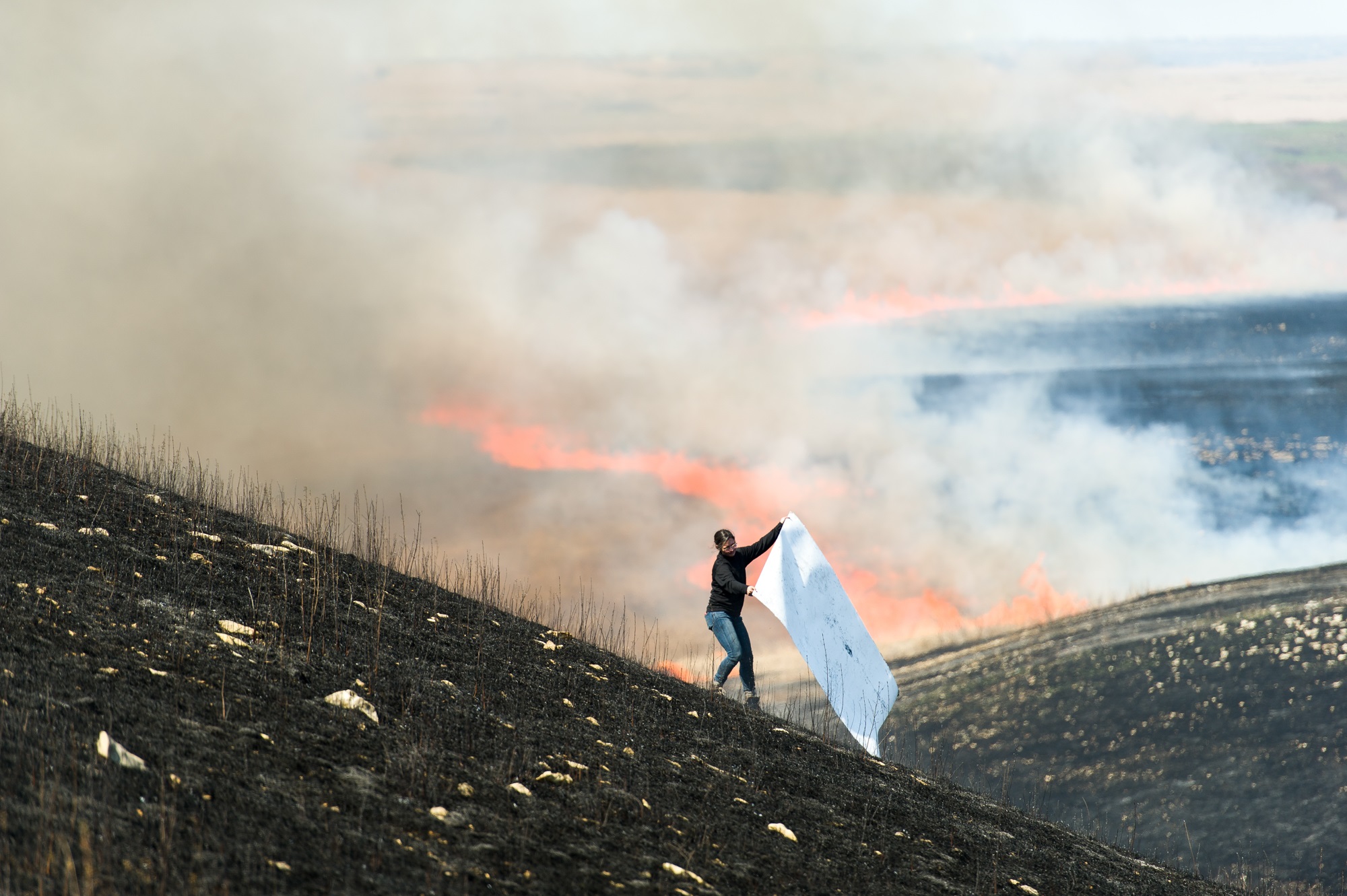



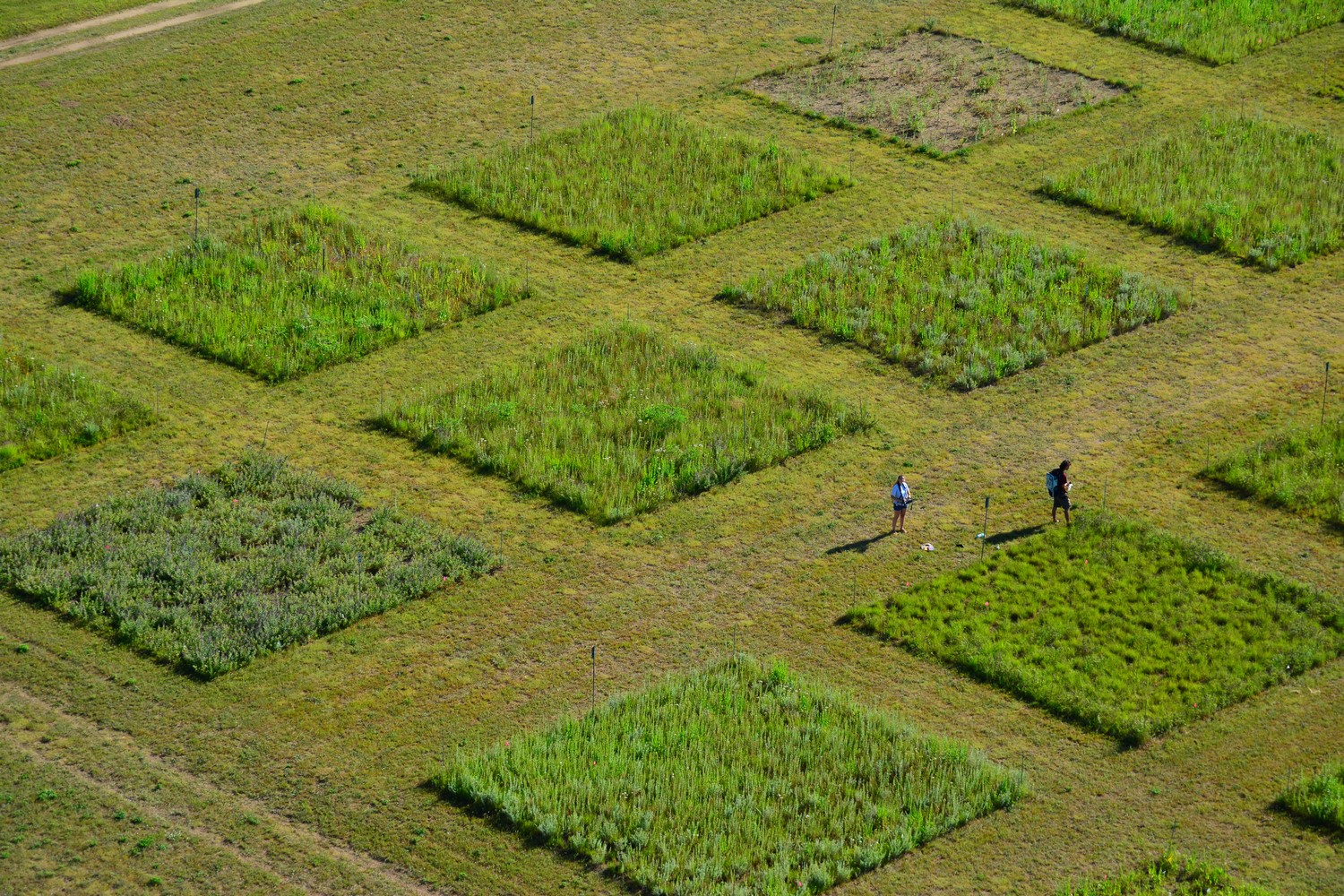
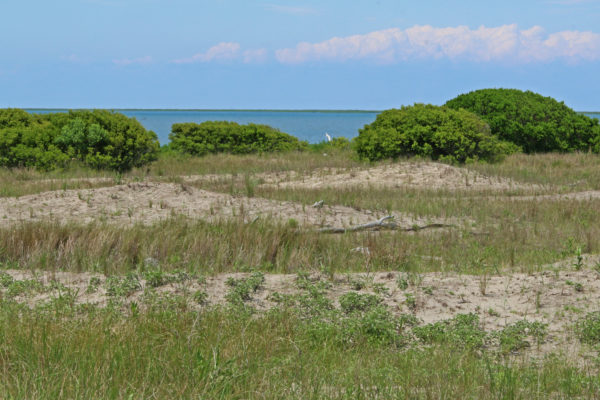 E Zambello/LTER-NCO
 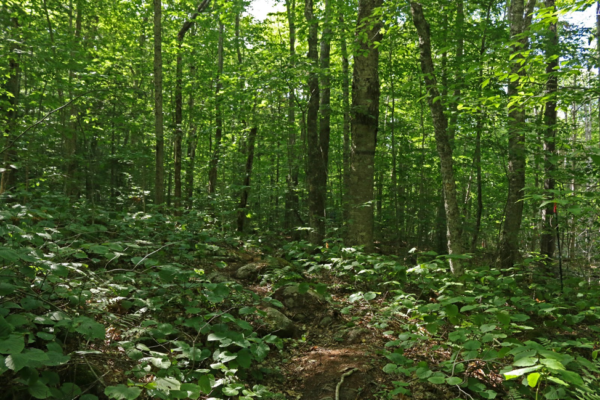 E Zambello/LTER-NCO
 JLS Photography Alaska via Flickr
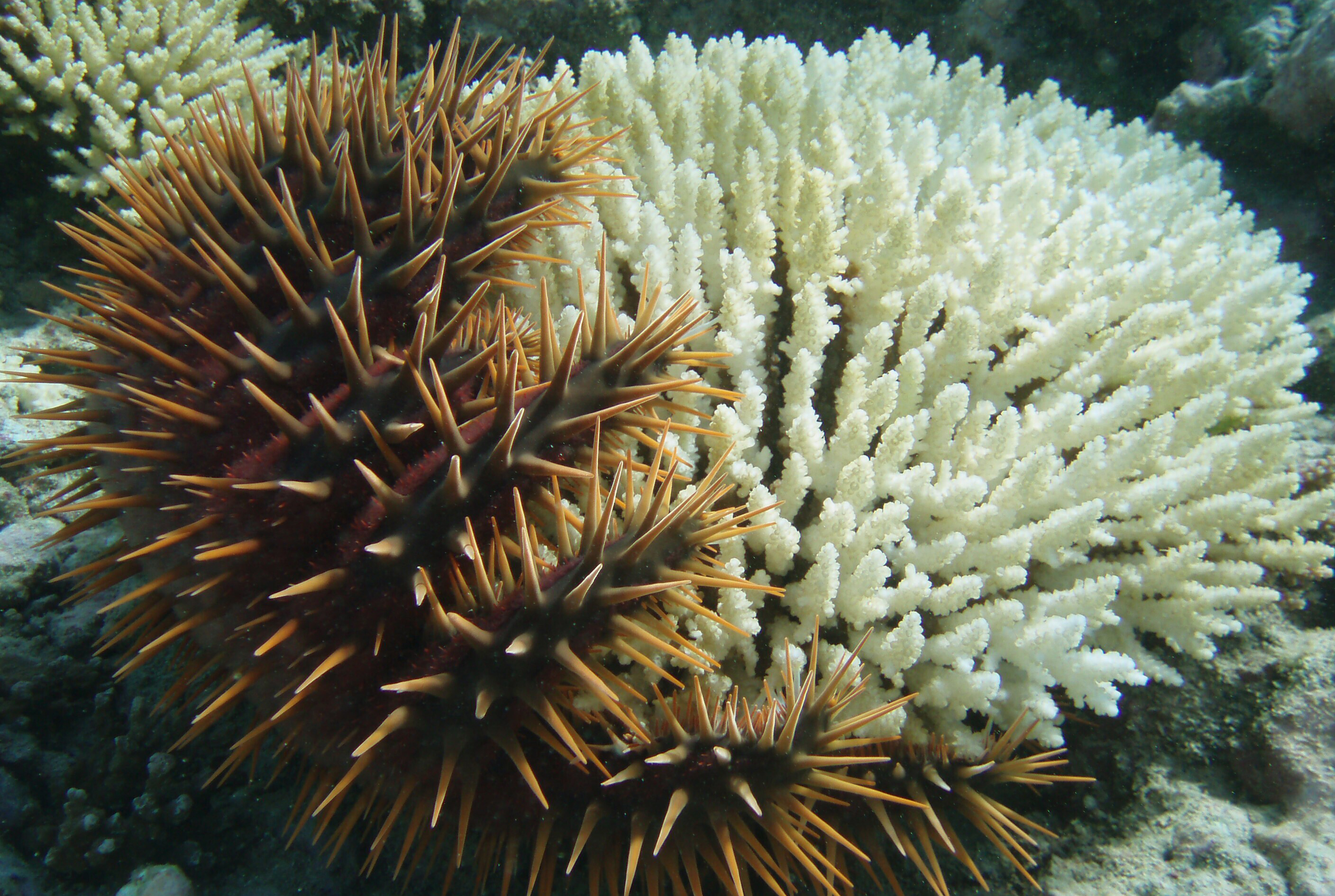
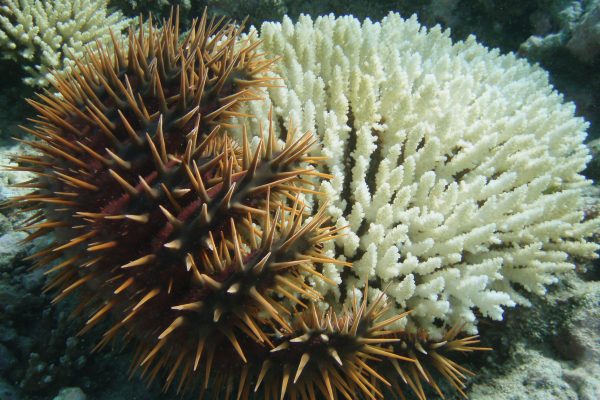 CC BY-SA 4.0" data-envira-gallery-id="site_images_82142" data-envira-index="30" data-envira-item-id="46180" data-envira-src="https://lternet.edu/wp-content/uploads/2017/11/P7193263-copy-600x400.jpg" data-envira-srcset="https://lternet.edu/wp-content/uploads/2017/11/P7193263-copy-600x400.jpg 600w, https://lternet.edu/wp-content/uploads/2017/11/P7193263-copy.jpg 2816w" data-title="Crown-of-thorns Sea Star" itemprop="thumbnailUrl" data-no-lazy="1" data-envirabox="site_images_82142" data-automatic-caption="Crown-of-thorns Sea Star -
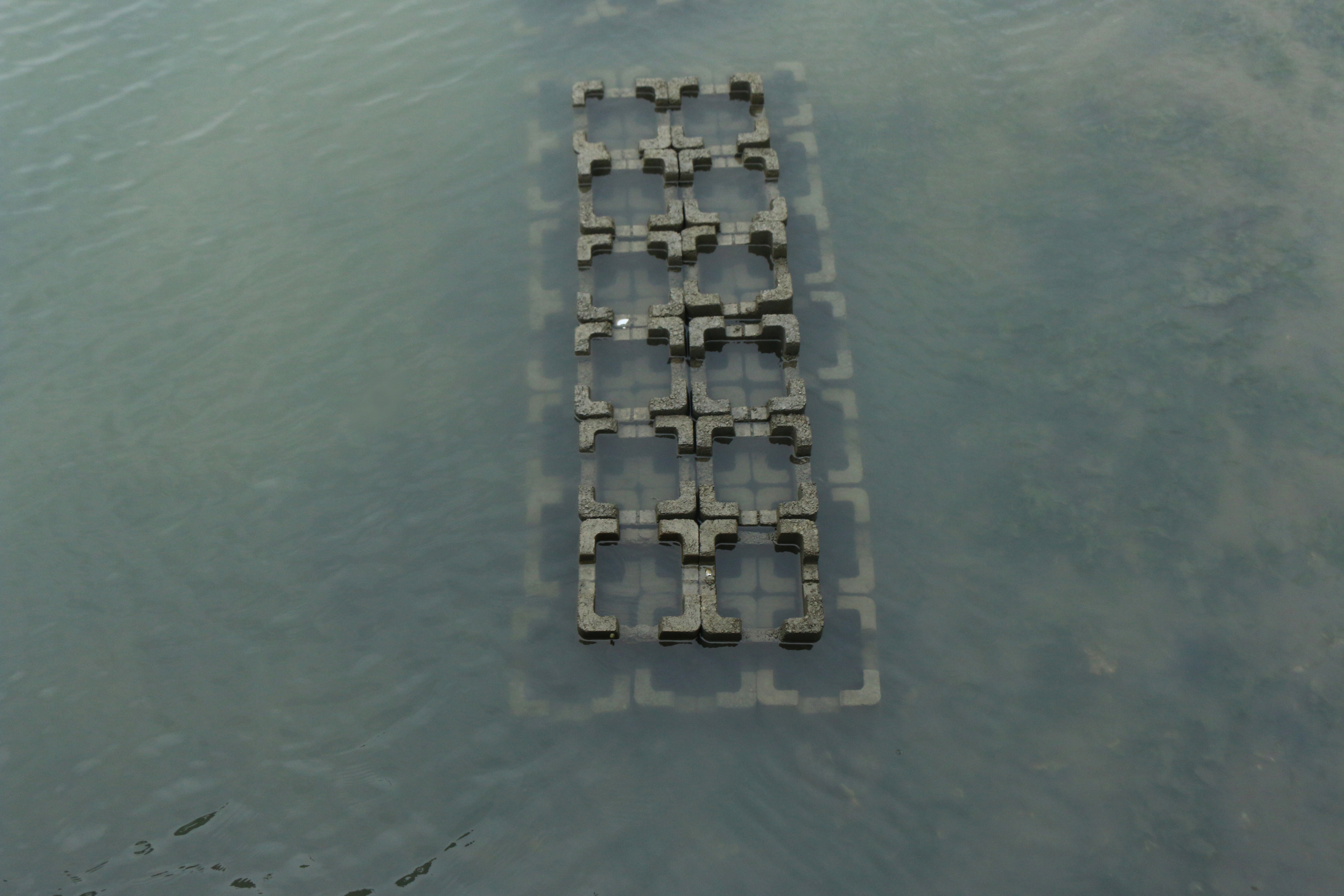
 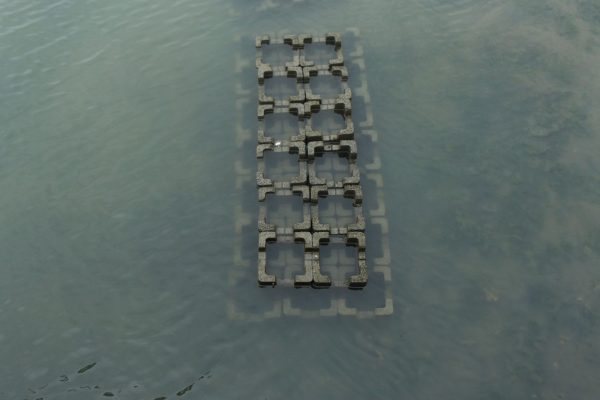 Erika Zambello/LTER NCO. CC BY-SA 4.0." data-envira-gallery-id="site_images_82142" data-envira-index="31" data-envira-item-id="46166" data-envira-src="https://lternet.edu/wp-content/uploads/2017/11/vcr-2-600x400.jpg" data-envira-srcset="https://lternet.edu/wp-content/uploads/2017/11/vcr-2-600x400.jpg 600w, https://lternet.edu/wp-content/uploads/2017/11/vcr-2.jpg 5472w" data-title="vcr-cement-blocks" itemprop="thumbnailUrl" data-no-lazy="1" data-envirabox="site_images_82142" data-automatic-caption="vcr-cement-blocks - Submerged cement blocks rest below the sea level. Erika Zambello/LTER NCO. CC BY-SA 4.0." data-envira-height="200" data-envira-width="300" />