SBC LTER researchers respond in force to the Refugio oil spill

Traveling west along the Gaviota coast on the afternoon of May 19, 2015, Santa Barbara Coastal (SBC) Long Term Ecological Research (LTER) scientists Mark Page and Jenny Dugan and graduate student Nicholas Schooler first noticed a very strong smell of oil starting about a mile east of Refugio State Beach. They decided to park along… Read more »
Harvard Study Shows Sprawl Threatens Water Quality, Climate Protection, and Land Conservation Gains in Massachusetts

Important findings reveal promise and peril of land-use decisions Petersham, MA – A groundbreaking study by Harvard University’s Harvard Forest Long Term Ecological Research (LTER) program and the Smithsonian Institution reveals that, if left unchecked, recent trends in the loss of forests to development will undermine significant land conservation gains in Massachusetts, jeopardize water quality,… Read more »

Long-term research reveals how climate change is playing out in real ecosystems

FOR IMMEDIATE RELEASE Media Contact: Lori Quillen (quillenl@caryinstitute.org), (845) 677-7600 x121 DECEMBER 1, 2012 NORTH WOODSTOCK, N.H.—Around the world, the effects of global climate change are increasingly evident and difficult to ignore. However, evaluations of the local effects of climate change are often confounded by natural and human induced factors that overshadow the effects of… Read more »

Plum Island study says nutrients likely causing salt marsh loss

Scientists studying salt marshes at the Plum Island Ecosystem (PIE) Long Term Ecological Research site have long wondered why the marshes were disintegrating and dying at a faster rate than normal. Writing in the journal Nature this week the scientists, led by Linda Deegan of PIE and the Marine Biological Laboratory (MBL) in Woods Hole,… Read more »

Native plants in urban yards offer refuge to local birds

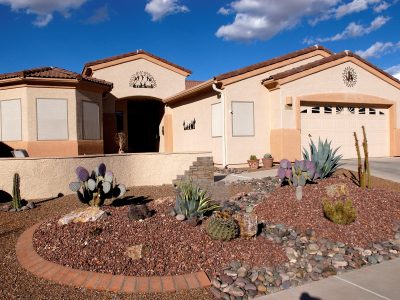
A study by scientists at the Central Arizona-Phoenix (CAP) Long Term Ecological Research (LTER) site found that residential yards in urban areas with native vegetation support local bird species better than those with traditional grass lawns, essentially providing “mini refuges.” The study, published in the online journal PLoS ONE, looked at residential landscapes in Phoenix,… Read more »

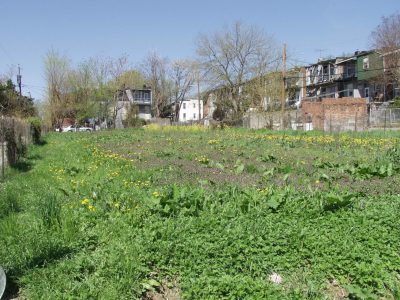
Mapping Urban Lands

photo6.jpg

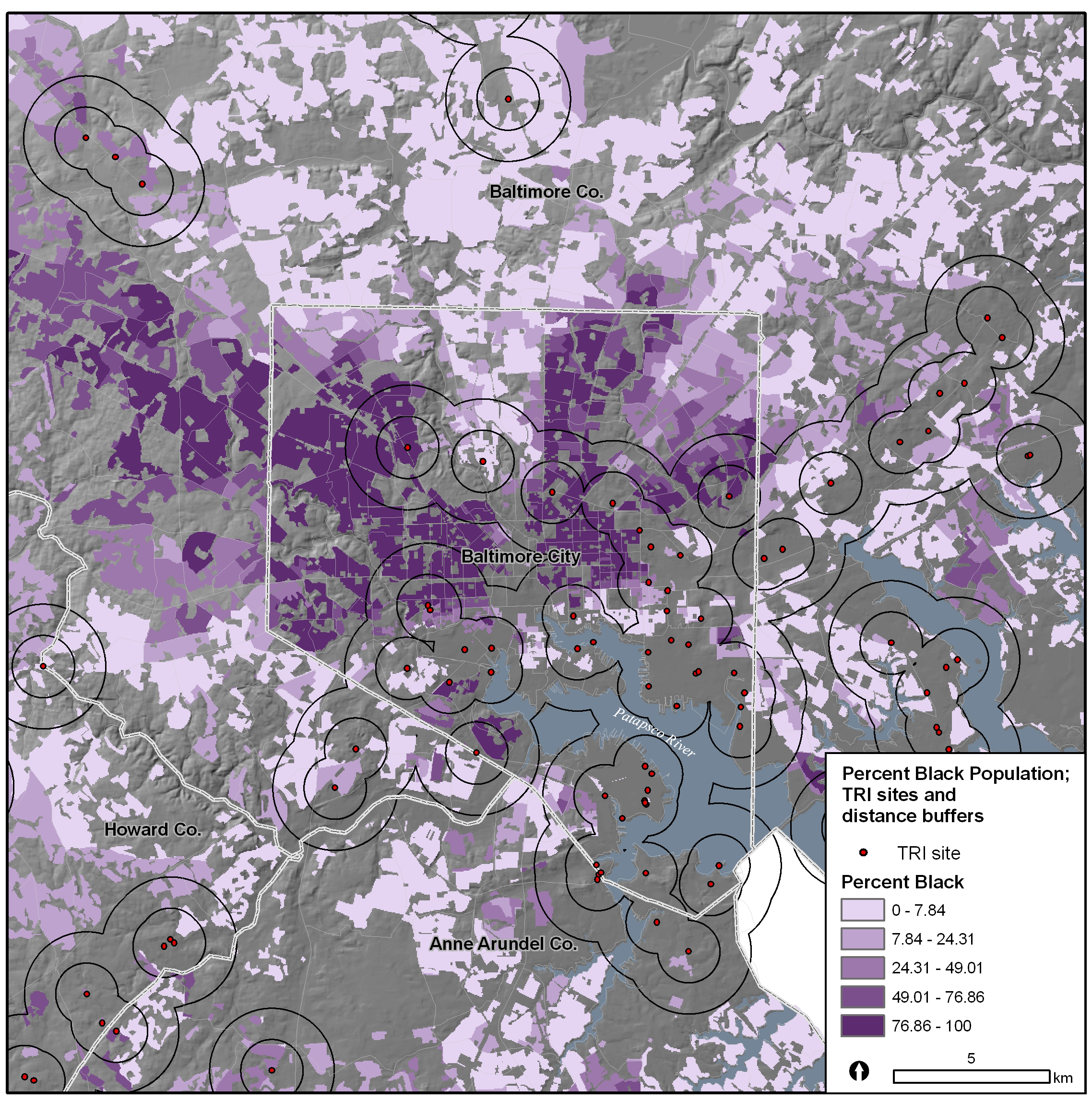
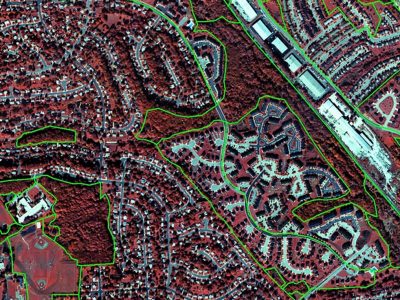
BES scientists have pioneered a new system for classifying the diverse land types in urban areas. This groundbreaking land classification system more accurately reflects ecological processes in cities and suburbs and better predicts potential changes in water quality and bird diversity — strengthening the toolbox for urban land managers.

Islands of Green

photo4.jpg

BES scientists have found that cities are more biologically diverse than commonly thought and that large green spaces, small parks, yards, and vacant lands shelter new species of soil invertebrates, rare plants, and significant bird diversity. These studies underscore the importance of maintaining islands of green in urbanizing landscapes.

Gallery