Leveraging Generative AI: Applications for the LTER Network

These examples offer a practical roadmap for integrating GenAI into research workflows to boost efficiency, reduce manual effort, and improve overall productivity.

These examples offer a practical roadmap for integrating GenAI into research workflows to boost efficiency, reduce manual effort, and improve overall productivity.
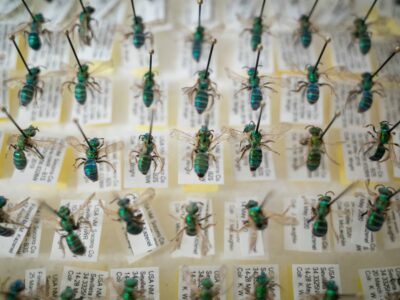
Boxes and boxes of bees Humble beginnings The magnitude of an extensive specimen collection doesn’t really hit until you see it. At the University of Mexico’s Museum of Southwestern Biology, research scientist Jade McLellan pulls out one box of bee after another. There are shelves stacked to the ceiling. Some boxes are labeled with things… Read more »

Conventional Commits provide a framework for better commit messages using Git, with a set of standards that relay what kind of code changes occur at each step.

How does an unaffiliated team wind up presenting a poster on decades of LTER data? It begins, as it so often does, with a need for data.


Biological collections are a valuable resource to long-term sites, but logistically challenging to maintain. The authors present an argument for supporting biological collections across sites.
The LTER Network Office is proud to announce a new R package: ltertools!
Appreciating the history, work, and future of the Long-Term Ecological Research Network’s data repository, the Environmental Data Initiative.
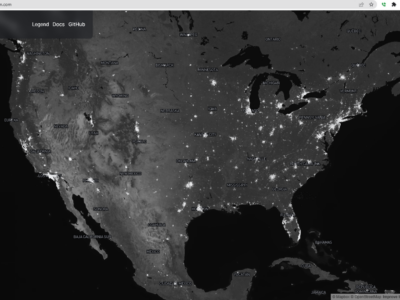
LoRa is a digital radio technology designed for Internet of Things (IOT) applications. Here’s a tech test by John Porter.
This 30 year retrospective highlights how data management at the LTER has grown, pulling funny and interesting anecdotes for us to enjoy.