Poster: LTER Network Poster
LTER Network poster presented at the NSF symposium, March 21, 2017

LTER Network poster presented at the NSF symposium, March 21, 2017
Scenarios can help communities think about alternative futures, but using them to drive decisions requires dat
Air pollution control efforts have succeeded in reducing sulfur dioxide and nitrogen oxide emissions, but decades of acid rain have leached calcium and magnesium from Northeastern forest soils. These changes have increased the mobility of dissolved organic matter, and possibly altered soil organic matter dynamics, altering the long-term trajectory for forest ecosystems. What does the acid rain story say about when, where, and how recovery is possible?
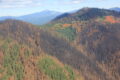
About 30% of global carbon stocks reside in the vegetation and deep, carbon-rich soils of Arctic tundra and boreal forest biomes. Wildfires—which are becoming more frequent with warmer and drier weather in the Arctic—have the potential to either stabilize or accelerate regional and global warming through carbon feedbacks.
Introduction to the 2017 LTER Symposium at NSF, but Executive Board Chair Peter Groffman.
Coastal habitats are the first line of defense against sea-level rise and storms. At the same time, they are vulnerable to change, and can be pushed past tipping points and lost. A long-term, landscape-scale experiment with seagrass at Virginia Coast Reserve LTER is the first of its kind to show the role of restoration in reinstating ecosystem services, particularly ‘blue carbon’ sequestration.
NSF Solicitation (2016) for new LTER sites.
Video file of scheduled 2015 NSF LTER Mini-Symposium talk.
Marsh Equilibrium Theory: Feedbacks and Tipping Points – James Morris, Baruch Istitute, University of South Carolina, Plum Island Ecosystems LTER