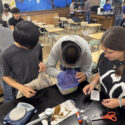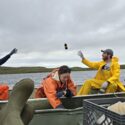
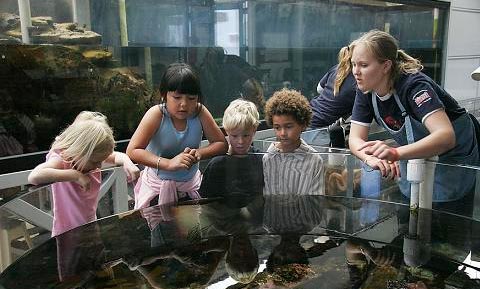
Long Term Ecological Research (LTER) Education Program — referred to as “Schoolyard LTER” — is dedicated to developing and sharing best practices in training, teaching, and learning about the Earth’s ecosystems. Each site receives an education allocation, the impact of which is magnified many times through partnerships with local museums and non-profit organizations, environmental educators, and school systems.
Because LTER sites are able to maintain a persistent presence in the community over many years, researchers and education specialists are able to develop long-lasting relationships with local and regional educators and their students. Working in partnership with teachers and university faculty, site-based educators develop science curriculum materials that draw on the sites’ extensive data resources, provide immersive research experiences for teachers and undergraduate students, and give many curious young minds their first chance to poke around in nature and start finding their own answers.
Data Literacy
LTER data provides many examples of how to find, organize, clean, analyze and plot real data while also being accessible to even young students, who can easily grasp the meaning of changes in plant and animal populations, for example. The Data Nuggets program (developed at the Kellogg Biological Station LTER site) disseminates free classroom activities, co-designed by scientists and teachers and derived from authentic science research projects, that provide opportunities to look for patterns in the data and to develop explanations about natural phenomena using the scientific data from the study.
Data Jams meld data analysis skills with creative activities, making learning especially fun and accessible for middle-school students.
K-12 Education Resources
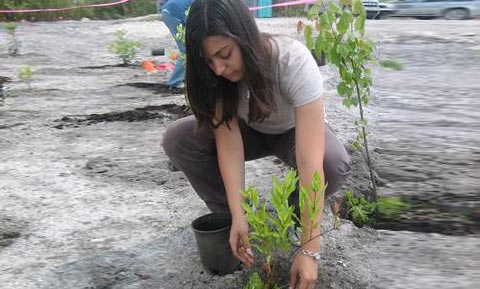
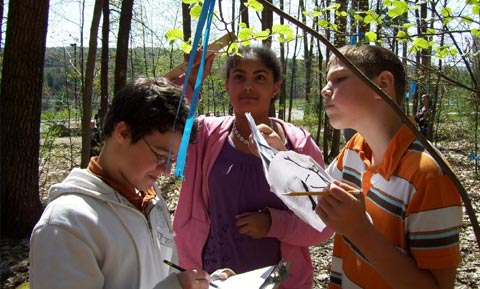
Education Stories from across the Network
-

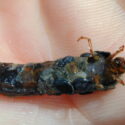
The caddisfly stole my heart
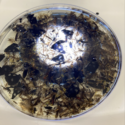
Caroline McCoy’s two-years as an ARETS Fellow impacted and expanded her approach to teaching science profoundly. I was inspired to learn more and it was the caddisfly that stole my heart. The caddisfly would end up becoming front and center in the lesson plan I would be writing.
-
What would my project be?
A Minnesota teacher learns about ecological phenomena in the Arctic and connects them to her students — igniting passion and curiosity.
-
Lessons from Long-Term Data: An ARETs Experience at the H.J. Andrews LTER
now design lessons where students analyze real datasets, compare short-term and long-term trends, and consider how disruptions—such as wildfire or limited field access—can influence scientific conclusions.
-
Clotheslines, Hair Ties, and Tape Measures: Low Tech Tools for the Win
“Science and data collection doesn’t always have to have flashy gizmos and light speed computers… Methodology, consistency, simple tools and flexible minds are gold in the field. Get out there!”
-
What have sea urchins got to do with climate change?
Students engaged in a productive struggle to come to terms with what data needed to be graphed before they could answer the questions.
-
Returning Home to California’s Kelp Forests
As a native of Santa Barbara, I grew up exploring the tidepools, splashing in the waves, and kayaking the waters that are now part of the Santa Barbara Coastal-LTER. Now, thanks to the ARETs program, I am better equipped to share my knowledge about this special area with my students.
-
Our second summer, we were not evacuated!
—by Rebecca Hawk If you step inside a classroom, there’s a good chance you will meet a group of funny and interesting kids and an adult who loves spending their days with them. This adult probably joined the education field with a heart full of hope or a fond memory of their schooling days. Sometimes…
-
Permafrost and Passion: How Two Summers in the Arctic Reignited My Love for Teaching
My summers at Toolik Field Station reaffirmed a simple truth: teaching and research are intertwined. Authentic field experiences can transform educators and students alike, inspiring curiosity, critical thinking, and a lifelong passion for discovery.
-
Bringing seeds of wonder and curiosity from the Arctic Circle to a Minnesota Classroom
As a teacher, students often think we ‘know’ everything or should be able to explain every possible question they pose. It was refreshing to remember how science begins with ‘not knowing’. This renewed appreciation for the process of inquiry, that science is a way of asking about the world around us, was a humbling encounter.
-
2024 LTER Year in Review: Generating Momentum
In 2024, we invested in people, in science, and in our ability to impact others. We hope we will carry this momentum into the next decade.