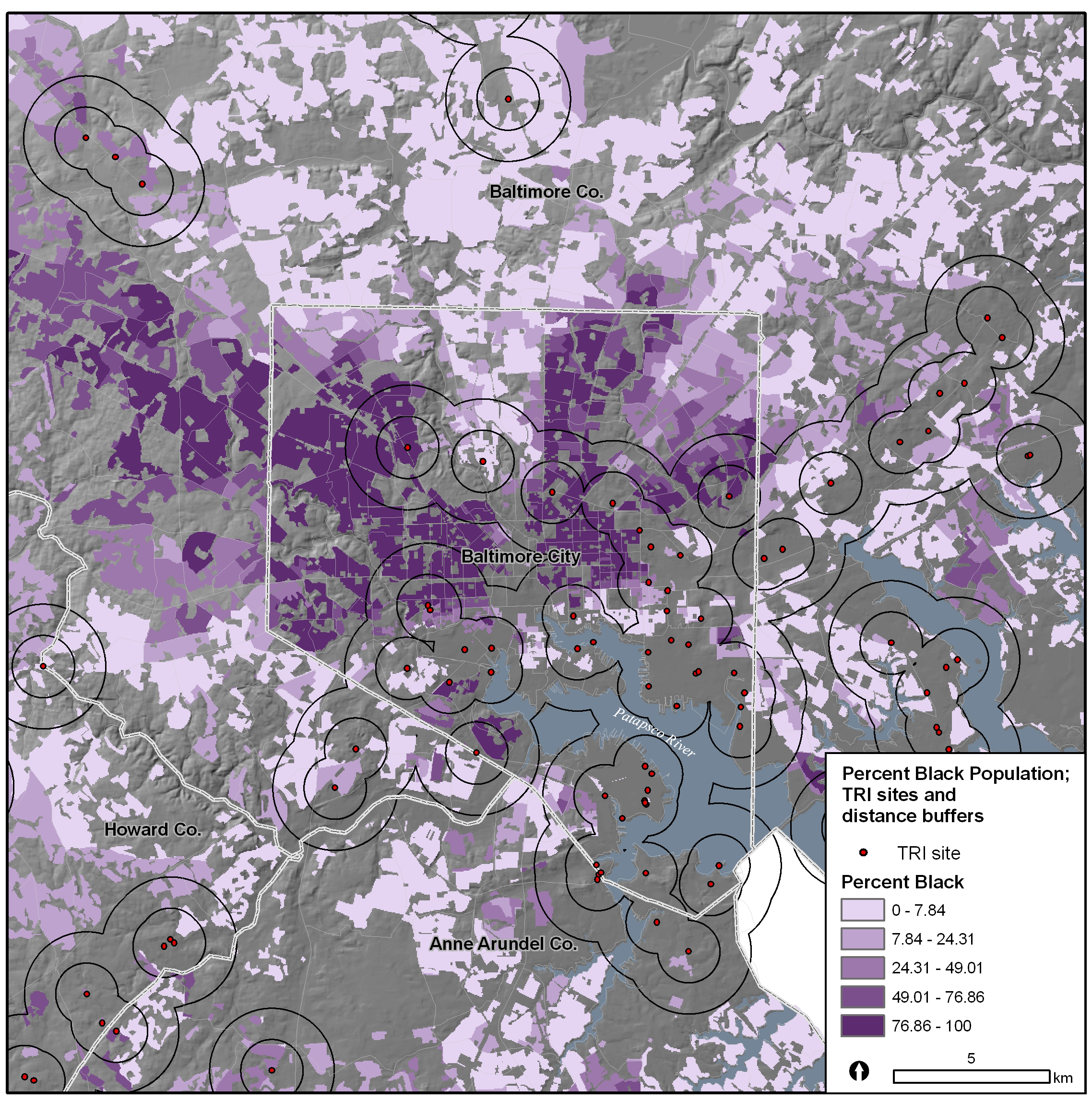
A new paper from the Minneapolis-St. Paul LTER shows that properties that had a racial covenant have better access to environmental benefits than those without.
On Monday, November 8, 2021 each LTER site will give a 5 minute lightning talk about a current research initiative within the overarching theme of human-environment interactions. Lightning talks are open to the public, so please share widely! There are three hour-long sessions throughout the day, with time for mingling and follow-up questions interspersed. 9… Read more »
Credit: Laura Templeton We’ve all spent the majority of 2020 stuck inside. As we’ve been staring out our windows longing to return to our ‘normal’ lives, where we can meet co-workers in the coffee room or catch up with our favorite podcasts on our commute, we might have noticed some interesting wildlife behavior. Maybe we… Read more »
Phytoplankton bloom dynamics at Martha’s Vineyard Coastal Observatory (MVCO) are sensitive to temperature variability on both seasonal and decadal scales. Multi-year sampling has shown that the genetic background of phytoplankton is diverse and changes rapidly in coastal shelf waters. Ongoing NES LTER observations emphasize the complementary nature of multiple approaches (sequencing, imaging, and flow cytometry)… Read more »
Drought in tropical wet forest alters greenhouse gas production by soils, affects key nutrient dynamics, and reduces forest productivity. Downscaling studies at LUQ LTER support global models that predict declining precipitation through the end of the century. Current ecosystem drying and warming model projections predict that net forest ecosystem productivity may fall to zero by… Read more »
Credit: Andrew RobisonDespite expanded suburban development, nitrogen fluxes to the estuary have remained steady since the early 1990s. River flow, which is becoming more variable along with climate, largely determines nitrogen retention. Imbalances between nutrient supply and demand reduce nutrient regulation during higher flows. Work at PIE LTER helped lead to a generalized framework for… Read more »
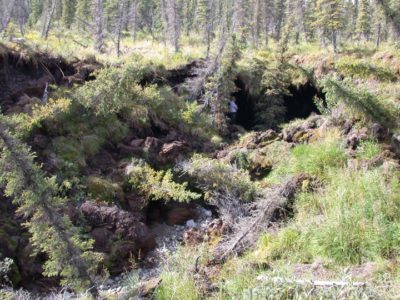
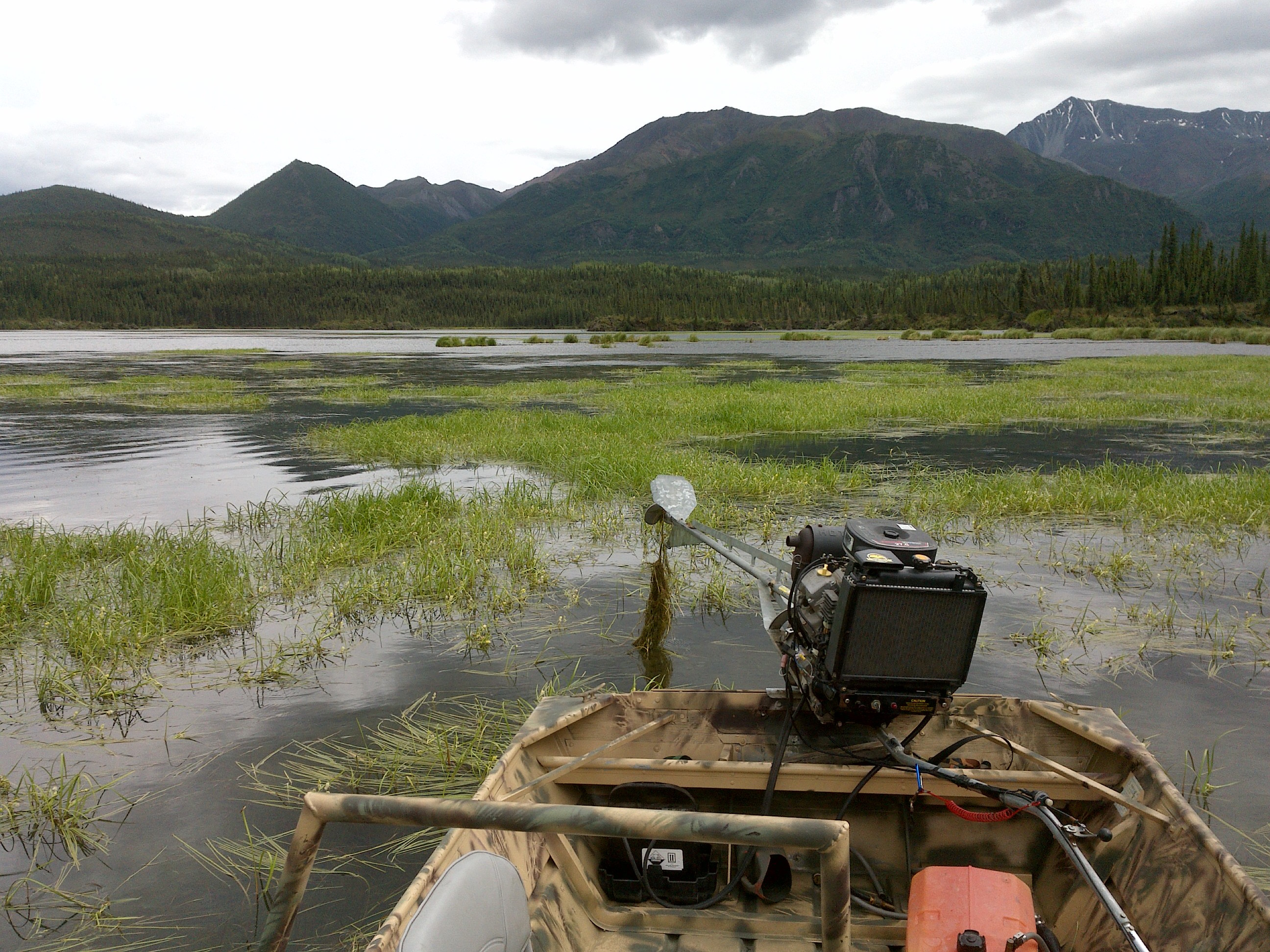
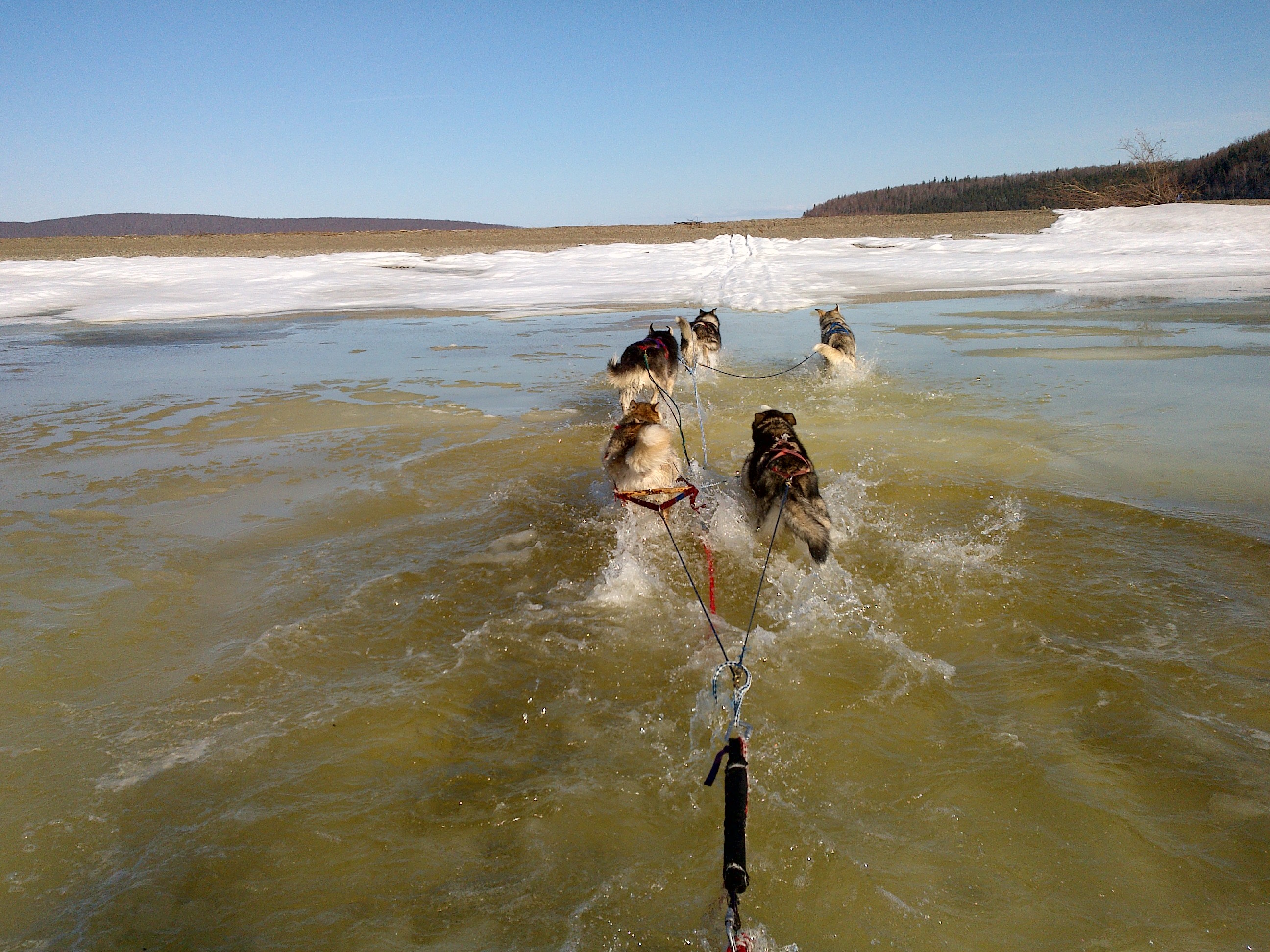
Measurements across latitudinal gradients, field experiments, and laboratory incubations all point to significant releases of CO2 and CH4 from soils that have been frozen or waterlogged since the last ice age. Over decadal time scales, this carbon release could overwhelm increased plant carbon uptake. In a warmer world, the boreal forest could be transformed into… Read more »










 " data-envira-height="225" data-envira-width="300" />