2021 LTER Synthesis Awards: Reproduction and Resilience

Two new synthesis working groups, awarded in 2021, capitalize on the intensive and extended record of observation at LTER sites to shed light on thorny ecological questions.

Two new synthesis working groups, awarded in 2021, capitalize on the intensive and extended record of observation at LTER sites to shed light on thorny ecological questions.

Credit: CAP-LTER. CC BY-SA 4.0 Anticipating the needs of cities in the future is a key aspect of urban sustainability. One approach to planning for sustainable cities is for researchers and practitioners to work together to develop scenarios that benefit communities as well as ecosystems. Central Arizona Phoenix LTER (CAP LTER) is taking an innovative approach… Read more »
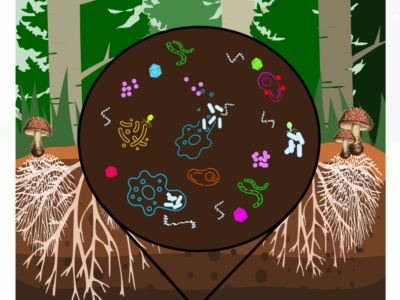
The LTER Network Office announces new synthesis project awards: A global synthesis of multi-year drought effects on terrestrial ecosystems; A multi-biome synthesis investigating the controls on river Si exports; and Ecological Metagenome-derived Reference Genomes and Traits (EMERGENT).

Soil carbon — which constitutes nearly 80% of the terrestrial carbon stock — is getting a lot of attention at the 2019 Fall Meeting of the American Geophysical Union (AGU). Ecological process ranging from microbial metabolism to homeowner landscape decisions impact the size and stability of the soil carbon pool — which in turn affects… Read more »
Credit: Jack Pearce via Flickr (CC BY-SA 2.0)Species that are abundant often go ignored by conservation planning until an acute threat to their populations emerge – and by then, sometimes it’s too late. According to a new article in the journal Ecosphere, common species are often critically important as structural, dominant, or foundation species in… Read more »
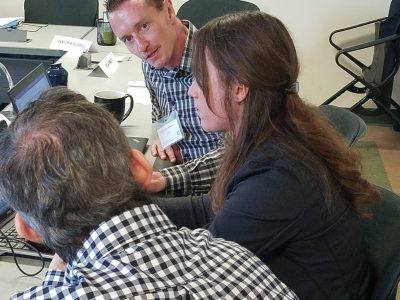
From the AIBS Public Policy Report: Credit: M. Downs/LTER-NCO. CC BY-SA 4.0.Reports abound from professional societies, the Academies, government agencies, and researchers calling attention to the fact that science is increasingly an interdisciplinary, transdisciplinary, inter-institutional, and international endeavor. In short, science has become a “team sport.” There is a real and present need to better… Read more »
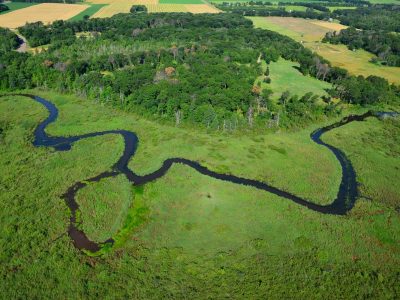
Plans We set out to answer the general question: How do metacommunity dynamics mediate community responses to disturbance across the ecosystems represented in the LTER network? Metacommunity theory provides a framework to predict when different types of community assembly processes should control the composition of the species pool both at local and regional scales. Thus,… Read more »

LTER presents two plenary talks, plus results from synthesis working groups.
Individual talks and posters are listed and cover topics as diverse as the ecology of segregation, connectivity in barrier island communities, and modeling complex landscapes using machine learning.
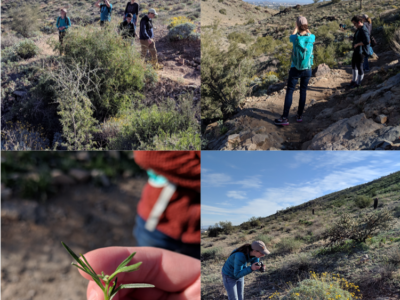
Students from the Central Arizona-Phoenix, Sevilleta, and Jornada LTER visit and present posters at the CAP LTER All Scientists Meeting.
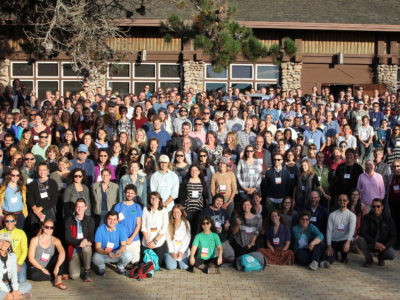
Sunshine, sand, and surf greeted participants of the 2018 LTER All Scientists’ Meeting as they arrived at Asilomar Conference Grounds in Pacific Grove, California. For four days, Asilomar was abuzz with the excitement of nearly 600 people sharing new scientific ideas and discussions. The theme of the 2018 meeting, Next Generation Synthesis: Successes and Strategies,… Read more »

The LTER Network Communications Office developed this monthly webinar series to keep investigators across the community apprised of new developments from the LTER synthesis groups. Webinars are hosted by the LTER Network Communications Office and the National Center for Ecological Analysis and Synthesis (NCEAS). Each of the speakers will discuss the opportunity they perceived to… Read more »