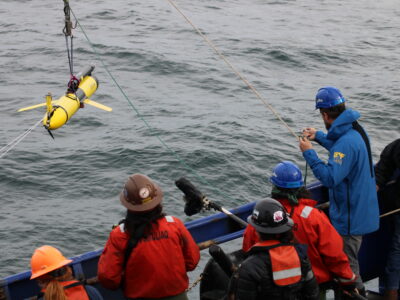
A common misconception is that an oceanographer’s field days exclusively involve diving in brightly colored coral reefs in crystal-clear waters.

Short Stories About Long Term Research is a blog created by graduate students involved in long term ecological research as a way to share our research experiences with each other and the public. This page contains new submissions and the full archive of the SSALTER blog, which started in 2016 and was previously hosted at ssalter.blog. We encourage all graduate students to submit writing about long term research to the blog. See the submission guidelines for instructions.
A common misconception is that an oceanographer’s field days exclusively involve diving in brightly colored coral reefs in crystal-clear waters.
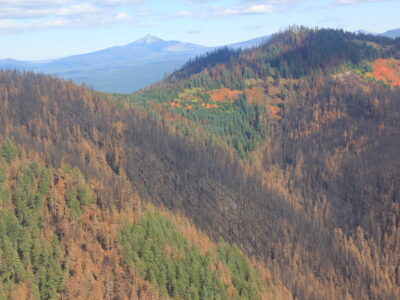
As wildfires continue to reshape forested landscapes across the western United States, understanding their impact on snowpack and hydrologic systems is increasingly important.
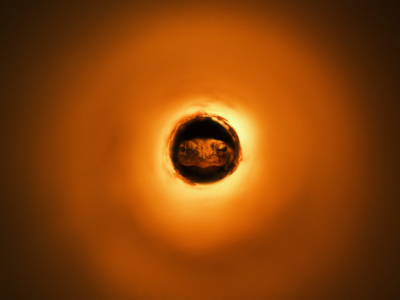
Sometimes, the best way to understand an ecosystem is simply to stop and listen.
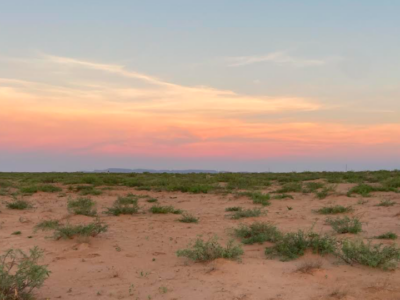
Although biocrusts are small and thin, there is so much to learn about these powerful microbial communities and the roles they play in desert ecosystems.
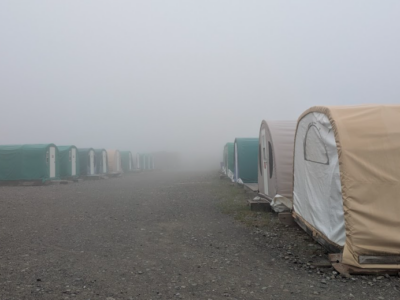
We are 158 miles north of the Arctic Circle, and the sun neither rises nor sets, but swings in an eternal, serene loop around the sky … it’s time to begin the great work of Science, which is something I’m still figuring out.
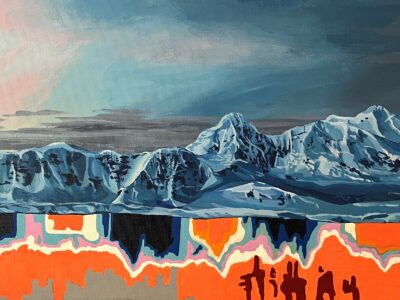
The painting is a nod to how the understanding of science is just as important to nature as its ethereal and timeless beauty.
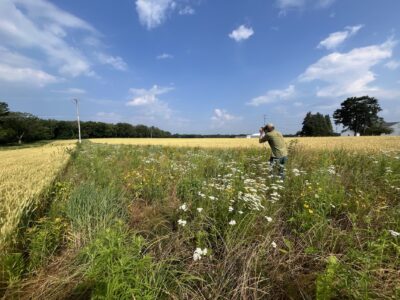
Rachel Drobnak describes the “functional groups” of people who make prairie strip ecology such an exciting and rewarding field to work in at Kellogg Biological Station
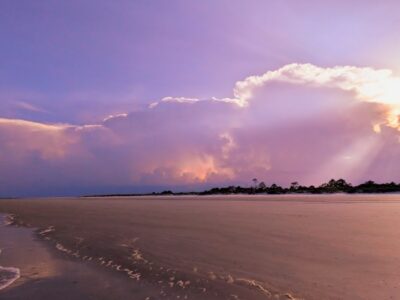
It is hard to put into words how exciting and simultaneously peaceful life is in this hidden corner of the world. The best we can hope to do is take you along for a regular day GCE LTER…make sure to slather yourself with sunscreen!
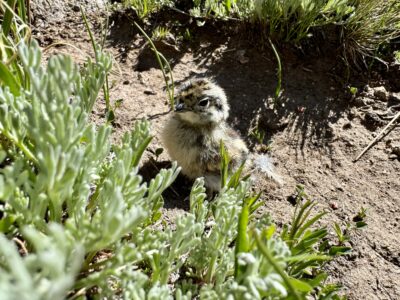
Marmots serve as a reminder to me to step back from this optimization-focused perspective and pay more attention to how organisms actually act than to how I think they should act.

Fairbanks, Alaska isn’t always the snow-covered tundra that most of us in the lower 48 would imagine. Eleanor Serocki covers a summer at the Bonanza Creek LTER.
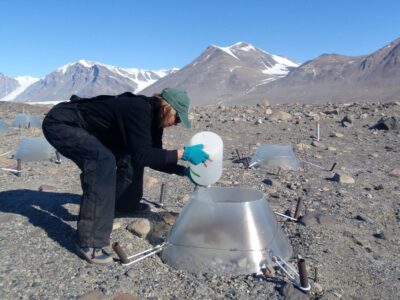
Our circumstances have changed a lot in the last six months, leaving many US scientists feeling uncertain about the future. But the practice of addressing and reacting to the new challenges is something ecologists are very used to.
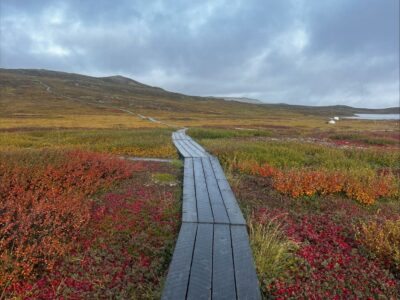
We spent nearly three months at Toolik Field Station studying processes in the Arctic tundra that range from individual fluorescence in leaves to tree growth north of the treeline!