
These tiny creatures are everywhere we turn, yet rarely do we pause to acknowledge their key role in our lives. DeShea Dillard explores flies.
Short Stories About Long Term Research is a blog created by graduate students involved in long term ecological research as a way to share our research experiences with each other and the public. This page contains new submissions and the full archive of the SSALTER blog, which started in 2016 and was previously hosted at ssalter.blog. We encourage all graduate students to submit writing about long term research to the blog. See the submission guidelines for instructions.
These tiny creatures are everywhere we turn, yet rarely do we pause to acknowledge their key role in our lives. DeShea Dillard explores flies.
This SSALTER blog is modified from the REU students’ weekly blog posts. Check out the fieldwork snippets they have done this summer!
today, it’s my pleasure to introduce you to some of the remarkable flora and fauna who call the Chihuahuan desert home—I hope you’ll meet their smug, elitist, shy, anxious selves in person one day.
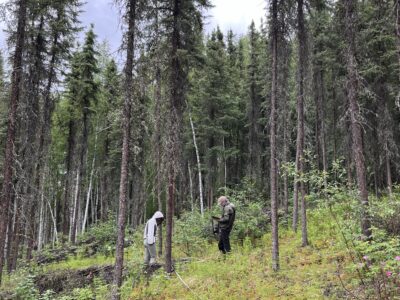
As I find myself in the dog days of an Alaskan summer – powerless to change my bug-infested situation – there is no choice but acceptance.
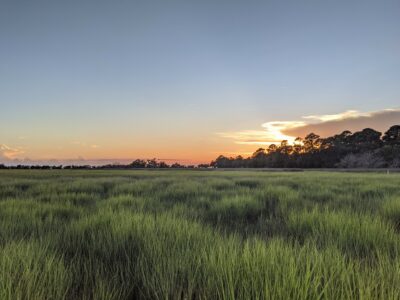
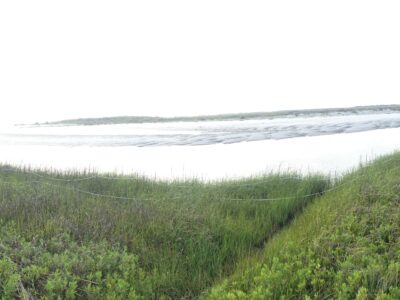
“We know that salt marsh plants face stressors like sea level rise, drought, and excess nutrient runoff. What is more difficult to predict is the localized response to these stressors,” writes Kyle Runion of his
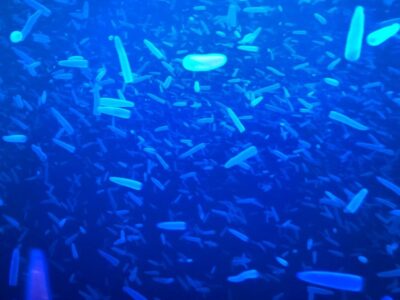
There are a multitude of reasons why gelatinous zooplankton pose an enticing scientific challenge. Dante Capone explores why the CCE LTER studies these creatures in a new SSALTER blog post.
Cole Doolittle studies how fires alter plant communities in the Pacific Northwest, and he talks about the impact of fires in this SSALTER blog.
Research from Dr. Robyn Zerebecki and collaborators demonstrates that intraspecific variation can have ecosystem-level consequences.
When the sun bakes me in the heat, when I find a tick crawling on my skin, when water has soaked the socks through my boots, when the tree branches whip my face, when equipment breaks, when I am staying up late labeling plastic bags, when I am waking up pre-dawn to take measurements, when I am feeling completely overwhelmed – I remind myself of my favorite things.
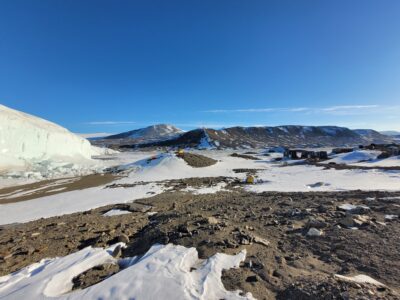
A warming climate, the COVID-19 pandemic, and the harsh conditions make research at the McMurdo Dry Valleys LTER site remarkably interesting!
Molly Fisher and James Guinnip pen this entry for the SSALTER Blog, describing stream research in the Konza prairie Ecosystem.
by Jannine Chamorro, Moorea Coral Reef LTER Last September I had the opportunity to participate in a project studying coral bleaching in Mo’orea, French Polynesia. This was the first time I had ever worked in a remote field location. While initially the thought of flying to a place I could not see on a map… Read more »