LTER at Ocean Sciences Meeting 2020

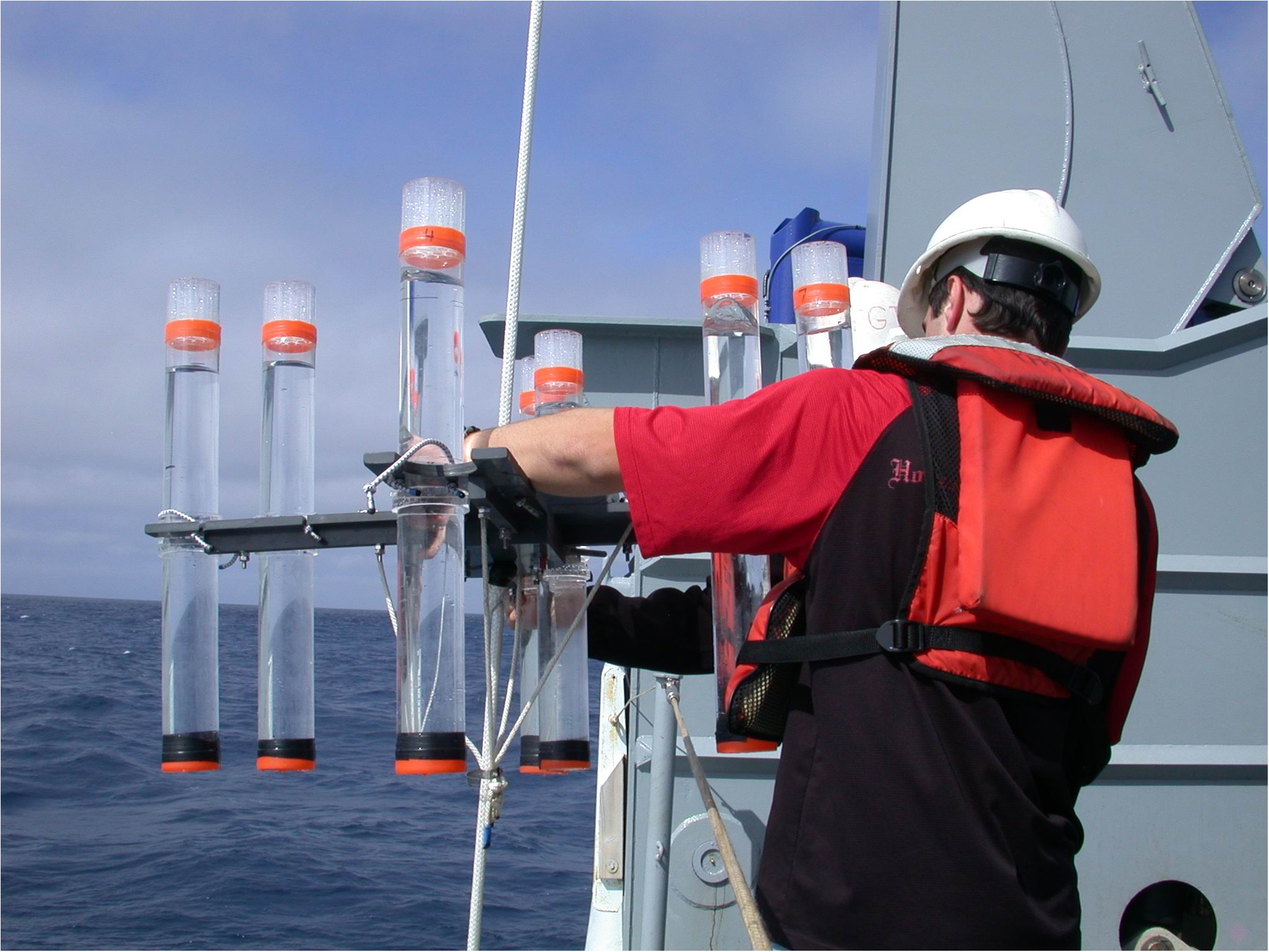
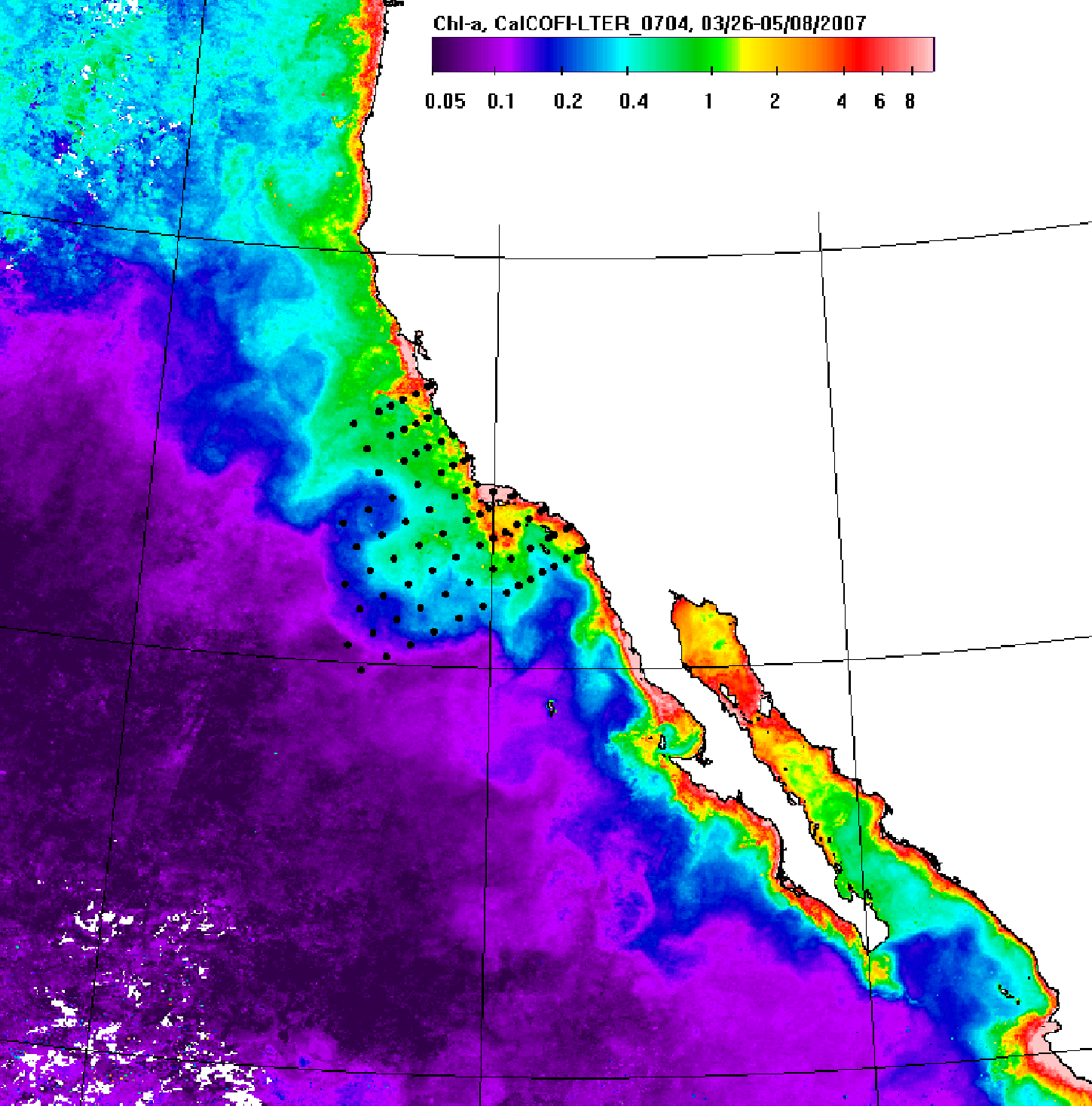
In 2017, the LTER Network saw the addition of three new marine and coastal sites. The new sites—Northeast U.S. Shelf (NES), Northern Gulf of Alaska (NGA) and Beaufort Lagoon Ecosystems (BLE)—are all well-represented among the 41 talks and posters presented by LTER researchers at the 2020 AGU Ocean Sciences Meeting. Presentations from these and other… Read more »
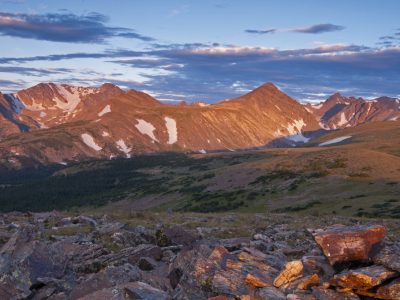
Cold, Dry, and Phosphorus Limited: microbial activity in nutrient poor habitats

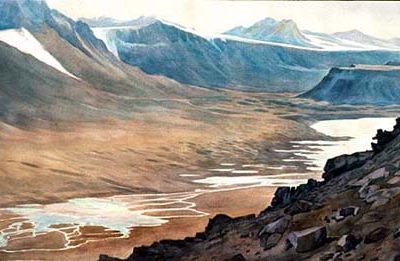
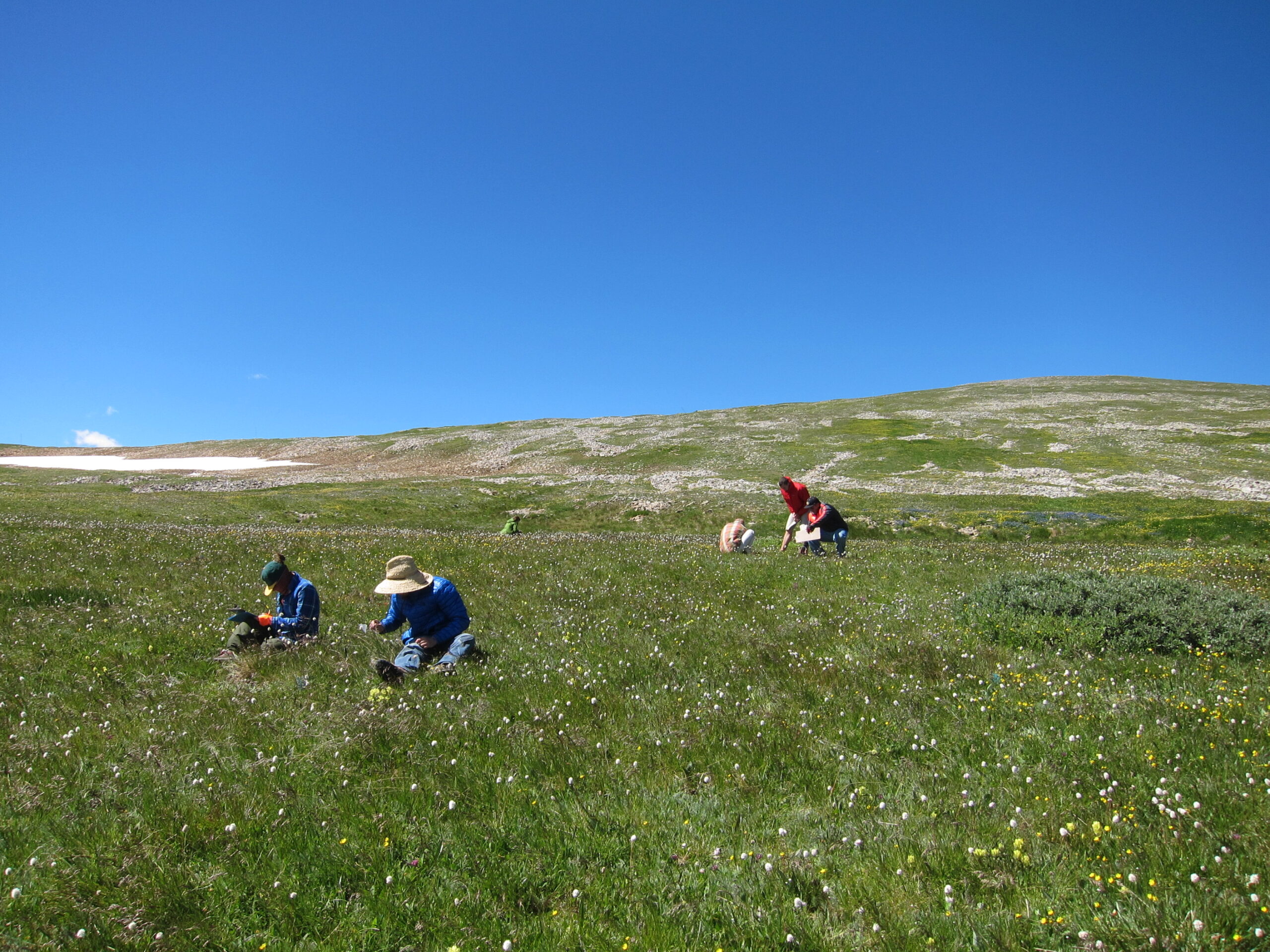
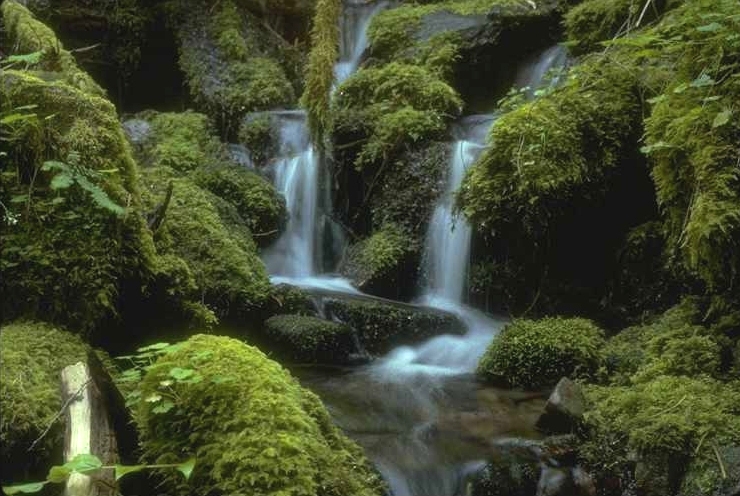
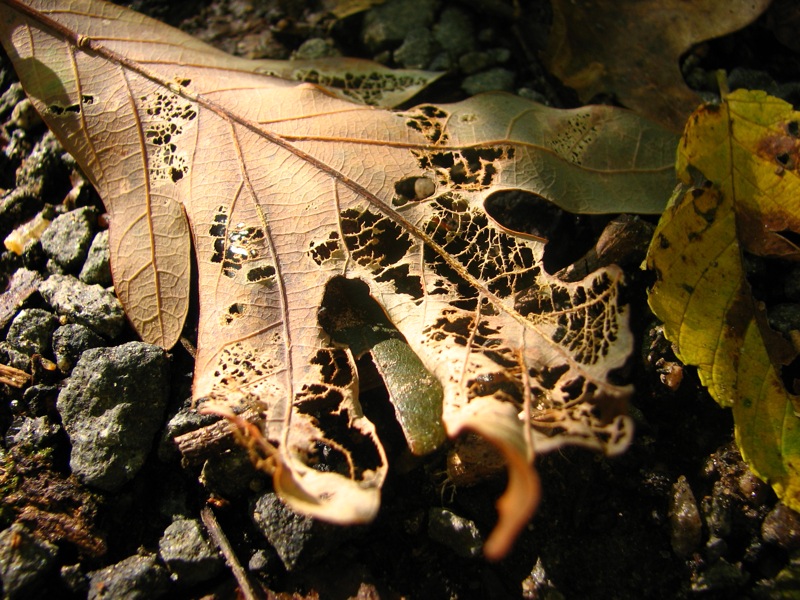
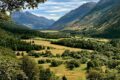
rocky, mountainous landscape

High elevation and high latitude ecosystems are particularly vulnerable to climate change impacts because they represent the upward range limits for organisms that are adapted to cold temperatures and low nutrient levels. Two of the biggest threats to high elevation communities are nutrient deposition (e.g. nitrogen) and climate warming. A new study by Bueno de… Read more »

Legacy carbon takes a hit as younger forest stands burn

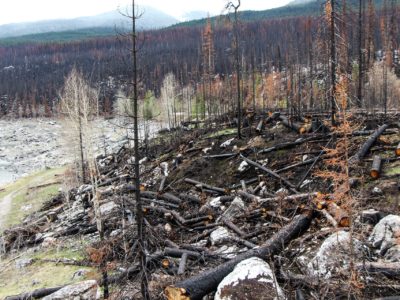
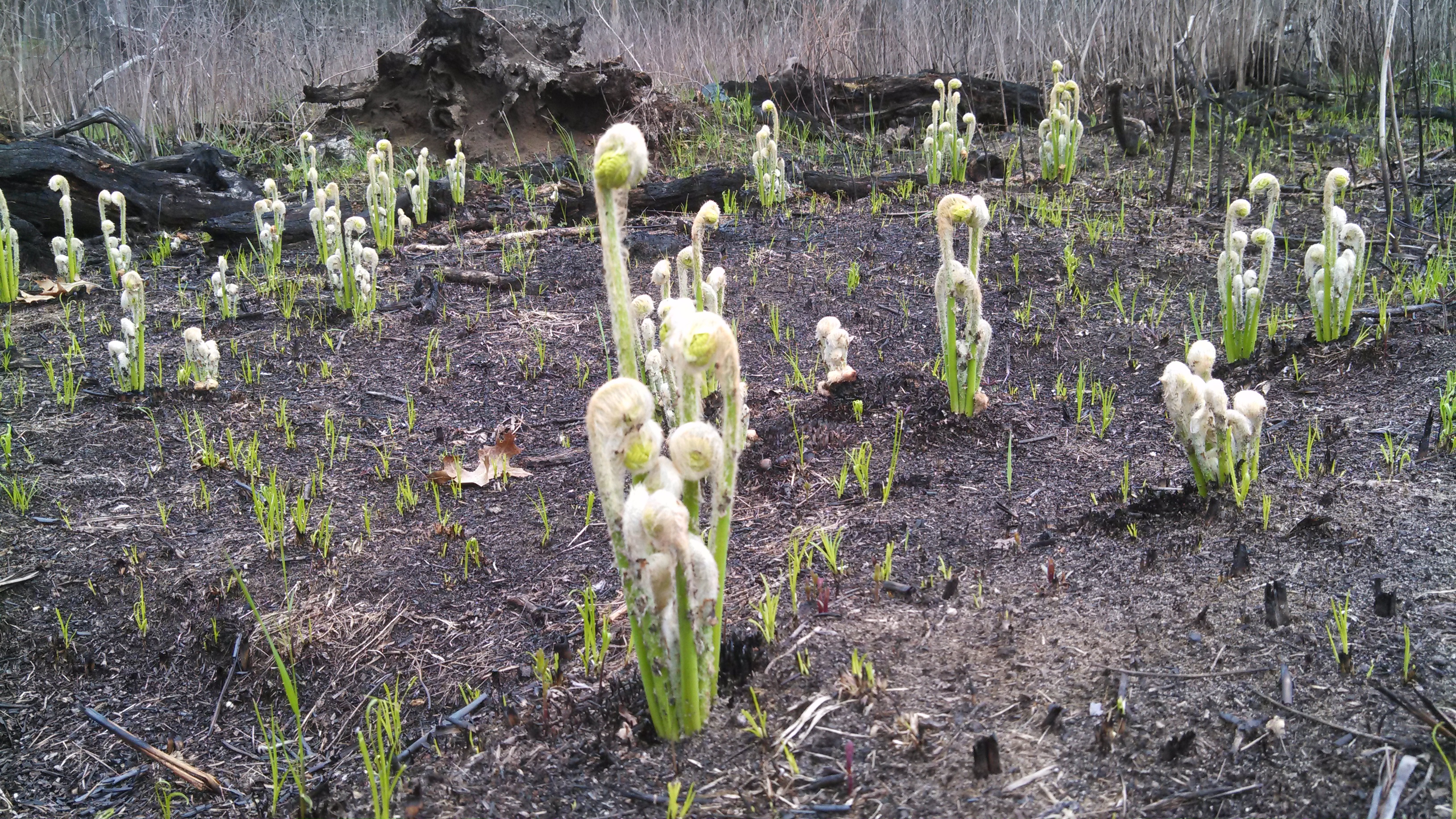
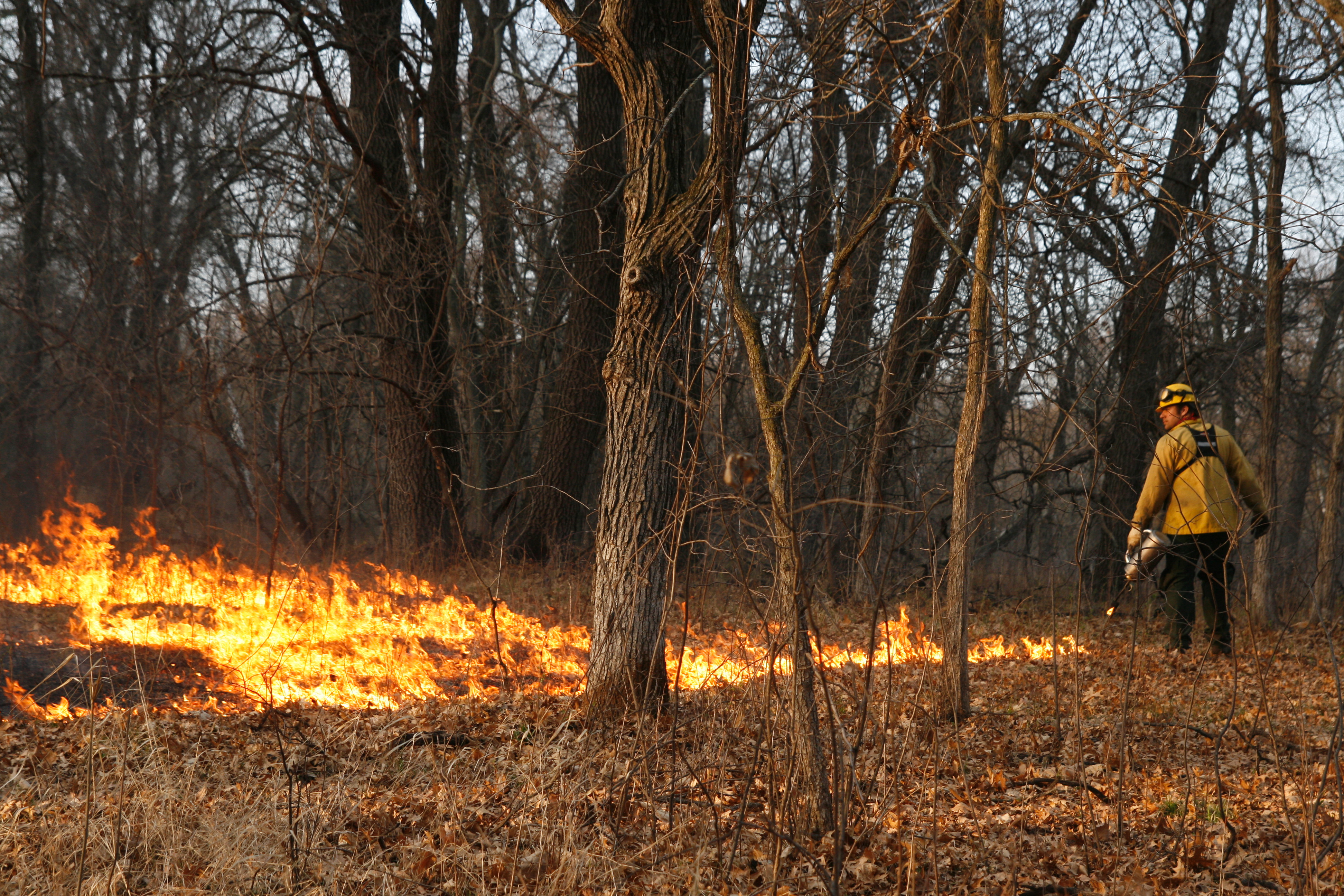
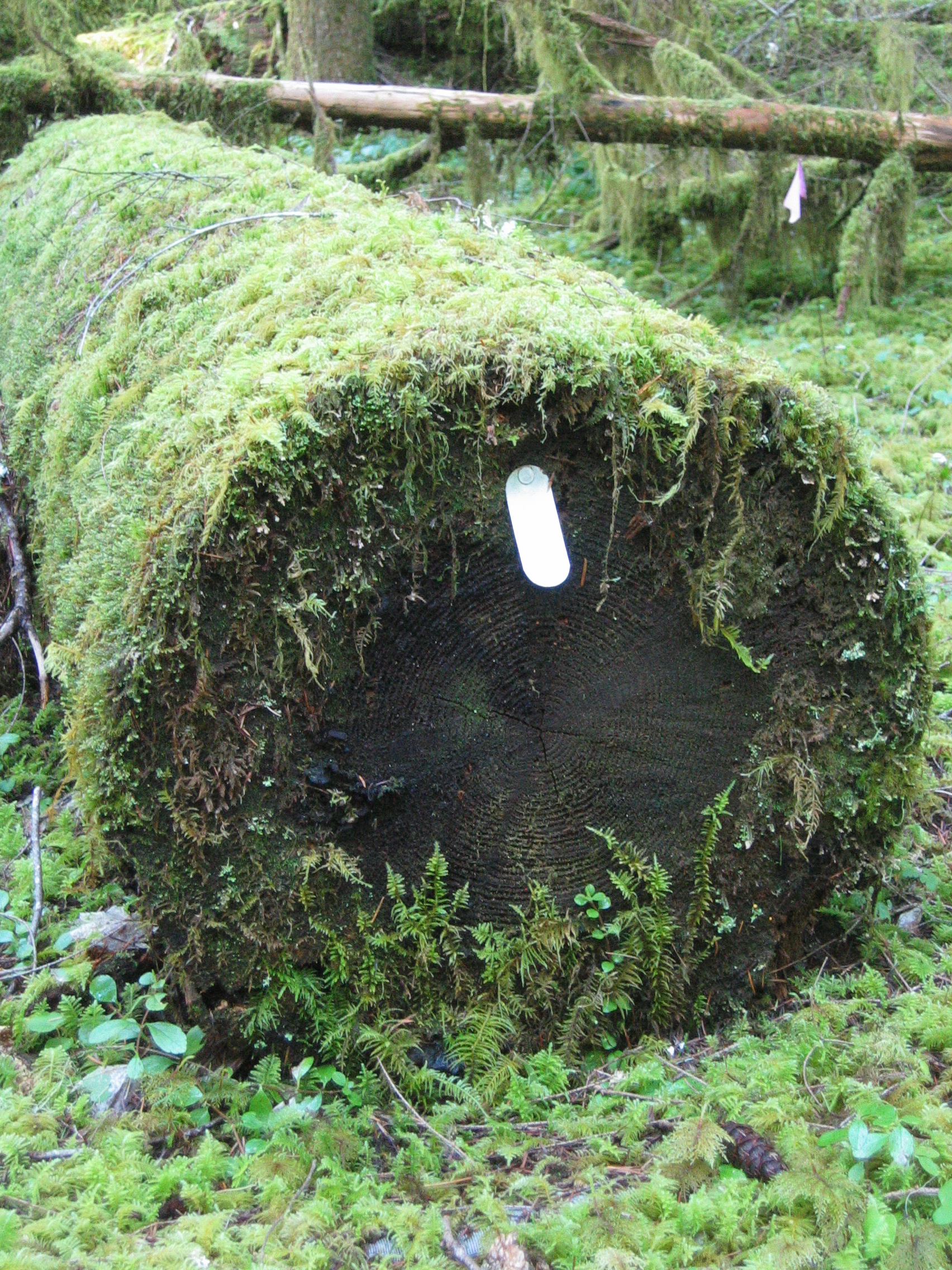
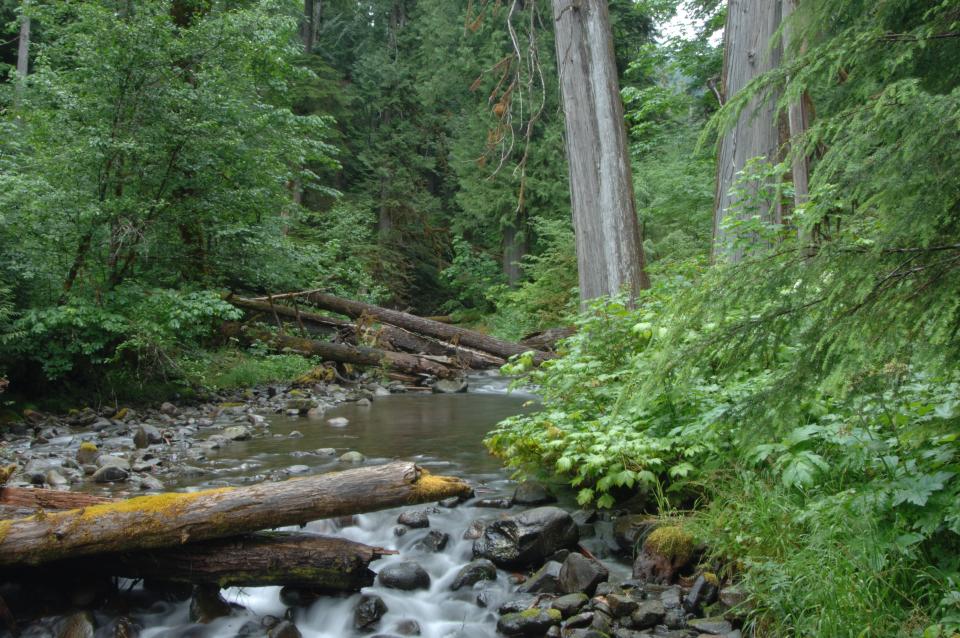
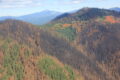
Aftermath of forest fire

In 2014, massive wildfires swept through the Northwest Territories of Canada, burning over two million hectares of boreal forest, as well as the highly organic soils on which they stood. Researchers with the Bonanza Creek LTER used this unplanned experiment to learn whether the carbon released from burned land had been recently deposited or if… Read more »

Can corals ride the tide of climate change?

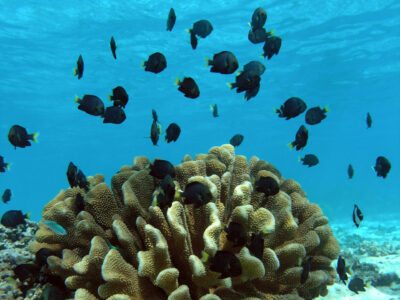
Damselfish and their coral host (Pocillopora eydouxi).

Researchers at Mo’orea LTER did not observe evidence that corals acclimatize to ocean acidification, but they did observe that some are more sensitive to it than others.

Environmental History of the McMurdo Dry Valleys (MCM)

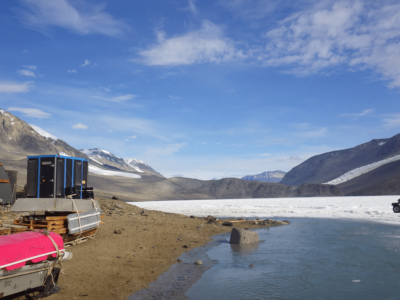
Lake Bonney Camp, Antarctica. Steve Chignell, 2016.

As part of their current project, researchers at MCM LTER are writing a detailed study on the environmental history of the McMurdo Dry Valleys. The monograph will be available online and published as a book with an academic press. For more information visit the McMurdo Dry Valleys History website.

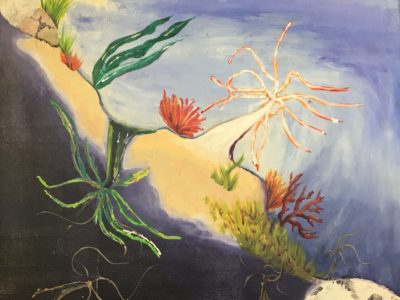
STEAM with Falmouth High School (NES)

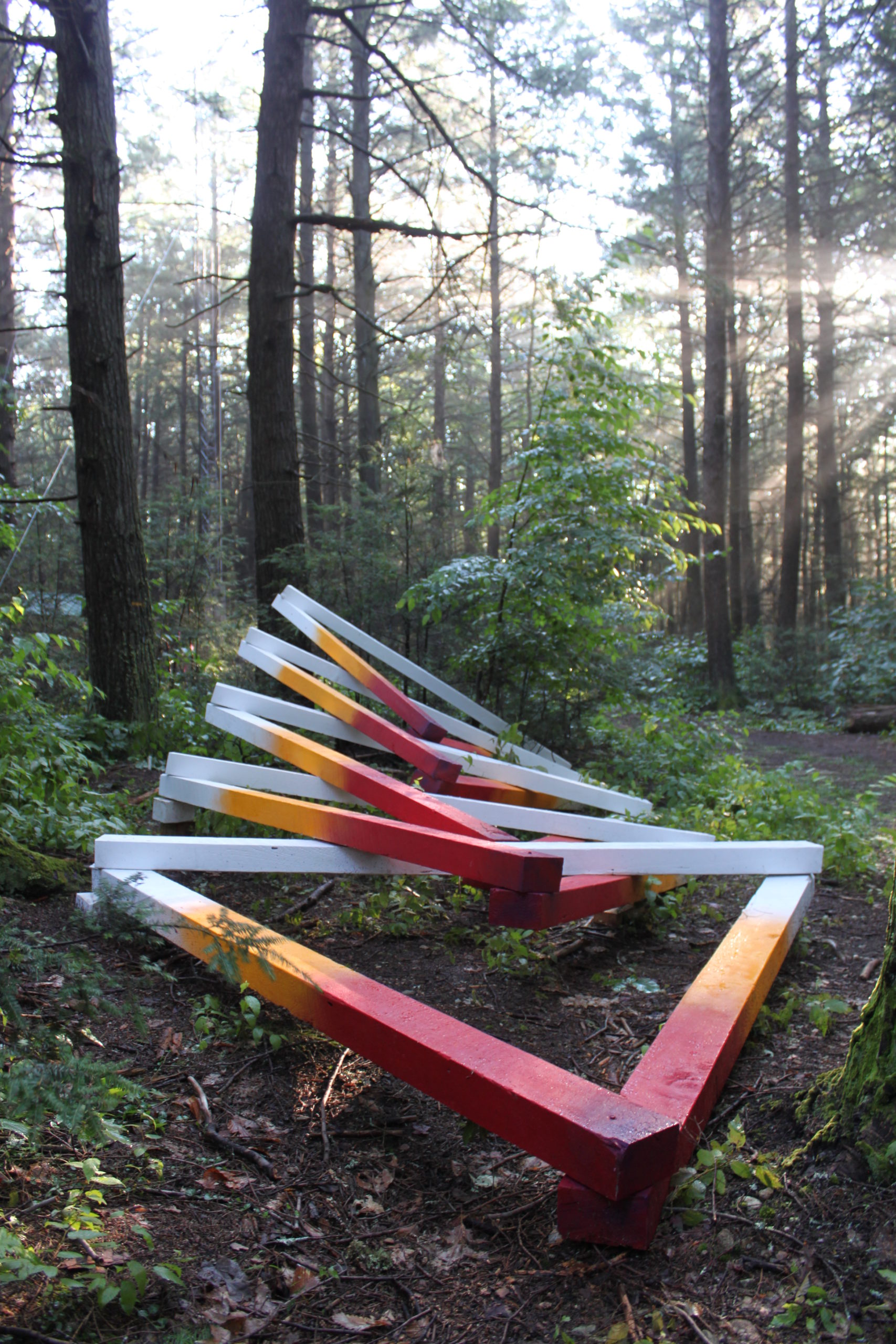
Ying Yang by Garret Bentley and Ness Uitti, 2018. Inspired by work at WHOI researcher Ann Tarrant's lab.

Several WHOI PIs have participated in the “STEAM” program with Falmouth High School art teacher Jane Baker. The STEAM educational movement advocates for the integration of Arts (“A”) into more traditional grouping of STEM disciplines (Science, Technology, Engineering and Mathematics). For more information, visit Ann Tarrant’s website. Project Status: Completed

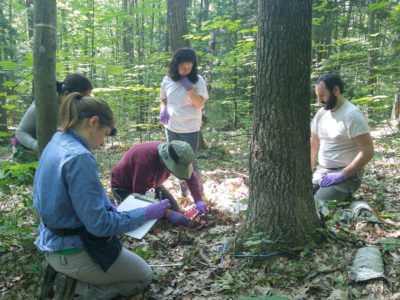
Q&A with Lauren Alteio: First isolation of giant virus genomes in soil from a forest ecosystem

Soil sample collection from the Harvard Forest in Petersham, Massachusetts.

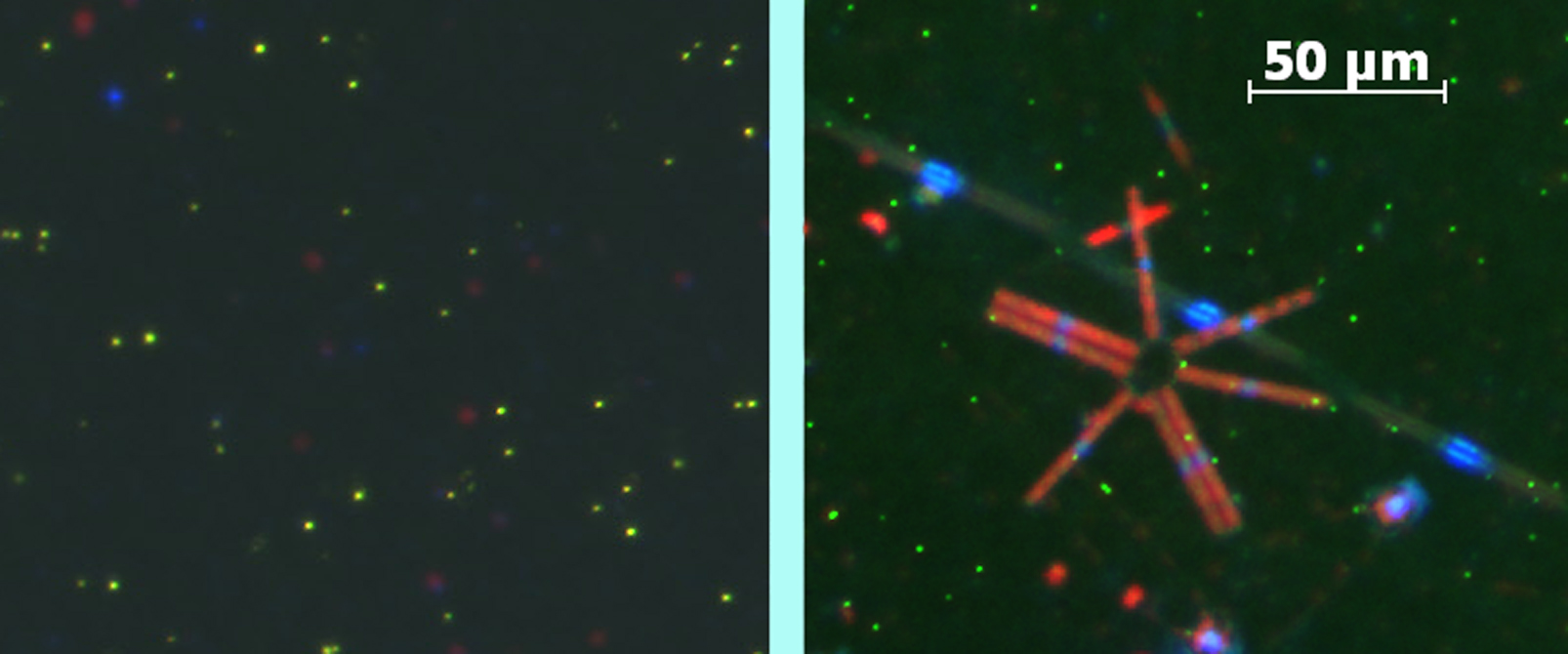
Researchers Frederik Schulz (US Department of Energy’s Joint Genome Institute) and Lauren Alteio (University of Massachusetts) have discovered sixteen new giant viruses in soil samples from a long-term research site at the Harvard Forest LTER, described in a Nature Communications paper published in November 2018. Giant viruses are larger than most single celled organisms, and tend… Read more »

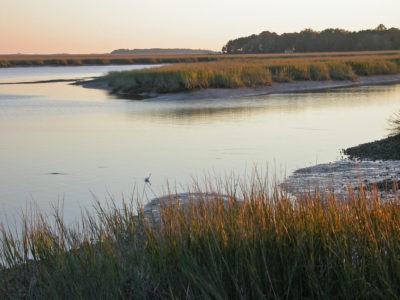
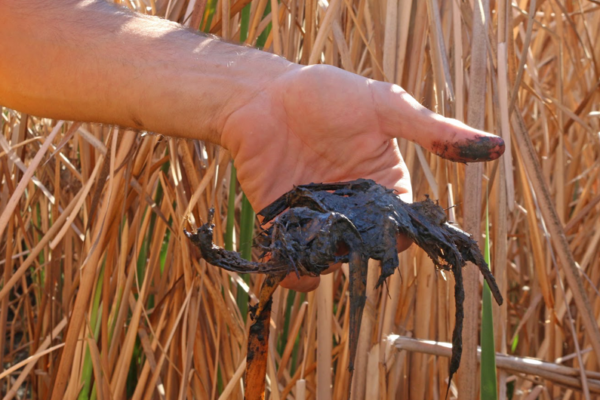
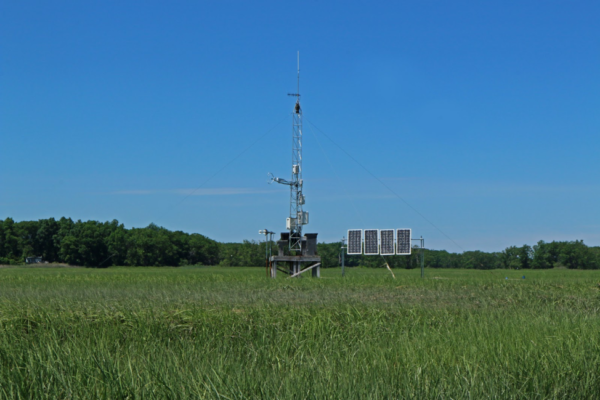
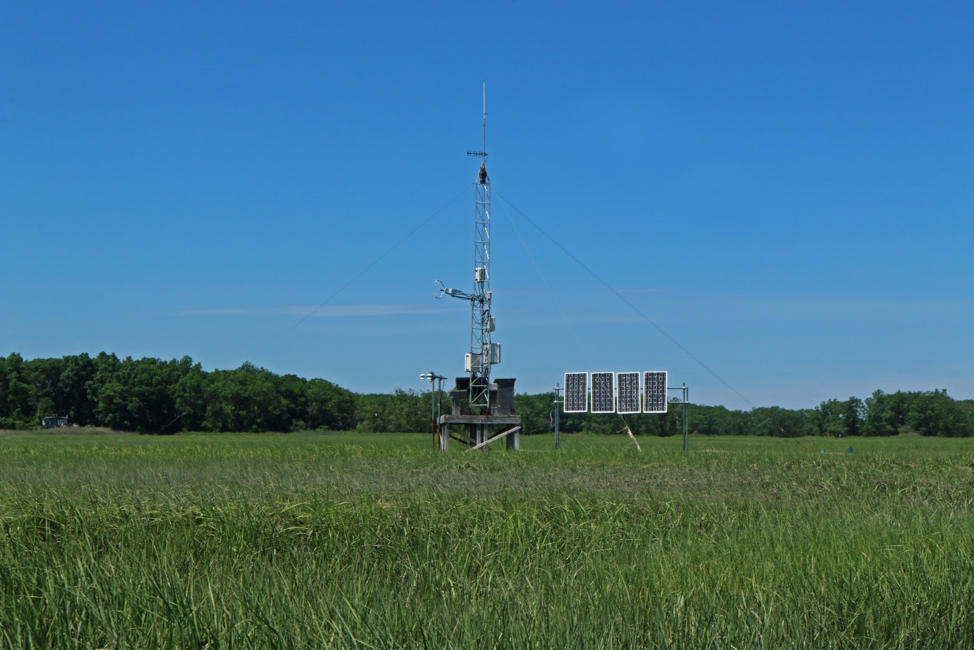
A Balancing Act for Coastal Freshwater Marshes

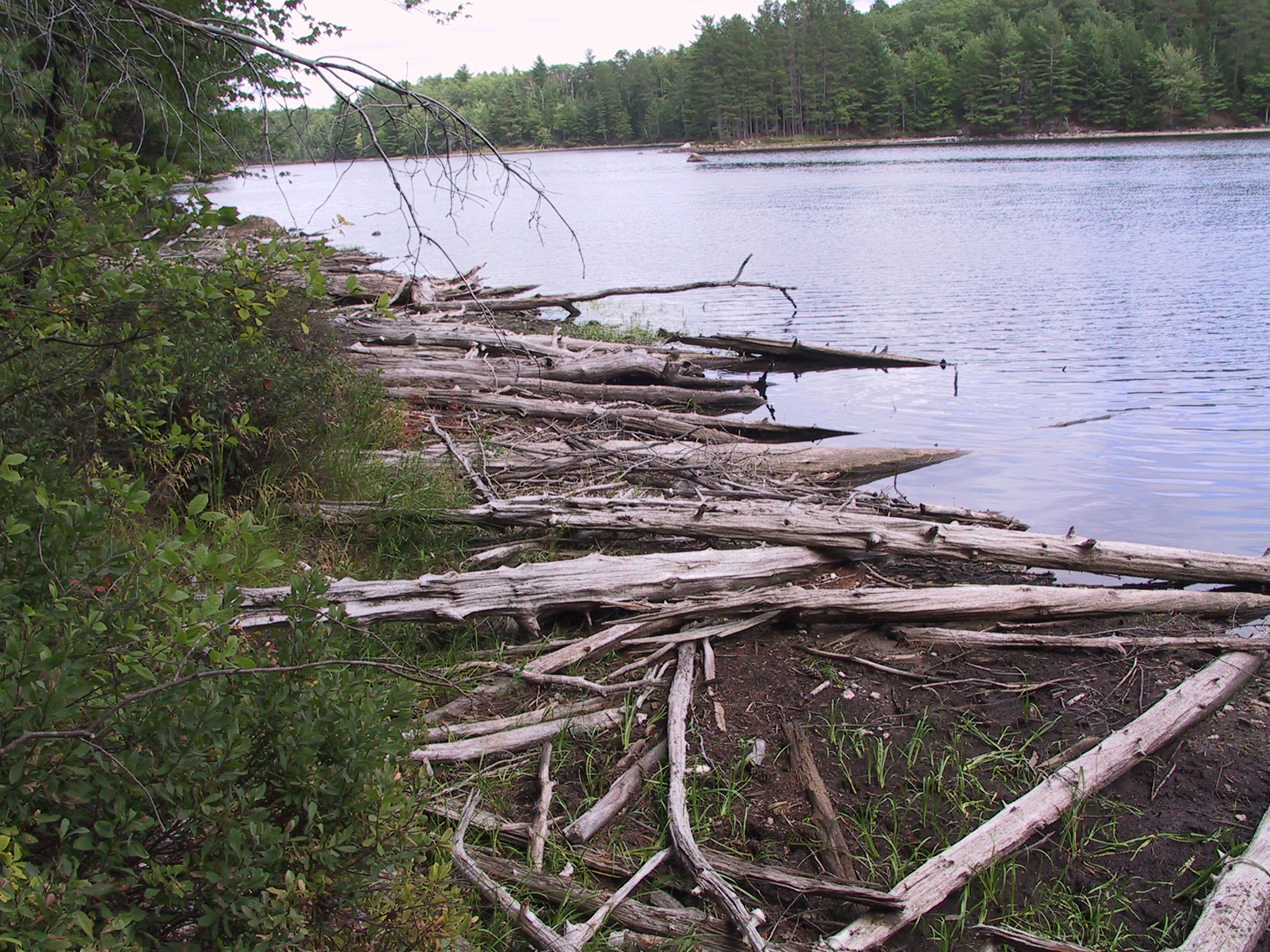
On the boundaries of fresh and saltwater systems, coastal marshes give rise to diverse, productive ecosystems that act as carbon sinks. Their secret? Freshwater marsh plants receive just the right amount of nutrients and salt from periodic seawater tides to thrive. However, incursions of saltwater into these systems are increasing —often caused by drought and… Read more »

Gallery