A Glimpse into the Future: How Land Use Decisions Will Impact Forest Function

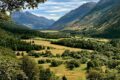
How can researchers project the ways in which land-use changes will affect ecosystem services when they don’t yet know what course development will take? Integrated scenario analysis models several possible trajectories to examine the interactive effects that land-use change could have on ecosystem structure and function.

Just How Does Nitrogen Drive Change in Plant Communities?

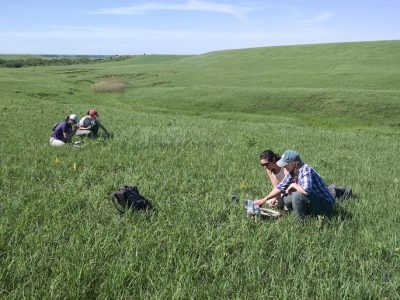
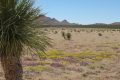
Nitrogen enrichment can dramatically change the existing environment for plants and typically leads to increased productivity, decresed diversity, and shifts plant community composition. But what mechanisms are responsible for these changes? Researchers designed a multi-site experiment to find out, experimentally manipulating each of three possible drivers across mesocosms of three ecosystem types (tall grass prairie, alpine tundra, and desert grassland).

Chronic Nitrogen Deposition Restructures Soil Fungal Communities

New analyses demonstrate that long-term nitrogen enrichment substantially changes the community composition of soil fungi in a temperate hardwood forest. The mix of fungal taxa that emerges appears to be better able to tolerate high nitrogen but less able to break down the lignin in organic matter, which contributes to an overall accumulation of soil carbon.

Art and Humanities LTER Programs Build Empathy for Nature

Winged dancer leaps over a field of milkweed

Do arts and humanities programs at LTER sites further the Network’s mission? Recent research posits that art-humanities-science collaborations generate empathy – and associated emotions like inspiration, awe, and wonder – for the natural world. This empathy then drives society to engage with and care more broadly about nature.