Seasonal change in Alaska may hold silver lining for restoration efforts
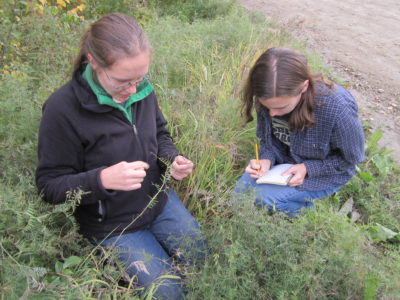
Inspired by several citizen science projects, a team from Bonanza Creek LTER studied how changes to season lengths in Interior Alaska affected native and non-native species.

Inspired by several citizen science projects, a team from Bonanza Creek LTER studied how changes to season lengths in Interior Alaska affected native and non-native species.
LTER presents two plenary talks, plus results from synthesis working groups.
Individual talks and posters are listed and cover topics as diverse as the ecology of segregation, connectivity in barrier island communities, and modeling complex landscapes using machine learning.
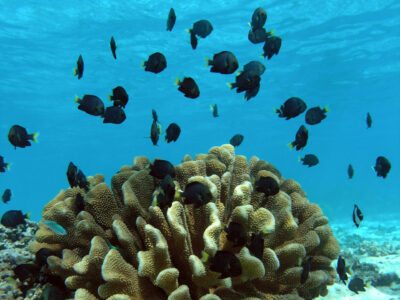
Researchers at Mo’orea LTER did not observe evidence that corals acclimatize to ocean acidification, but they did observe that some are more sensitive to it than others.

[vc_row][vc_column][vc_column_text]The organized oral sessions below are being convened at the American Geophysical Union (AGU) Meeting 9-13 December by LTER investigators and students. Abstract submissions are open until midnight EDT 31 July, 2019. Want to add a session to the list? Contact Marty Downs, downs@nceas.ucsb.edu.[/vc_column_text][vc_tta_accordion style=”modern” color=”peacoc” active_section=”1″][vc_tta_section title=”Workshop: Metrics that Make a Difference: How to… Read more »
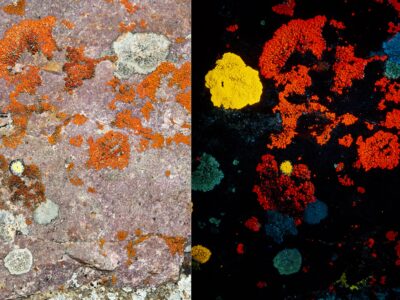
Santa Neimane takes us through research in the Alps, part of a series of SSALTER blog posts from international long-term researchers!

The community of LTER Information managers publishes the DataBits Newsletter approximately twice a year, with updates on information activities at sites and deep dives into topics of interest to LTER and other Environmental Information Managers. In the Summer 2019 issue, Site Bytes makes a triumphant return after a long absence. There is also plenty of… Read more »
LTER Network News is a forum for sharing news and activities from across the LTER Network. This is our water cooler. If you have personnel changes, new grants, cross-Network activities that might interest your LTER colleagues, please send them along to weiss@nceas.lternet.edu.
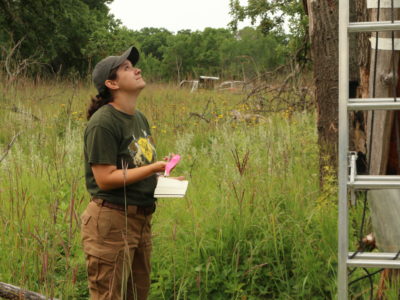
Informal Science (formerly the Center for the Advancement of Informal Science Education) has released a new toolkit: Broadening Perspectives on Broadening Participation in STEM. Key practice briefs, such as these on Cultural Norms of STEM and Modeling Workplace Inclusion serve as discussion-starters for identifying the issues and solutions for each site. Find information on this and many other resources for increasing… Read more »
A full slate for the Summer 2019 Databits! Site Bytes makes a triumphant return after a long absence. There is also plenty of information on new initiatives, including upgrades to PASTA, Best Practices for using Zotero to manage bibliographic data, development of a core metabase for metadata management, a chance to catch up on a… Read more »
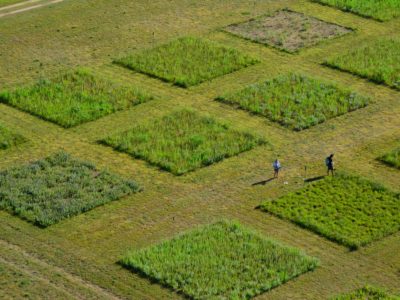
Farmers have known for centuries that fertilizer and irrigation help boost crop growth. But how does long-term application of fertilizer and water affect the composition of surrounding plant communities? In a study based at the Cedar Creek LTER, early signs suggest that added water and nutrients support the survival of new species and encourage more… Read more »
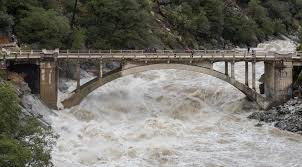
Fires and floods are becoming all too common for coastal Southern California residents — but are these ‘extreme’ events likely to become even more frequent? Answering this question requires a comprehensive understanding of precipitation patterns in the region and how they are likely to change in the coming decades. Most previous research on climate change… Read more »
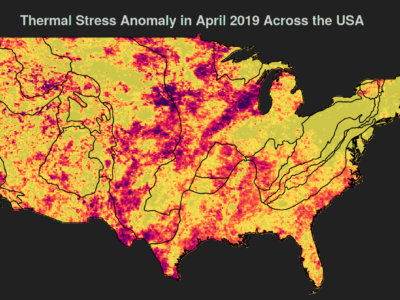
Researchers from Coweeta LTER are changing the way we monitor drought by showing that indicators of drought can be monitored at large spatial scales and in near real-time.