LTER Network News | April 2020
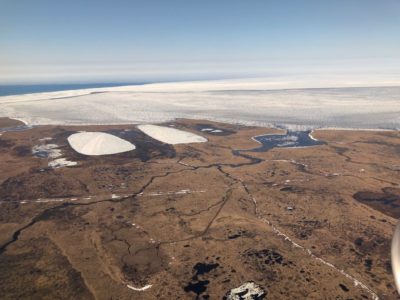
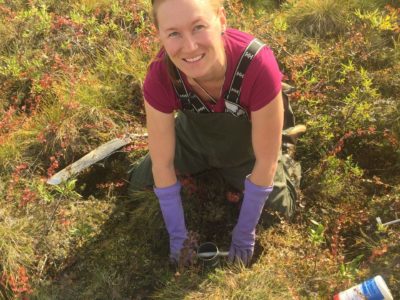
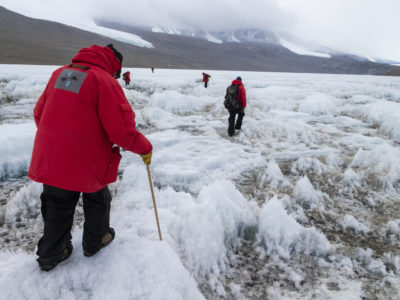
We’ve appreciated the many landscape images posted by LTER sites over the past month to remind us of the beauty and diversity of our field sites waiting for us when we can return to our regular field research.
Many ecologists are now faced with a choice: continue field measurements and manipulations or halt them voluntarily and accept the cost to their science and sometimes their budgets. the LTER Network Office offers some considerations for those faced with this difficult decision.
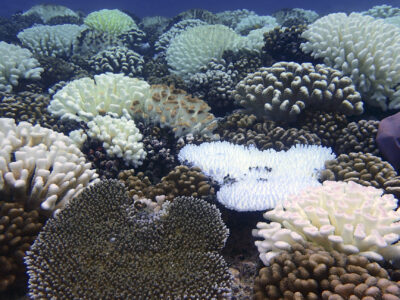
As anthropogenic carbon dioxide emissions continue to increase, scientists have now recognized seagrass meadows—which typically have high rates of carbon storage—as important ‘blue carbon’ sinks. However, rising ocean temperatures threaten seagrass meadows, along with their ability to retain carbon. This underlines the need for precise ecosystem data on the vulnerability and resilience of these meadows… Read more »
A recent analysis of collaboration in the LTER Network reveals that LTER-related publications involve more collaborators, more institutions, persist for longer, and cover greater distances than other publications in the field of ecology.
Many scientists have pivotal experiences during their undergraduate education that lead them to choose a career in science, such as opportunities to conduct hands-on research or work closely with mentors. Unfortunately, it’s a challenge to measure the direct impact these foundational experiences have on participants. In a new paper, however, researchers from Harvard Forest LTER… Read more »
Credit: CAP-LTER. CC BY-SA 4.0 Anticipating the needs of cities in the future is a key aspect of urban sustainability. One approach to planning for sustainable cities is for researchers and practitioners to work together to develop scenarios that benefit communities as well as ecosystems. Central Arizona Phoenix LTER (CAP LTER) is taking an innovative approach… Read more »
A new section where we feature some of the eye-catching Tweets and photos from around the LTER network over the past month. Be sure to tag us at @USLTER for a chance to be featured in future newsletters! Credit: Mike GooseffCredit: Tricia Thibodeau
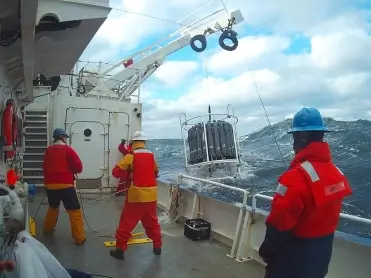
In 2017, the LTER Network saw the addition of three new marine and coastal sites. The new sites—Northeast U.S. Shelf (NES), Northern Gulf of Alaska (NGA) and Beaufort Lagoon Ecosystems (BLE)—are all well-represented among the 41 talks and posters presented by LTER researchers at the 2020 AGU Ocean Sciences Meeting. Presentations from these and other… Read more »
The LTER Network Office announces new synthesis project awards: A global synthesis of multi-year drought effects on terrestrial ecosystems; A multi-biome synthesis investigating the controls on river Si exports; and Ecological Metagenome-derived Reference Genomes and Traits (EMERGENT).
High elevation and high latitude ecosystems are particularly vulnerable to climate change impacts because they represent the upward range limits for organisms that are adapted to cold temperatures and low nutrient levels. Two of the biggest threats to high elevation communities are nutrient deposition (e.g. nitrogen) and climate warming. A new study by Bueno de… Read more »